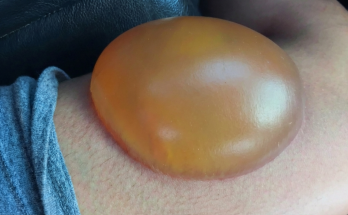
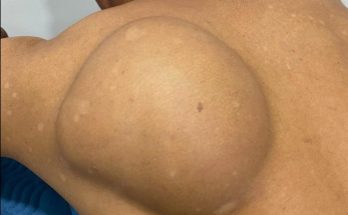
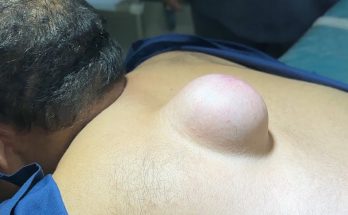
A burn blister is a small pocket of fluid that forms on the skin after it has been exposed to extreme heat. These blisters can appear after touching something hot, being in the sun too long, or coming into contact with chemicals or steam. While burn blisters can look alarming, they actually serve an important purpose in the body’s healing process. Understanding why burn blisters form and how to care for them can help you recover safely and avoid complications.
1. What Is a Burn Blister?
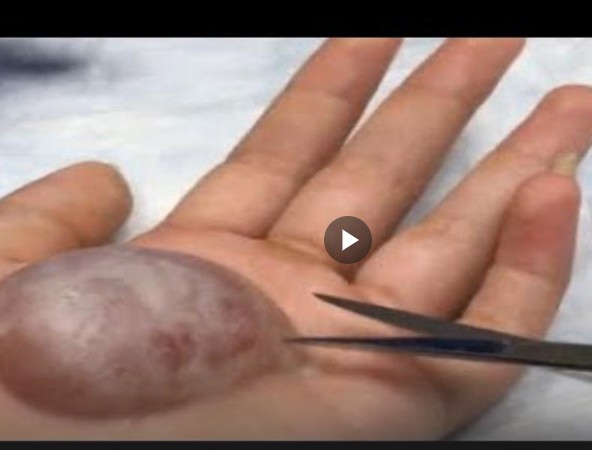
A burn blister develops when the upper layer of skin (the epidermis) separates from the lower layers due to heat damage. The body reacts by sending fluid—mainly plasma and water—to the damaged area. This fluid fills the gap between the skin layers, creating a bubble-like blister. The blister acts as a natural bandage, protecting the sensitive tissue underneath from bacteria, friction, and further injury while the skin heals.
2. Causes of Burn Blisters
Burn blisters usually form after a second-degree burn, which affects both the outer and underlying layers of skin. Some common causes include:
-
Direct contact with heat: Touching a hot stove, iron, or boiling water can immediately cause a blister.
-
Sunburn: Prolonged exposure to strong sunlight or tanning beds can damage skin cells and cause blisters to appear a few hours after the burn.
-
Steam or hot liquids: Steam burns are especially painful and can quickly lead to blistering because the moisture conducts heat more efficiently.
-
Chemical burns: Harsh chemicals such as acids or cleaning agents can destroy skin tissue and cause blister formation.
-
Friction burns: Repeated rubbing or friction, especially on sensitive skin, may also lead to small burn-like blisters.

3. The Body’s Healing Response
When the skin is burned, the body immediately triggers an inflammatory response. Blood vessels widen to increase circulation and send immune cells to repair the damaged tissue. The fluid inside the blister cushions the injured skin and keeps it moist, which promotes faster healing. It also prevents dirt and bacteria from entering the wound. That’s why doctors usually advise against popping burn blisters—breaking them too early removes the body’s natural protection and increases infection risk.
4. How to Care for a Burn Blister
Proper care is crucial to prevent infection and promote healing. Here’s what you should do:
-
Cool the burn immediately: Hold the burned area under cool (not cold) running water for 10–15 minutes to reduce heat and swelling.
-
Clean gently: Wash with mild soap and water, but do not scrub the blister.
-
Cover lightly: Apply a sterile, non-stick bandage or gauze to protect the area. Avoid tight or sticky bandages that could irritate the skin.
-
Do not pop the blister: If it bursts accidentally, clean the area with antiseptic and re-cover it with a clean dressing.
-
Moisturize: Once healing starts, use a gentle, fragrance-free moisturizer or aloe vera gel to keep the skin hydrated.
5. When to See a Doctor
While small burn blisters usually heal within one to two weeks, you should seek medical attention if:
-
The blister is very large or painful.
-
There are signs of infection (redness, pus, swelling, or fever).
-
The burn affects the face, hands, feet, or genitals.
-
The burn was caused by chemicals or electricity.
Conclusion
Burn blisters are a natural defense mechanism that helps the skin heal from moderate burns. They form when heat damages skin layers, causing fluid to collect under the surface. While they may be uncomfortable, it’s important not to pop them and to keep the area clean and protected. With gentle care and patience, most burn blisters heal smoothly, leaving little to no scarring.