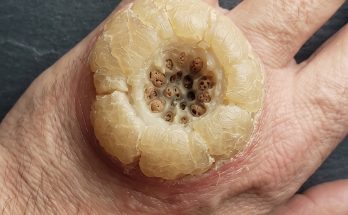
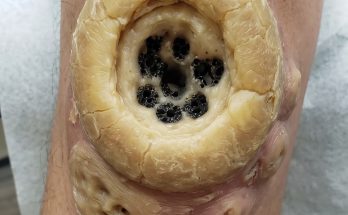
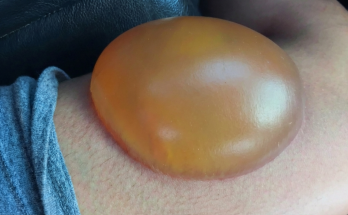
An infected giant sebaceous cyst is a painful and uncomfortable skin condition that occurs when a normally harmless cyst becomes inflamed and filled with pus. Sebaceous cysts form when the sebaceous glands, which produce natural oils to moisturize the skin, become blocked. Over time, this blockage traps oil, dead skin cells, and keratin beneath the surface, creating a soft lump. While most sebaceous cysts are small and painless, they can grow larger due to repeated irritation, pressure, or infection. When bacteria enter the cyst, it can rapidly become swollen, red, and extremely tender.
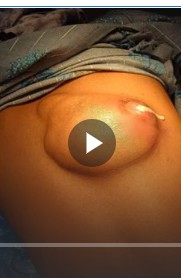

The cause of infection usually begins with a small break in the skin that allows bacteria, often Staphylococcus aureus, to enter the cyst. This can happen from squeezing the cyst, shaving, friction from clothing, or trauma to the area. Once bacteria invade the trapped contents, the cyst begins to fill with pus, leading to pressure, throbbing pain, and sometimes a foul smell. Large infected cysts are particularly dangerous because they may form abscesses or spread infection to nearby tissues if not treated promptly.
The symptoms of an infected giant sebaceous cyst are easy to recognize. The area becomes visibly enlarged, warm, and reddened. The skin may look shiny or stretched, and pus may appear near the surface. Pain increases when the cyst is touched or when the person moves. In severe cases, fever or fatigue may develop, indicating that the infection is spreading. Because of their size, giant cysts can interfere with daily activities, especially when located on the back, neck, thigh, or face.
Proper treatment is essential to prevent complications. Trying to pop or squeeze an infected giant cyst at home is extremely risky. The pressure can push bacteria deeper into the skin, causing a more serious infection. Instead, medical professionals usually perform a procedure called incision and drainage (I&D). During this treatment, the doctor cleans the area, makes a small cut to open the cyst, and gently drains the pus. Once emptied, the cavity may be cleaned and packed with sterile gauze to ensure proper healing. Antibiotics may also be prescribed to stop the infection.
In some cases, once the infection is gone, the doctor may recommend surgically removing the cyst wall or sac. This is important because simply draining the cyst does not remove the root cause. If the sac remains, the cyst can grow back again in the same place. Surgical removal prevents recurrence and keeps the skin smooth and healthy.
To prevent sebaceous cysts from becoming infected, good skin hygiene is important. Avoid squeezing or picking at lumps, keep the skin clean, and reduce friction by wearing soft, breathable clothing. People who frequently develop cysts should consult a dermatologist to find underlying causes such as oily skin, hormonal imbalance, or genetic factors.
In conclusion, an infected giant sebaceous cyst is a painful but treatable condition. With proper medical care, drainage, and follow-up treatment, most people recover quickly. Early attention, good hygiene, and professional removal of the cyst sac are the best ways to prevent future infections and ensure healthy skin.