Huge Abscess on the Upper Back
A huge abscess on the upper back is a serious and often painful condition that requires prompt attention. An abscess occurs when bacteria enter the skin and cause a localized infection, leading to a pocket of pus forming beneath the surface. When the abscess becomes large, it can cause significant discomfort, swelling, redness, and even fever. The upper back is a common location for abscesses because of sweat, friction, and difficulty keeping the area clean. Understanding the causes, symptoms, and treatment options is essential for managing this condition safely.
Causes of a Huge Upper Back Abscess
The most common cause of an abscess is bacterial infection, particularly Staphylococcus aureus. This bacteria can enter the skin through small cuts, ingrown hairs, cysts, or clogged pores. When the body detects the infection, the immune system sends white blood cells to the area. As these cells fight the bacteria, they form pus—a thick fluid made of dead cells, bacteria, and tissue debris.
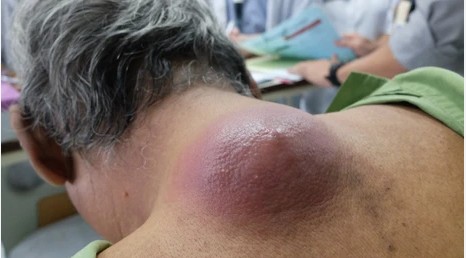
Abscesses can grow larger if left untreated or irritated through friction from clothing, backpacks, or sweat buildup. People who have oily skin, acne, sebaceous cysts, or weakened immune systems are at higher risk. Poor hygiene, constant pressure on the upper back, or untreated skin infections can also contribute to abscess formation.
Symptoms of a Large Abscess
A huge abscess on the upper back is usually easy to identify. The most common symptoms include:
- A swollen, painful lump
- Redness and warmth around the area
- Thick, yellow or white pus
- Throbbing or pressure-like pain
- Tenderness when touched
- Fever or chills (in severe cases)
As the abscess grows, the skin over it may appear stretched or shiny. Some abscesses may even start to drain automatically if the skin breaks open, releasing foul-smelling pus.
Treatment Options
Large abscesses should not be popped or squeezed at home. Doing so can push the infection deeper into the tissues and cause serious complications, such as the infection spreading into the bloodstream. The safest and most effective treatment is a medical procedure called incision and drainage.
During this procedure, a healthcare professional will clean the area, apply a numbing agent, and make a small cut to open the abscess. The pus is then gently drained, allowing the infection to clear. In some cases, the doctor may place gauze inside the cavity to help it drain fully and heal properly. Antibiotics may be prescribed if the infection is severe or spreading.
After drainage, proper wound care is essential. The area should be kept clean, dry, and covered with sterile dressings. Follow-up care includes changing bandages, cleaning the wound, and monitoring for signs of re-infection.
Prevention and Aftercare
To prevent future abscesses, good hygiene is important. Regularly washing the skin, avoiding tight clothing, and reducing friction on the upper back can help. If you frequently develop cysts or infections, consult a dermatologist for preventive treatment. Maintaining a healthy immune system through proper diet, hydration, and sleep also reduces the risk.
In conclusion, a huge abscess on the upper back is a painful but treatable condition. With proper medical care, incision and drainage, and good wound care, most people recover fully. Early treatment is the key to preventing complications and ensuring a smooth healing process.