Cyst Removal on the Neck
A cyst on the neck can be uncomfortable, noticeable, and sometimes painful, especially when it becomes inflamed or infected. Neck cysts are fairly common and usually harmless, but because the neck is a sensitive and visible area, many people choose to have them removed. Cyst removal on the neck is a safe and effective procedure when performed by a trained medical professional. Understanding the causes, symptoms, and treatment process can help you make informed decisions about caring for your skin.
Causes of Neck Cysts
Cysts form when skin cells, oil, or keratin become trapped beneath the surface. The most common types found on the neck are sebaceous cysts and epidermoid cysts. These develop due to blocked hair follicles, clogged pores, or trauma to the skin. In some cases, hormonal changes, genetics, or oily skin can increase the likelihood of cyst formation. Because the neck experiences friction from clothing, sweat, and frequent movement, blockages can happen more easily.
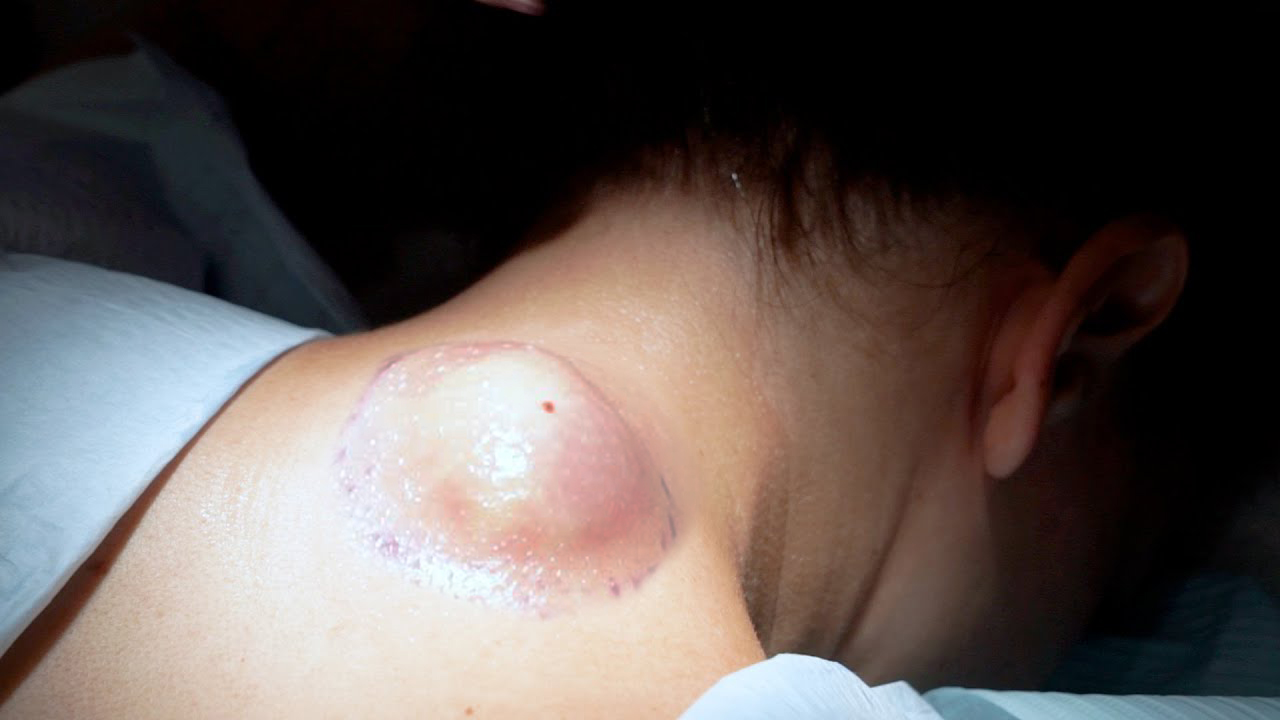
While many cysts remain small and painless, others can become inflamed, swollen, or infected. When this happens, the cyst may grow larger and cause discomfort, making removal necessary.
Why Removal Is Important
Removing a cyst on the neck is not only for cosmetic reasons. A growing or infected cyst can cause pain, redness, or pressure. If squeezed improperly at home, the cyst may burst internally, leading to a severe infection or the formation of an abscess. Professional removal ensures that the entire cyst sac is taken out, preventing recurrence.
The Cyst Removal Procedure
Cyst removal on the neck is usually a simple outpatient procedure. A doctor begins by examining the cyst to ensure it is safe to remove. Then, the area is cleaned and numbed with a local anesthetic. Once the skin is numb, a small incision is made directly over the cyst. The doctor gently drains any fluid or keratin inside, then carefully removes the cyst sac. This step is crucial—if the sac is not removed completely, the cyst can grow back.
After the cyst is removed, the wound may be closed with a few small stitches or left open to heal naturally, depending on its size. The area is cleaned again and covered with a sterile bandage. Most people feel little to no pain during the procedure due to numbing.
Aftercare and Healing
Following cyst removal, proper aftercare is essential to prevent infection and ensure smooth healing. The wound should be kept clean and dry. Dressings must be changed daily or as instructed by your doctor. Avoid scratching, rubbing, or putting pressure on the neck while healing. Mild discomfort can be managed with over-the-counter pain relievers. Within one to two weeks, the incision typically heals, though full recovery may take a bit longer depending on the size of the cyst.
Preventing Future Cysts
While not all cysts can be prevented, maintaining good skin hygiene can help. Keeping the neck clean, avoiding harsh shaving techniques, and using non-comedogenic skincare products may reduce blockages.
Conclusion
Cyst removal on the neck is a safe, effective procedure that provides relief from discomfort and prevents possible complications. Whether your cyst is small or large, painless or inflamed, seeking professional removal is the best way to ensure proper healing and avoid recurrence. Early attention and proper care help maintain healthy, smooth skin and peace of mind.