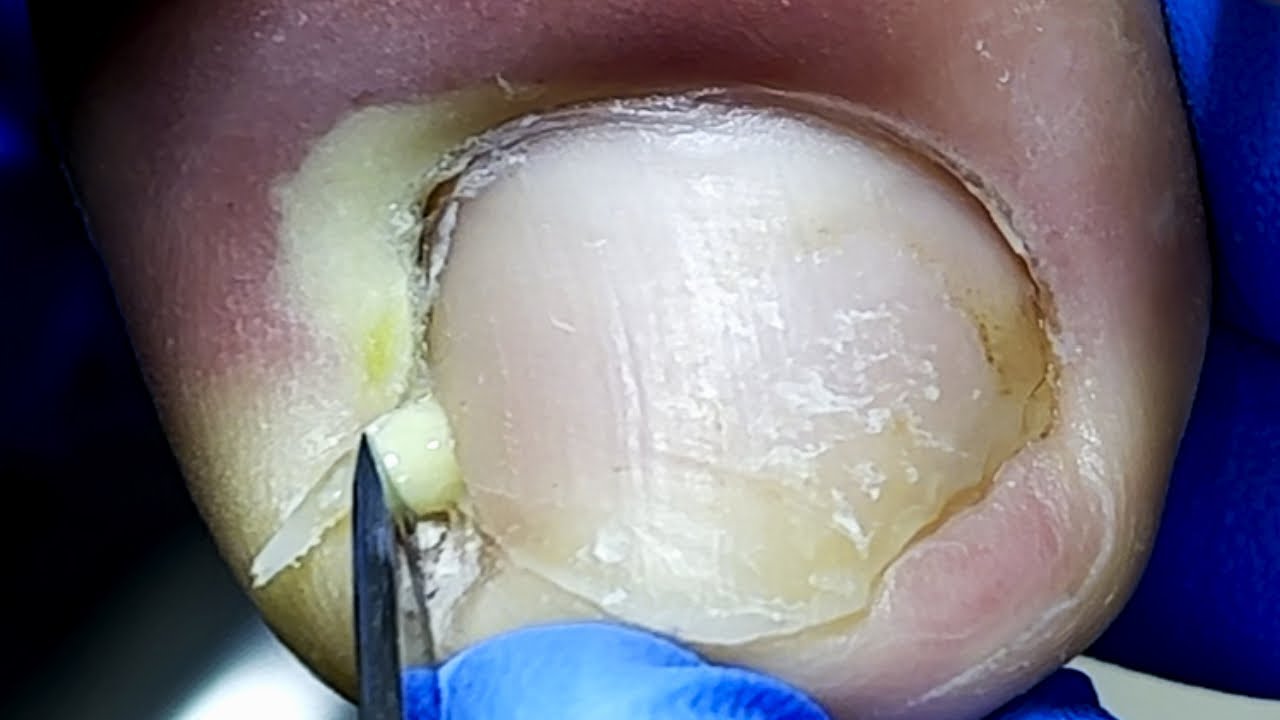
An infected toenail can be both painful and uncomfortable, especially when pus begins to form and drain. This usually happens when bacteria enter the skin around the nail due to an ingrown toenail, injury, or poor foot hygiene. While the sight of pus may look concerning, it’s actually your body’s natural way of fighting infection. However, if not treated properly, the infection can worsen or spread. Here’s a detailed guide on how to fix and care for a toenail after pus has drained to help your toe heal safely and prevent future infections.
1. Understand the Cause of the Infection
Most toenail infections occur because of an ingrown toenail—when the edge of your nail grows into the surrounding skin. This can lead to irritation, swelling, redness, and pus formation. Other causes include fungal infections, nail injuries, or wearing tight shoes that create pressure on the toes. Knowing what caused the infection helps you choose the right treatment and prevent it from happening again.
2. Clean the Area Thoroughly
After the pus drains, the first and most important step is to clean the infected area. Wash your hands and the affected toe using warm water and mild antibacterial soap. You can also soak your foot in a basin of warm salt water (mix 1 teaspoon of salt per cup of water) for about 15–20 minutes. This helps reduce bacteria, ease pain, and soften the surrounding skin. Pat the area dry gently with a clean towel.
3. Apply an Antiseptic or Antibiotic Ointment
Once the area is clean, apply an over-the-counter antiseptic solution or antibiotic ointment such as Neosporin. This helps prevent further infection and supports healing. Make sure to cover the toe with a clean, sterile bandage to protect it from dirt and bacteria. Change the bandage at least twice a day or whenever it becomes wet or dirty.
4. Reduce Pain and Swelling
If the infected toenail area feels painful, you can take an over-the-counter pain reliever like ibuprofen or acetaminophen. You can also continue soaking your foot in warm salt water two to three times daily to reduce swelling and speed up recovery. Elevating your foot when resting can help minimize pressure and inflammation.
5. Avoid Pressure and Tight Footwear
While healing, it’s important to wear open-toed shoes or sandals that don’t put pressure on the affected toe. Tight shoes can worsen the infection or cause new irritation. Keep your feet dry and avoid walking barefoot in public places to prevent reinfection.
6. Watch for Signs of Complications
Even after the pus drains, the infection may still be active under the skin. Watch for signs such as increased redness, swelling, severe pain, or fever. If any of these occur, it may indicate a deeper infection that requires professional medical attention. In some cases, a doctor may prescribe oral antibiotics or perform a minor procedure to remove part of the nail.
7. Prevent Future Toenail Infections
To avoid future problems, trim your nails straight across rather than curved, and avoid cutting them too short. Always use clean nail tools, and keep your feet clean and dry. Moisture and bacteria can easily lead to recurring infections if proper foot care is not maintained.
Conclusion
Fixing a pus-drained infected toenail requires careful cleaning, disinfecting, and protection. While minor infections can heal at home with proper care, severe or recurring infections should be treated by a healthcare professional. Good hygiene, correct nail trimming habits, and wearing comfortable shoes can go a long way in preventing painful toenail infections and keeping your feet healthy.