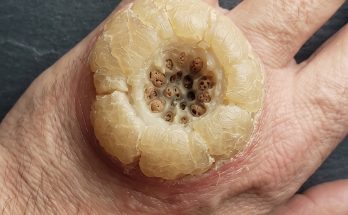
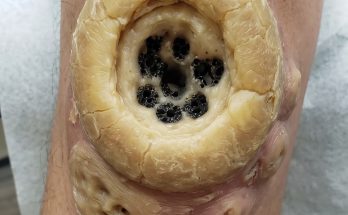
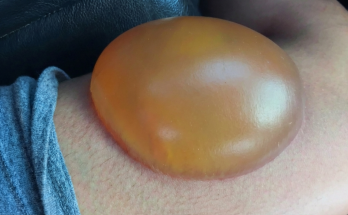
A seroma is a pocket of clear fluid that sometimes develops under the skin after surgery, injury, or trauma. When a seroma becomes very large or persistent, it is often referred to as a “super seroma.” Although it is not usually dangerous, it can be uncomfortable, cause swelling, and delay healing if not properly treated. Understanding why a super seroma forms — and why it must be drained — is important for anyone recovering from a surgical procedure or injury.
1. What Is a Seroma?
A seroma is a buildup of serous fluid, a clear or pale-yellow liquid similar to the fluid found in blisters. This fluid collects in the empty space left behind after tissue is removed or damaged. Seromas are most common after surgeries such as liposuction, tummy tucks, breast surgery, or large wound closures. While small seromas may resolve on their own, larger ones — known as super seromas — can cause visible swelling and discomfort that require medical drainage.
2. How Does a Super Seroma Form?
When surgery or injury disrupts tissue, blood vessels, and lymphatic channels, the body responds by producing fluid to protect and heal the area. Normally, this fluid is absorbed naturally by the body. However, if too much fluid accumulates or if the lymphatic system cannot drain it efficiently, a pocket forms under the skin — this is a seroma.
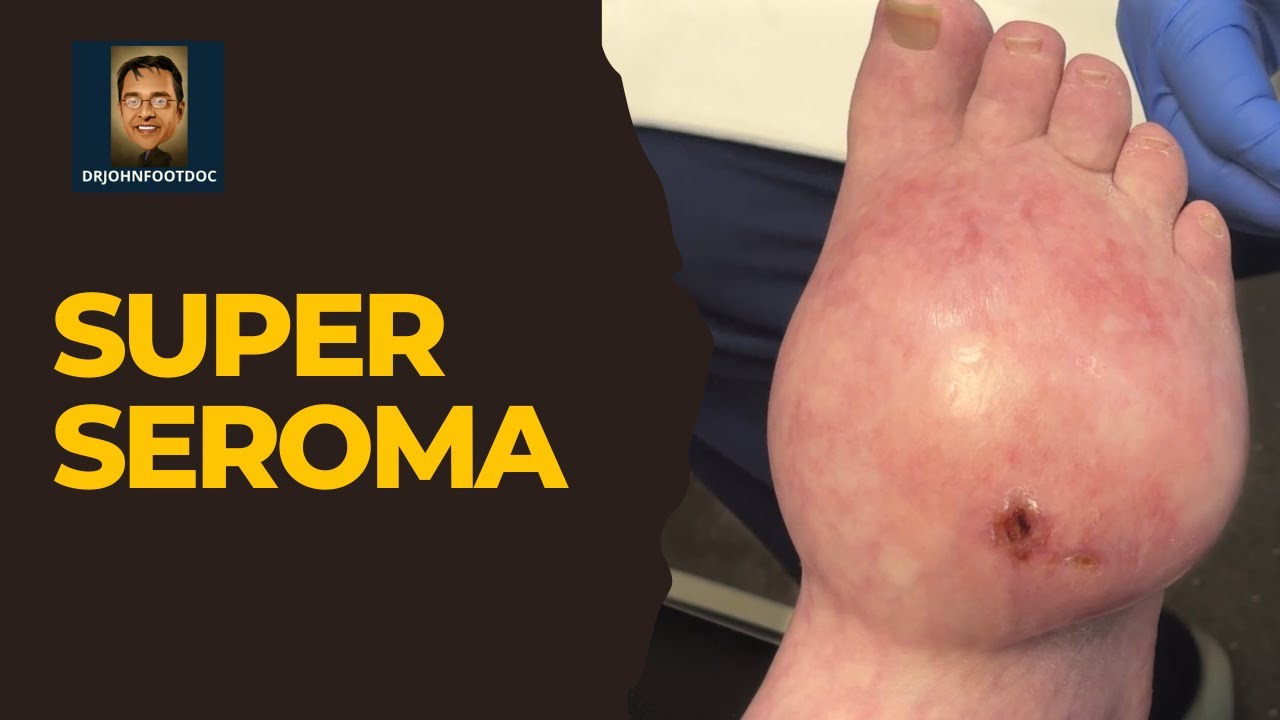
A super seroma occurs when the amount of fluid becomes excessive or continues to refill even after partial drainage. This can happen when there is a large surgical cavity, repeated movement in the area, or insufficient compression during recovery.
3. Common Causes of Seroma Formation
-
Major surgical procedures: Operations involving large tissue removal (like cosmetic surgery or tumor removal) leave empty spaces that can fill with fluid.
-
Lymphatic damage: If lymph vessels are cut or damaged during surgery, fluid drainage becomes inefficient.
-
Inadequate post-surgical care: Not wearing compression garments or engaging in heavy physical activity too soon after surgery can increase fluid buildup.
-
Infection or inflammation: These can stimulate the body to produce extra fluid as part of the healing process.
4. Symptoms of a Super Seroma
A seroma typically appears as a swollen, soft lump near a surgical or injury site. The area may feel tender or fluctuate when touched. Some people notice a sloshing sound or sensation under the skin. In severe cases, redness, warmth, or pain can develop — signs that the seroma might be infected.
5. Why Drainage Is Necessary
When a seroma grows large (a super seroma), the pressure can slow wound healing and cause discomfort. If left untreated, it can harden into a fibrous capsule or become infected, leading to an abscess. For these reasons, doctors often drain the fluid using a sterile needle and syringe or by inserting a small drain tube. This procedure relieves pressure, reduces swelling, and allows the tissues to heal properly.
6. How Draining Is Done
The drainage procedure is usually simple and quick. A doctor cleans the area, uses a sterile needle to withdraw the fluid, and may apply pressure afterward to prevent refilling. In some cases, a drain is temporarily placed to allow continuous fluid removal. Compression garments or bandages are then used to help the tissues close and reattach.
7. Preventing Future Seromas
To reduce the risk of developing a seroma, patients should follow all post-surgical instructions carefully. Wearing compression garments, avoiding heavy movement, and keeping the wound clean are essential steps. Surgeons may also use drains immediately after surgery to prevent fluid buildup in high-risk patients.
8. When to See a Doctor
If swelling continues to grow, feels painful, or shows signs of infection such as redness or pus, medical attention is required. Repeated or persistent seromas may need additional drainage or, in rare cases, surgical intervention to remove the fluid pocket.
Final Thoughts
A super seroma forms when excessive healing fluid accumulates beneath the skin after surgery or trauma. Although it’s part of the body’s natural response, too much fluid can delay recovery and cause discomfort. Draining the seroma helps relieve pressure, promotes healing, and prevents complications like infection. With proper care and medical follow-up, most seromas heal completely and do not return, allowing the body to recover safely and smoothly.