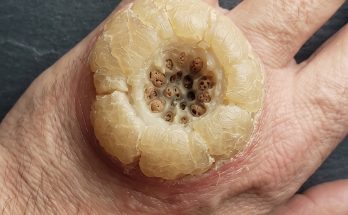
A face tumor is an abnormal growth or lump that develops on the facial area, including the skin, muscles, bones, or glands. While the word “tumor” can sound frightening, not all tumors are cancerous. Many are benign (non-cancerous) and grow slowly, while others can be malignant (cancerous) and spread quickly. Understanding the causes of facial tumors can help people recognize early symptoms and seek proper medical attention.
1. What Is a Face Tumor?
A face tumor is a mass of tissue that forms when cells in the face grow and divide uncontrollably. Normally, the body regulates cell growth, replacing old cells with new ones. However, when this process is disrupted—due to genetic changes, infections, or environmental factors—cells can multiply abnormally and form a lump or swelling. Face tumors can develop in different tissues, such as the skin, salivary glands, jawbone, or soft tissues beneath the skin.
2. Genetic and Hereditary Factors
Genetics play a major role in the development of tumors, including those on the face. Some people inherit genetic mutations that make them more likely to develop certain types of tumors, such as neurofibromas or basal cell carcinomas. These mutations can interfere with the body’s ability to control cell growth. If a close family member has a history of facial tumors or skin cancers, the risk may be higher.


3. Sun Exposure and UV Radiation
One of the most common causes of facial tumors, especially skin-related ones, is prolonged exposure to ultraviolet (UV) rays from the sun. UV radiation can damage DNA in skin cells, causing mutations that may lead to tumor formation. Over time, this can result in benign growths like actinic keratoses or even malignant ones such as melanoma and squamous cell carcinoma. Wearing sunscreen and protective clothing is essential to reduce this risk.
4. Infections and Viruses
Certain infections can trigger abnormal cell growth, leading to tumors on the face. For example, the human papillomavirus (HPV) has been linked to some head and neck cancers, while chronic infections in the sinuses or salivary glands can cause inflammation that contributes to tumor formation. Persistent infections weaken the immune system, making it easier for abnormal cells to multiply.
5. Hormonal and Metabolic Imbalances
Hormonal changes can sometimes stimulate cell growth in the glands or soft tissues of the face. For instance, hormonal imbalances may contribute to the development of salivary gland tumors. Additionally, metabolic disorders that affect fat or connective tissue can lead to benign tumors such as lipomas (fatty lumps).
6. Environmental and Chemical Exposure
Exposure to harmful chemicals, pollutants, or radiation can increase the risk of tumor formation. People who work with industrial chemicals, tobacco smoke, or heavy metals are more likely to develop facial tumors. These substances can damage DNA or irritate tissues, causing chronic inflammation that encourages abnormal cell growth.
7. Chronic Inflammation or Injury
Repeated irritation or injury to the same facial area can sometimes lead to tumor development. When the body constantly repairs the same spot, the rapid cell turnover can increase the chance of genetic errors, which may eventually result in a benign or malignant tumor.
8. Weak Immune System
Individuals with weakened immune systems—whether from diseases like HIV, medications, or aging—are more prone to developing tumors. The immune system plays a key role in detecting and destroying abnormal cells. When it doesn’t function properly, these cells can survive and form tumors.
9. When to Seek Medical Help
Not every lump or swelling on the face is a tumor, but it’s important to get any persistent growth checked by a doctor. Warning signs include rapid growth, pain, bleeding, changes in color, or difficulty moving facial muscles. Early diagnosis is crucial for successful treatment, especially if the tumor is malignant.
Final Thoughts
Face tumors can form due to a combination of genetic, environmental, and lifestyle factors. While many are benign and treatable, others may require surgery or medical therapy. Protecting your skin from the sun, avoiding chemical exposure, and maintaining a healthy immune system can help reduce your risk. Most importantly, regular check-ups and early medical evaluation can make a huge difference in preventing serious complications from facial tumors.