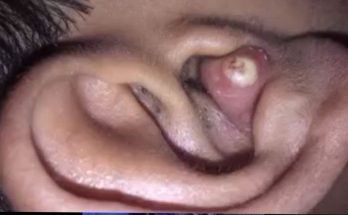
An abscess is a painful, swollen lump filled with pus that forms under the skin or inside the body. It occurs when the body tries to fight off an infection. Abscesses can appear anywhere—on the face, armpits, back, buttocks, or other areas—and are often red, warm, and tender to the touch. While small abscesses may heal on their own, larger ones usually require medical treatment. Understanding what causes abscesses can help you prevent them and recognize early warning signs before they become serious.
1. What Is an Abscess?
An abscess is a collection of pus caused by a bacterial infection. The pus consists of dead white blood cells, bacteria, and tissue debris. When the immune system detects harmful bacteria entering the skin, it responds by sending white blood cells to the infected area. As these cells attack the bacteria, the tissue becomes inflamed, leading to swelling and the formation of a pus-filled cavity—an abscess.
2. Bacterial Infection: The Main Cause
The most common cause of an abscess is bacteria, especially Staphylococcus aureus, including the antibiotic-resistant strain MRSA. These bacteria can enter the skin through cuts, insect bites, clogged pores, or hair follicles. Once inside, they multiply rapidly, triggering an immune response. The body walls off the infection by forming a barrier of tissue, which traps the bacteria and pus inside—creating an abscess.

3. Blocked Sweat or Oil Glands
Another common reason abscesses form is when sweat glands or sebaceous (oil) glands become blocked. The trapped oil and dead skin cells create a perfect environment for bacteria to grow. When bacteria invade this blocked area, the immune system reacts, and an abscess may form. This type of abscess is often seen in areas like the armpits, groin, or back.
4. Ingrown Hairs and Skin Injuries
Ingrown hairs and small cuts can also lead to abscess formation. When a hair grows back into the skin, it can cause irritation and inflammation, allowing bacteria to enter and multiply. Similarly, open wounds that are not cleaned properly can become infected, eventually developing into painful abscesses.
5. Weak Immune System
People with weakened immune systems—such as those with diabetes, HIV, or chronic illnesses—are more likely to develop abscesses. Their bodies have a harder time fighting infections, which allows bacteria to grow more easily. Even minor skin infections can progress into abscesses if the immune system is not strong enough to control them.
6. Poor Hygiene and Excessive Sweating
Poor hygiene can increase the risk of skin infections that lead to abscesses. When sweat, dirt, and bacteria accumulate on the skin, they can clog pores and irritate hair follicles. Excessive sweating, especially in warm climates, can also trap bacteria on the skin, raising the likelihood of infection.
7. Foreign Objects Under the Skin
Sometimes, abscesses form when a foreign object—like a splinter, needle fragment, or piece of glass—gets trapped under the skin. The body recognizes it as a threat and responds with inflammation and pus production to try to expel it.
8. Treatment and Prevention
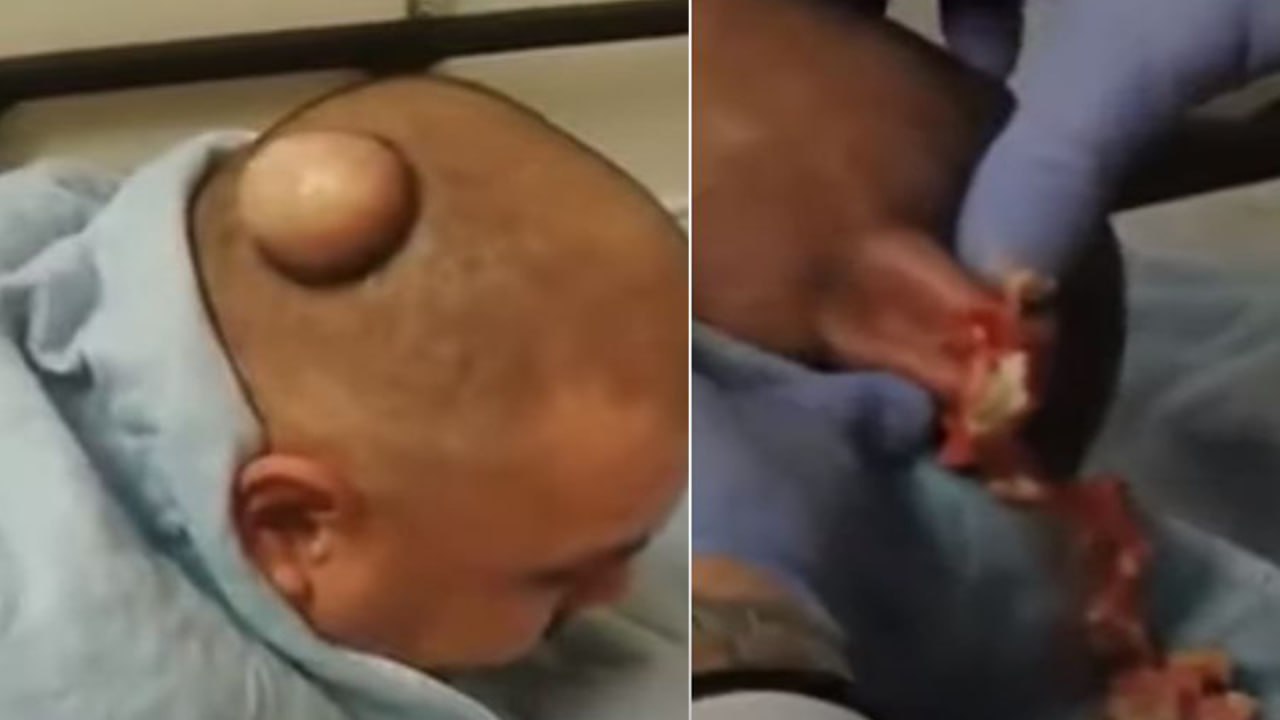
Most abscesses require medical drainage. A doctor may make a small incision to release the pus, then clean and cover the wound. In some cases, antibiotics are prescribed to control the infection. Never try to pop or squeeze an abscess at home, as this can push bacteria deeper into the skin and cause further infection.
To prevent abscesses, practice good hygiene, clean wounds promptly, avoid sharing personal items like razors or towels, and wear clean, breathable clothing. For people with chronic conditions such as diabetes, managing blood sugar and maintaining healthy skin care are essential to reducing the risk.
Final Thoughts
Abscesses are a sign that your body is fighting off infection. While they are common and usually treatable, they can become serious if ignored. Recognizing the causes—bacterial infection, poor hygiene, or immune issues—can help you take preventive steps. If you notice a painful, swollen lump that feels warm or filled with pus, seek medical care early to ensure safe and complete healing.