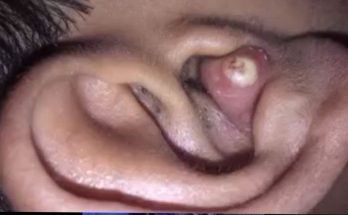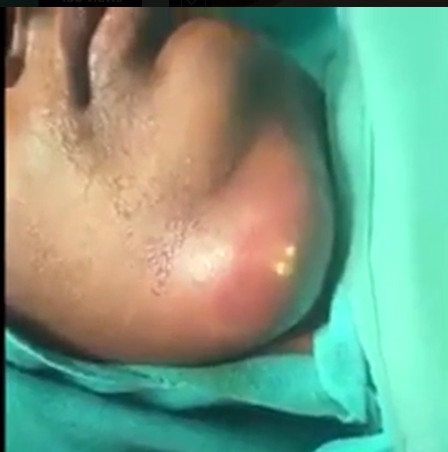
A lipoma is a benign (non-cancerous) growth made up of fatty tissue that develops slowly under the skin. While most lipomas are small and harmless, some can grow quite large—these are known as giant lipomas. They may cause discomfort, restrict movement, or become noticeable bulges on the body. Understanding what causes these large fatty lumps to form can help you recognize them early and seek proper treatment if necessary.
1. What Is a Giant Lipoma?
A giant lipoma is simply a large version of a regular lipoma. Typically, a lipoma is considered “giant” when it measures over 10 centimeters (about 4 inches) in diameter or weighs more than 1,000 grams. They are soft, movable, and usually painless when touched. Giant lipomas can develop anywhere fat cells are present, such as the shoulders, neck, back, thighs, or arms. Although they are benign, their size can make them uncomfortable and sometimes cosmetically concerning.
2. The Main Cause: Overgrowth of Fat Cells
Lipomas form when fat cells multiply more than normal in a small area of the body. The exact reason for this overgrowth is not fully understood, but it is believed to be linked to genetic, hormonal, or metabolic factors. These fatty tissues gather under the skin, forming a soft lump that grows slowly over time. In most cases, lipomas grow very gradually, taking several years to reach a large size.

3. Genetic and Hereditary Factors
Genetics play an important role in the development of lipomas. If someone in your family has multiple lipomas, you may have a higher risk of developing them too. This condition, known as familial multiple lipomatosis, is inherited and often results in several lipomas appearing across the body during adulthood. In some cases, one or more of these lipomas may grow into a giant lipoma.
4. Injuries or Trauma to Fat Tissue
Some studies suggest that a lipoma may form after a physical injury or trauma to the fatty tissue. When fat cells are damaged, the body might react by producing new fat cells as part of the healing process. This unusual cell growth can sometimes lead to a lipoma developing in that area, although this is not always the case.
5. Hormonal and Metabolic Changes
Hormonal fluctuations or metabolic disorders may also contribute to lipoma formation. For example, people who are overweight or have lipid metabolism issues may be more prone to developing fatty growths. Hormones such as insulin, which affect fat storage and metabolism, could play a role in the abnormal buildup of fat cells.
6. Aging and Lifestyle Factors
Lipomas are more common in middle-aged adults between the ages of 40 and 60. Although they can appear at any age, the risk increases as the body’s metabolism slows and fat distribution changes. While lifestyle factors such as diet and exercise do not directly cause lipomas, maintaining a healthy weight and balanced lifestyle can support overall skin and tissue health.
7. When to See a Doctor
Most lipomas are harmless and do not require treatment. However, if a lipoma grows rapidly, becomes painful, or limits your movement, it’s important to consult a doctor. A medical examination, ultrasound, or biopsy can confirm whether the lump is a benign lipoma or something more serious, such as a liposarcoma (a rare cancerous tumor of fatty tissue).
8. Treatment Options for Giant Lipomas
The most effective treatment for a giant lipoma is surgical removal. Doctors may perform a minor surgery under local or general anesthesia to extract the fatty mass completely. In some cases, liposuction can also be used for smaller or softer lipomas. Once removed, lipomas rarely return, especially if the entire capsule is taken out.
Final Thoughts
Giant lipomas may look alarming, but they are almost always benign and slow-growing. Their development is mainly linked to genetic and biological factors rather than lifestyle choices. Early diagnosis and medical consultation are key to managing them safely. If you notice a large, soft lump growing under your skin, do not ignore it—get it checked by a healthcare professional. With proper care, giant lipomas can be easily treated and removed, restoring both comfort and confidence.