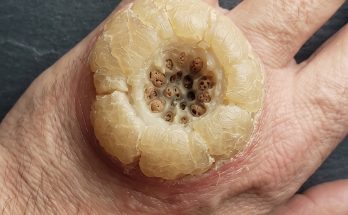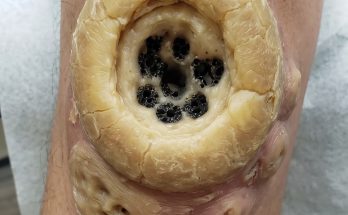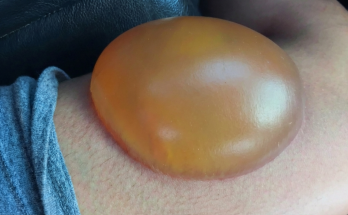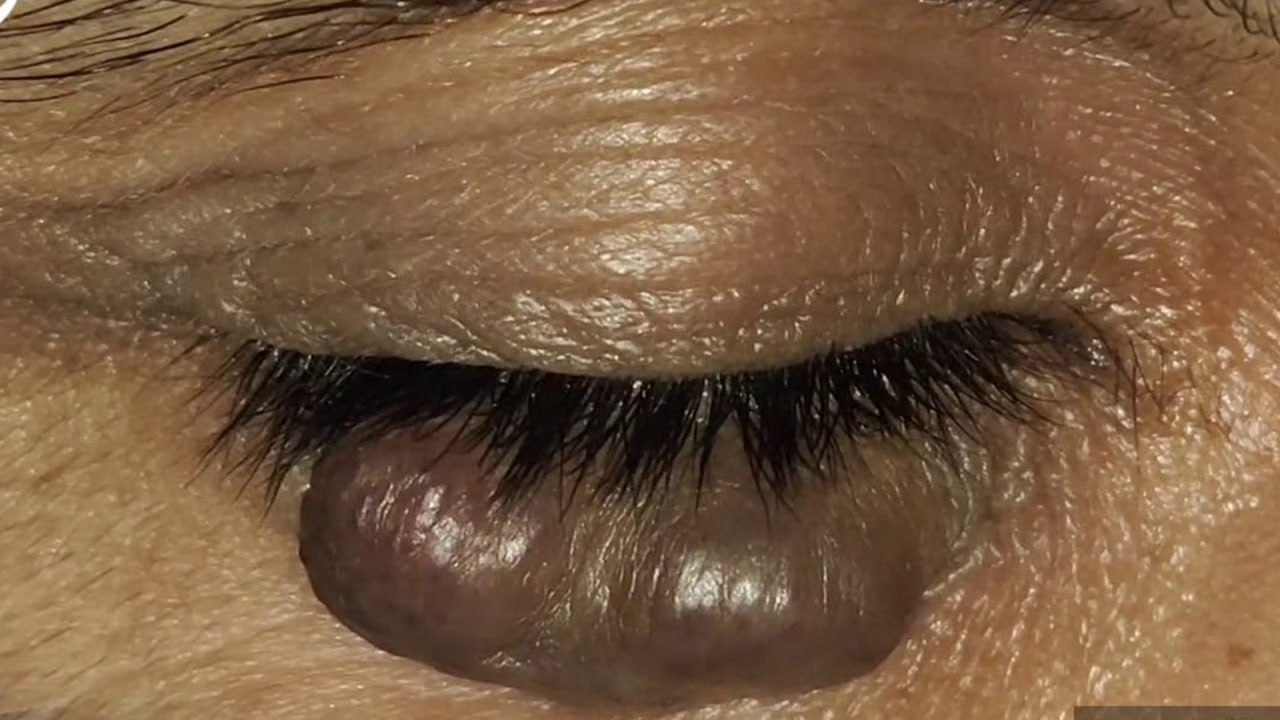
A cyst on the skin can be annoying, uncomfortable, and sometimes painful, especially if it becomes swollen or infected. While most cysts are harmless and may disappear on their own, some persist or grow larger over time. Knowing how to remove a cyst safely — and when to seek medical help — is important to prevent scarring and infection. Here’s a complete guide on how to deal with cysts properly and effectively.
1. Understand What a Cyst Is
A cyst is a small, closed sac that forms beneath the skin. It can contain fluid, pus, or semi-solid material. Common types include epidermoid cysts, sebaceous cysts, and pilar cysts. They usually appear on the face, neck, scalp, back, or chest. Most cysts develop when a hair follicle or oil gland becomes blocked, trapping keratin and sebum under the skin.
2. Do Not Pop or Squeeze It
It may be tempting to pop a cyst as you would a pimple, but doing so can make the situation worse. Squeezing a cyst can push bacteria deeper into the skin, leading to inflammation, infection, and painful abscess formation. It can also cause permanent scarring. The safest approach is to leave it alone or seek professional removal.
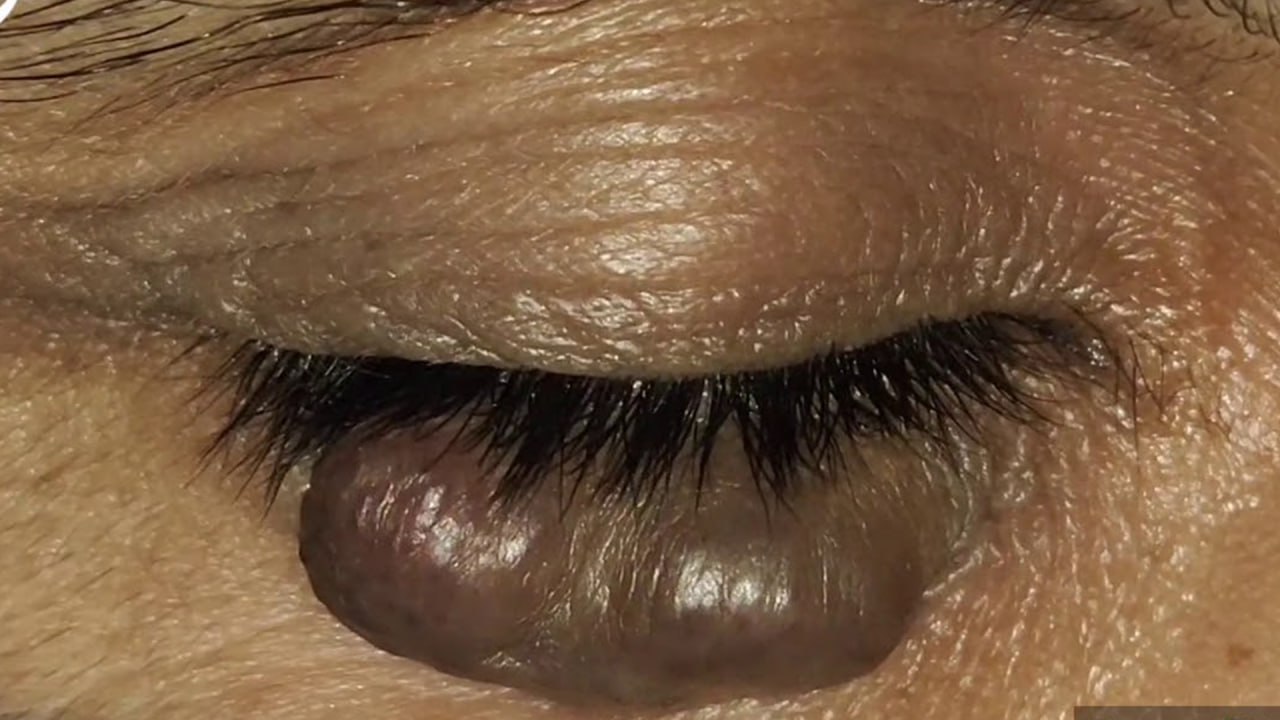
3. Use Warm Compresses
Applying a warm compress is one of the best natural methods to help a cyst heal. The heat increases blood circulation and encourages the trapped material to move toward the surface. To do this, soak a clean cloth in warm (not hot) water, wring it out, and place it on the cyst for 10–15 minutes, several times a day. Over time, the cyst may shrink or drain naturally.
4. Keep the Area Clean
Good hygiene helps prevent infection. Wash the area around the cyst with mild soap and water daily. Avoid applying heavy creams, oils, or makeup on the area, as these can clog pores and make the cyst worse. If the cyst opens on its own, gently clean the area with antiseptic and cover it with a sterile bandage.
5. Try Natural Remedies
Some natural ingredients may help reduce inflammation and support healing.
Tea tree oil: Known for its antibacterial properties, it can prevent infection and reduce swelling. Mix a few drops with a carrier oil (like coconut oil) before applying.
Aloe vera: Has soothing and healing properties that help calm irritation. Apply fresh aloe gel directly to the cyst twice daily.
Apple cider vinegar: May help balance the skin’s pH and prevent bacterial growth. Dilute it with water before applying with a cotton ball.
6. Seek Medical Treatment for Large or Infected Cysts
If your cyst becomes red, swollen, painful, or starts to drain pus, it might be infected. In this case, you should see a dermatologist. A doctor can safely drain the cyst using sterile tools or remove it surgically under local anesthesia. This procedure is quick and helps prevent the cyst from returning. In some cases, antibiotics may also be prescribed to fight infection.
7. Prevent Future Cysts
To reduce the risk of new cysts, maintain a regular skincare routine. Exfoliate weekly to remove dead skin cells and unclog pores. Avoid heavy or oily products that can block hair follicles. Keep your skin clean, especially after sweating or exercising. Wearing loose-fitting clothing also helps prevent irritation that can trigger cyst formation.
Final Thoughts
Cysts on the skin are common and usually harmless, but removing them safely is important. Home remedies can help with small or mild cysts, but larger, painful, or recurring cysts should always be treated by a healthcare professional. Avoid squeezing or poking the lump, as this can lead to infection and scarring. With proper care, hygiene, and patience, you can heal your skin and prevent cysts from coming back in the future.