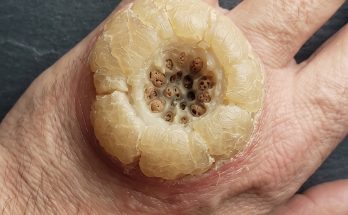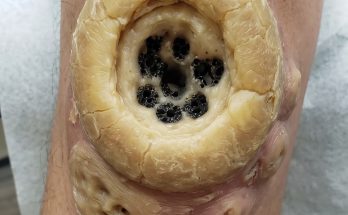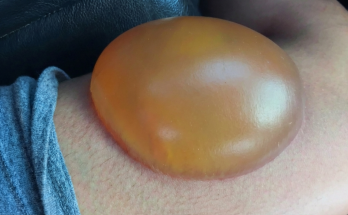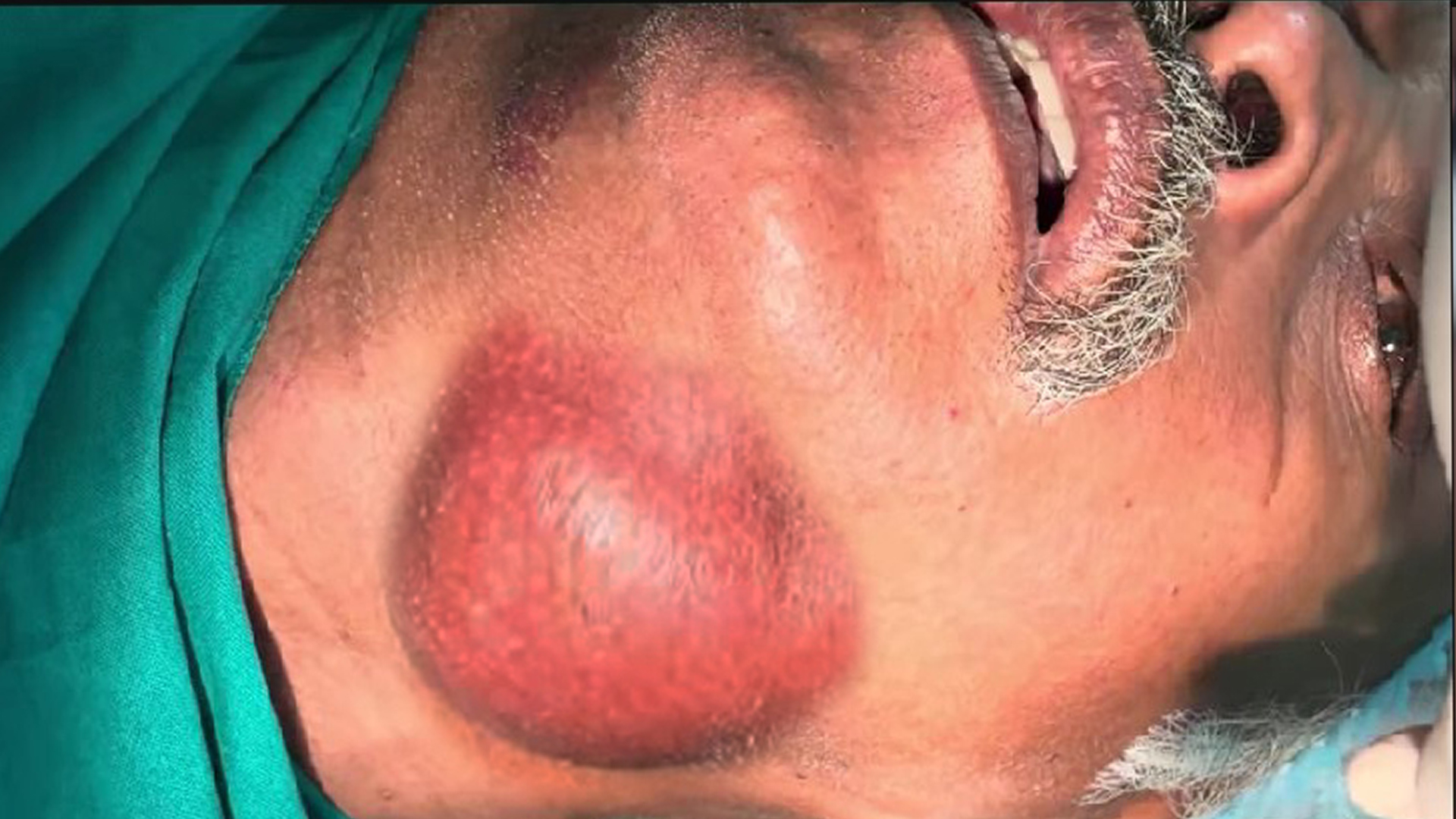
Cysts are common skin conditions that can appear anywhere on the body. They are usually harmless, but they can be uncomfortable, unsightly, and sometimes painful if infected. A cyst is a closed sac-like bump filled with fluid, pus, or other material that forms underneath the skin. Understanding why cysts form and what causes them can help you manage and prevent them more effectively.
1. What Is a Cyst?
A cyst is a small lump or pocket that develops under the skin. It can feel soft or firm, depending on the type and location. Most cysts grow slowly and are noncancerous. They can appear on the face, neck, back, scalp, or even on private areas. Common types include epidermoid cysts, sebaceous cysts, and pilar cysts. While most are not dangerous, they can become infected or inflamed if bacteria enter the sac.
2. Blocked Hair Follicles or Oil Glands
One of the most common causes of cyst formation is a blocked hair follicle or oil (sebaceous) gland. When the opening of a follicle becomes clogged with dead skin cells or sebum, the trapped material can form a sac beneath the surface. Over time, the trapped oil and keratin build up, creating a cyst. This often happens in oily areas such as the face, chest, or back.
3. Skin Injuries and Irritation
Cysts can also develop after skin trauma or irritation. For example, shaving, scratching, or squeezing pimples can damage the hair follicle and lead to inflammation. When the skin tries to repair itself, a cyst may form as part of the healing process. This type of cyst can slowly enlarge over weeks or months.
4. Genetic Factors
In some cases, cysts can run in families. Certain genetic conditions such as Gardner’s syndrome or basal cell nevus syndrome make people more prone to developing multiple cysts. If you frequently develop cysts in different parts of your body, heredity might play a role.
5. Hormonal Changes
Hormonal imbalances, particularly those related to puberty or menstruation, can increase oil production in the skin. When excess oil mixes with dead cells, it can block pores and create conditions for cysts to form. This is why cystic acne is common among teenagers and women experiencing hormonal fluctuations.
6. Infections and Inflammation
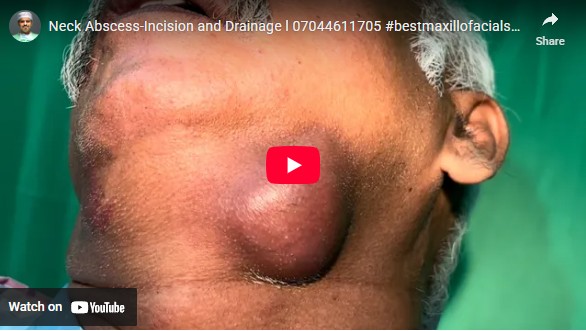
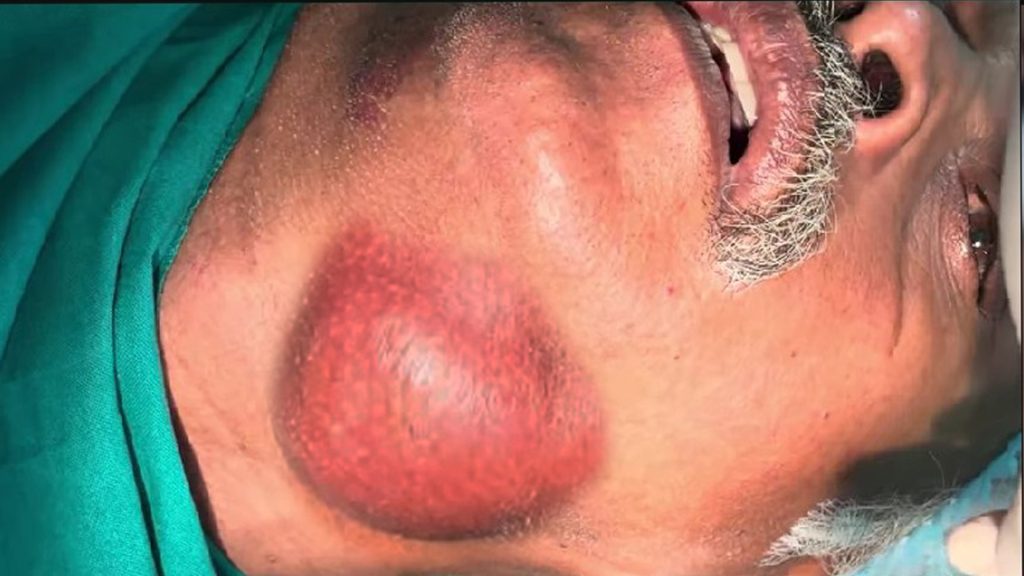
Sometimes, bacteria can infect a hair follicle, leading to an abscess or cyst-like structure filled with pus. This is often painful and red, requiring medical attention. Inflammatory skin conditions such as acne or folliculitis can also contribute to cyst formation.
7. Poor Hygiene and Sweating
Poor hygiene, excessive sweating, or wearing tight clothing for long periods can trap dirt and oil against the skin. This increases the risk of clogged pores and bacterial growth, which can trigger cyst formation, especially on the back, chest, or underarms.
8. Treatment and Prevention
Most small cysts do not require treatment and may disappear on their own. However, if a cyst becomes painful, red, or infected, it’s best to see a dermatologist. They can drain it safely or prescribe medication to reduce inflammation. Avoid popping or squeezing cysts, as this can lead to scarring or infection. To prevent cysts, maintain good hygiene, exfoliate regularly, and use skincare products suitable for your skin type.
Final Thoughts
Cysts are a natural response of the body when skin cells, oil, or other substances get trapped beneath the surface. While they are typically harmless, understanding their causes helps you take better care of your skin and know when to seek medical advice. Keeping your skin clean, avoiding irritation, and treating breakouts early can reduce your risk of developing cysts in the future.