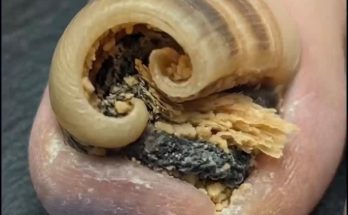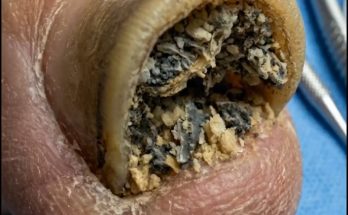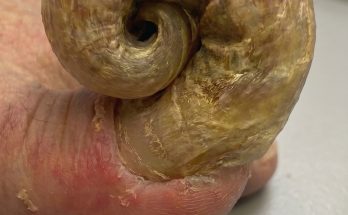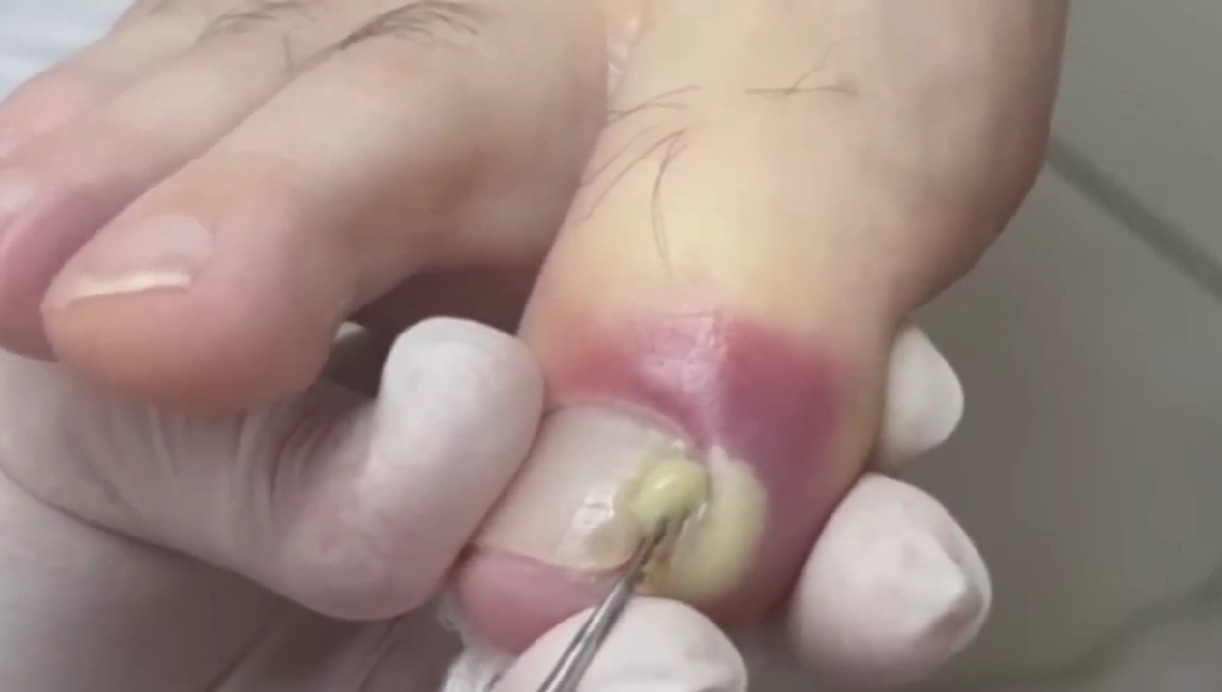
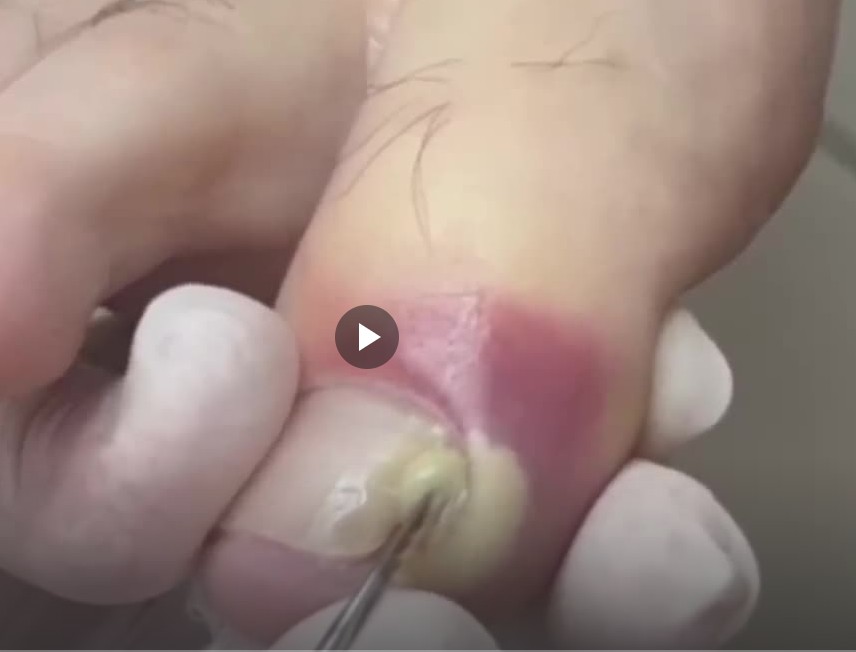
The image above shows a serious finger infection characterized by swelling, redness, and thick yellow pus being carefully drained using a medical instrument. This condition is commonly referred to as a finger abscess or advanced paronychia, and it should never be ignored. Although it may begin as a small cut or irritation, this type of infection can progress rapidly and become extremely painful.
How Does a Finger Infection Like This Develop?
Finger infections usually start when bacteria enter the skin through a minor injury. Nail biting, hangnails, aggressive manicures, small cuts, or puncture wounds can all allow bacteria to penetrate the skin barrier. Once trapped beneath the skin, bacteria multiply, leading to inflammation, pus formation, and pressure buildup.
As the infection worsens, the finger becomes red, swollen, warm, and tender. The pressure caused by trapped pus can make even slight movement painful, and the skin may appear tight and shiny.
Why Pus Drainage Is Necessary
When an infection reaches this stage, antibiotics alone are often not enough. The accumulated pus must be drained to relieve pressure and remove infected material. Without proper drainage, the infection can spread deeper into the finger, affecting tendons, joints, or even entering the bloodstream.
Professional drainage allows immediate relief of pain while reducing the risk of further complications. The procedure must be done using sterile tools and proper technique to avoid spreading the infection.
Dangers of Treating Finger Infections at Home
Many people attempt to squeeze or puncture infected areas themselves. This can be extremely dangerous. Improper drainage can push bacteria deeper into the tissue, increase inflammation, and cause permanent damage to nerves or nails.
In severe cases, untreated finger infections may lead to tissue damage, nail loss, or long-term mobility problems. Seeking medical or professional care early is the safest approach.
Preventing Future Finger Infections
Good hand hygiene is essential for preventing finger infections. Avoid biting nails or picking at the skin, keep hands clean and dry, and treat small cuts promptly. When getting manicures, ensure that tools are properly sterilized and avoid aggressive cuticle trimming.
If redness, swelling, or pain develops around a finger, early treatment can prevent serious infection.
Conclusion
Finger infections with pus are not just cosmetic issues—they are medical conditions that require proper attention. The image above highlights the importance of timely drainage and professional care. With correct treatment and prevention, finger infections can heal safely and effectively, restoring comfort and function.