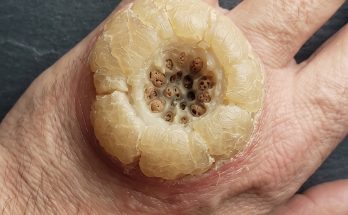
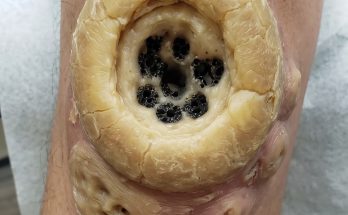
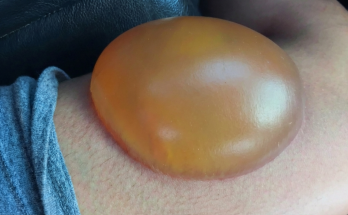
A severely curved and thickened toenail, as shown in the image, is a condition medically known as onychogryphosis, commonly referred to as a ram’s horn nail. This condition causes the nail to grow abnormally long, hard, discolored, and curved, often spiraling downward or sideways. It typically affects the big toe and is more common in elderly individuals or people with limited mobility.
The main causes of onychogryphosis include long-term neglect of nail care, repeated trauma to the toe, poor blood circulation, fungal nail infections, and underlying medical conditions such as diabetes or peripheral vascular disease. When nails are not trimmed regularly, they can gradually thicken and harden, making self-care difficult and increasing the risk of complications.

Symptoms go beyond cosmetic concerns. A severely curved toenail can press into surrounding skin, causing pain, inflammation, difficulty walking, and secondary infections. In advanced cases, bacteria or fungi may thrive under the nail, leading to foul odor, swelling, and skin breakdown. If left untreated, the condition may result in chronic infection or ulcer formation, especially in high-risk patients.
Treatment depends on the severity of the condition. Mild cases may be managed with professional nail trimming and regular foot care. However, severe onychogryphosis often requires treatment by a podiatrist, including mechanical nail reduction, antifungal therapy, or partial to complete nail removal. Proper sterilization and professional tools are essential to prevent injury or infection.
Preventive care is crucial. Maintaining proper foot hygiene, trimming nails regularly, wearing comfortable footwear, and seeking early medical attention can help prevent nail deformities. Individuals with diabetes or circulation issues should schedule routine foot examinations to avoid serious complications.
Addressing curved toenails early improves comfort, mobility, and overall foot health.