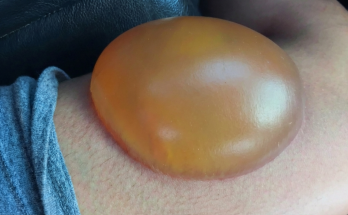
An infected toenail with pus is a common foot condition that can cause significant pain and discomfort if left untreated. As shown in the image, the toenail appears swollen, discolored, and filled with yellowish pus, which is a clear sign of bacterial infection beneath or around the nail. This condition is often associated with ingrown toenails, poor foot hygiene, or repeated pressure on the toes.
The most common causes of toenail infections include improper nail trimming, cutting nails too short or too deep, wearing tight or ill-fitting shoes, and minor injuries that allow bacteria to enter the skin. Moist environments, such as sweaty shoes or prolonged exposure to water, also increase the risk of infection. Once bacteria invade the tissue, inflammation develops, leading to redness, swelling, pain, and pus formation.
Symptoms of an infected toenail should not be ignored. These include throbbing pain, warmth around the nail, swelling, foul odor, and visible pus. In more severe cases, the infection may spread deeper into the tissue or even reach the bone, requiring medical intervention.
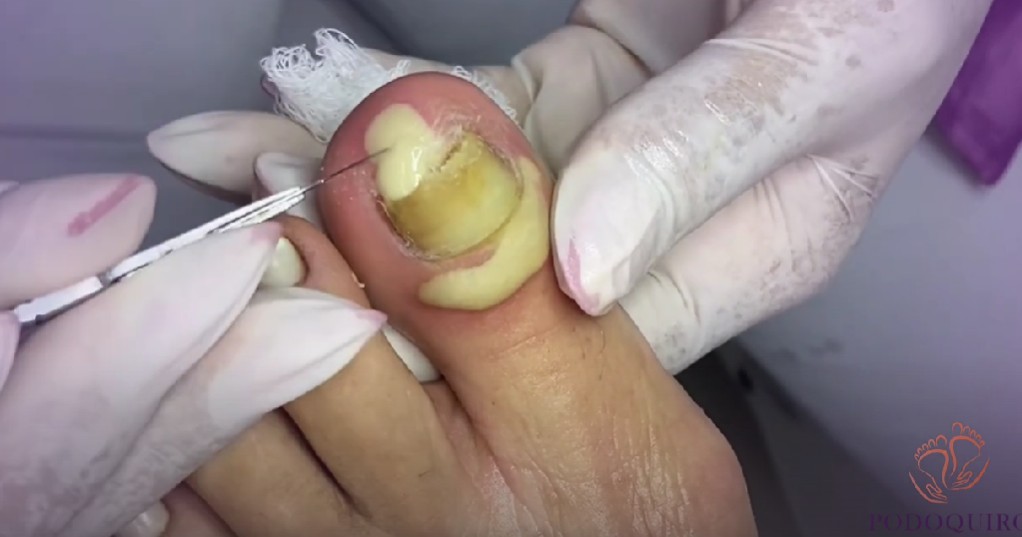
Treatment depends on the severity of the infection. Mild cases may improve with proper cleaning, warm salt-water soaks, and topical antiseptics. However, moderate to severe infections often require antibiotics prescribed by a healthcare professional. In some cases, drainage of pus or partial nail removal is necessary to stop the infection and relieve pressure.
Prevention plays a crucial role in maintaining healthy toenails. Trim nails straight across, avoid tight footwear, keep feet clean and dry, and use sterile tools for nail care. People with diabetes or weakened immune systems should be especially cautious, as toenail infections can lead to serious complications.
Early treatment and good foot care habits are key to preventing infected toenails from becoming a long-term health issue.