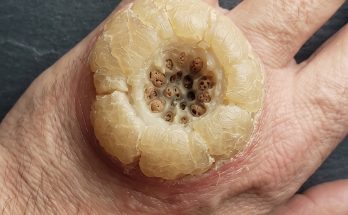
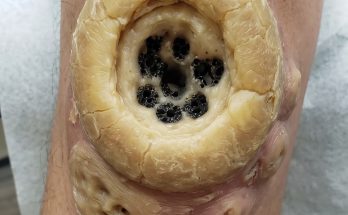
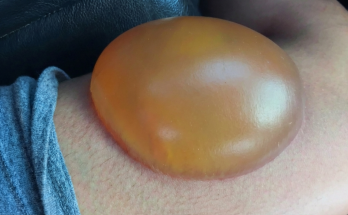
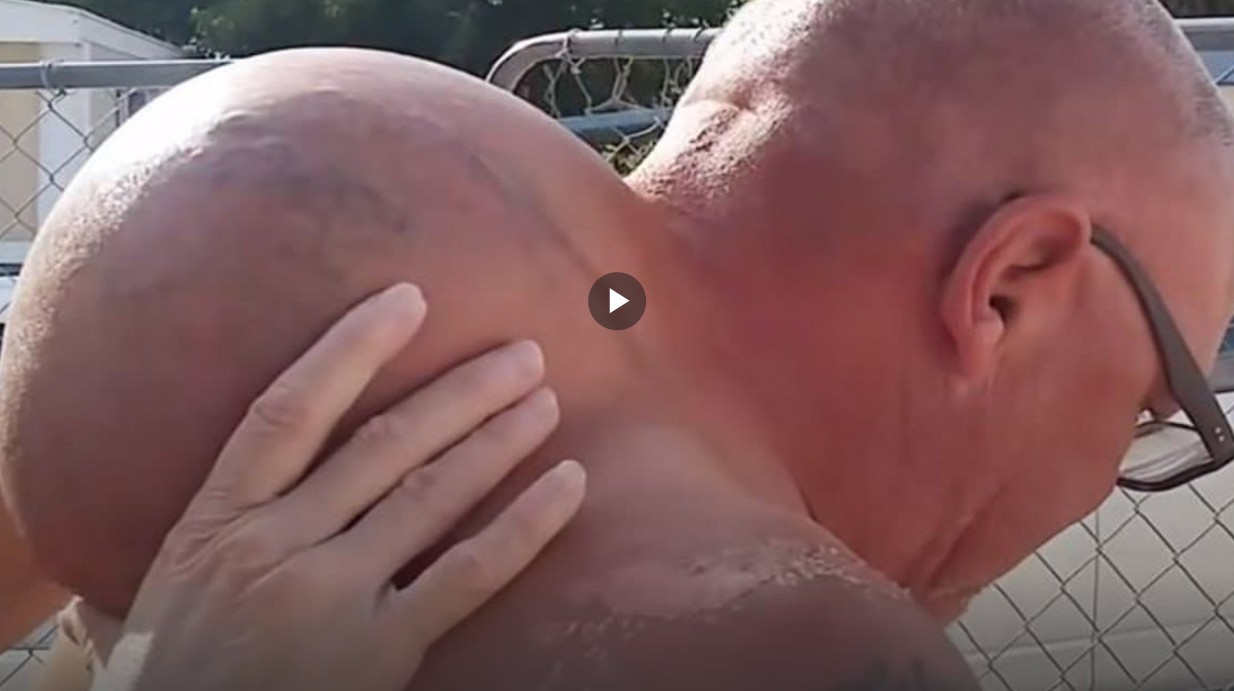
A massive lipoma on the right arm can be both physically uncomfortable and emotionally challenging, especially when the lump becomes large enough to affect movement or attract unwanted attention. Lipomas are benign fatty growths that form beneath the skin and typically grow slowly over time. While many remain small and harmless, some can grow to a considerable size, leading individuals to seek medical evaluation and removal. Understanding why lipomas develop, how they are diagnosed, and what the removal process involves helps people feel more confident and prepared when facing this condition.
A lipoma forms when fat cells cluster together in a soft, movable lump under the skin. Although the exact cause is not always known, genetics play a significant role—meaning lipomas often run in families. Minor injuries, metabolic conditions, or age-related changes may also contribute. Lipomas on the right arm are fairly common, especially in adults, because the arm is an area with sufficient soft tissue where fatty growths can expand without being noticed at first.
For many individuals, a massive lipoma becomes noticeable only when it begins to interfere with daily activities. Large lipomas on the upper or lower arm can cause discomfort while lifting, wearing clothing, or sleeping. Some people experience pressure or mild aching if the lipoma presses on surrounding muscles or nerves. Even when not painful, the size and appearance may cause self-consciousness, prompting a consultation with a healthcare professional.
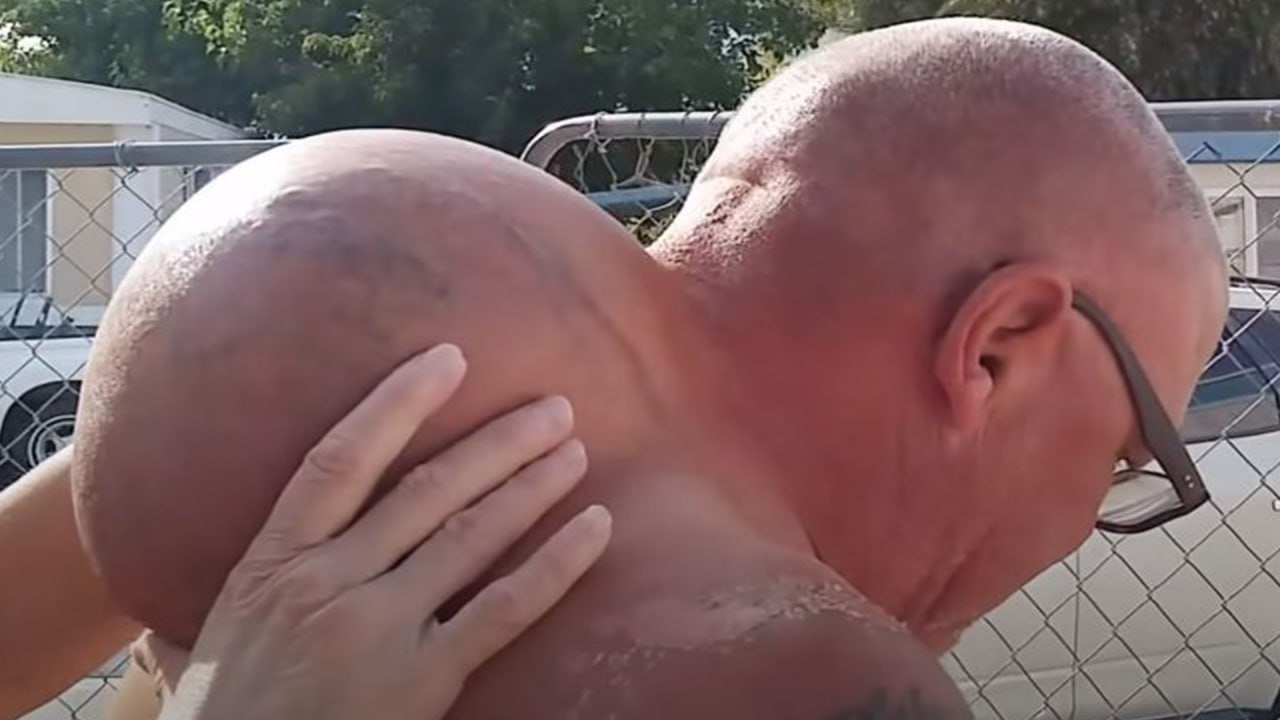
Medical evaluation typically begins with a physical examination. Doctors check the lipoma’s texture, mobility, and size. In some cases, imaging tests such as ultrasound or MRI are ordered to determine the depth of the lipoma and ensure it is not attached to deeper structures. These tests help confirm the diagnosis and guide the safest method for removal.
Removal of a massive lipoma on the arm is usually done through a minor surgical procedure. Local anesthesia is commonly used to numb the area, but for very large lipomas, sedation may be recommended to ensure comfort. The surgeon makes a small incision over the lipoma and carefully separates the fatty mass from surrounding tissues. Because lipomas are encapsulated, they can often be removed in one complete piece. This reduces the chance of regrowth and helps ensure that all fatty tissue has been successfully removed.
After the lipoma is extracted, the incision is closed with sutures, and a bandage is applied to protect the area. Recovery is generally straightforward. Patients may experience mild soreness, swelling, or bruising on the right arm for a few days. Keeping the arm elevated, avoiding heavy lifting, and following wound care instructions help speed up healing. Most people return to normal activities within a short period, although strenuous arm movements should be limited until the incision is fully healed.
The most rewarding part of removing a massive right arm lipoma is the immediate relief and improved appearance. Patients often feel more comfortable using their arm, and daily tasks become easier without the weight or restriction caused by the lump. Additionally, the removal can boost confidence and eliminate worries about future growth.
In conclusion, the removal of a massive lipoma on the right arm is a safe and effective procedure that greatly improves comfort and quality of life. With professional care and proper follow-up, individuals can expect excellent results and a smooth recovery.