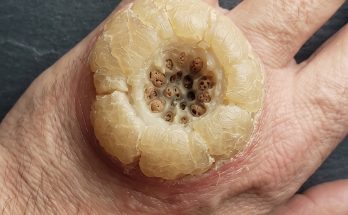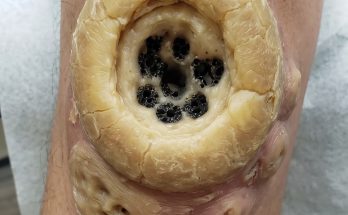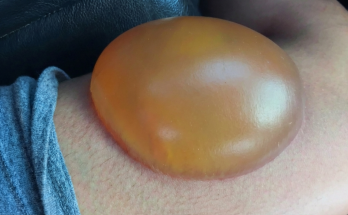
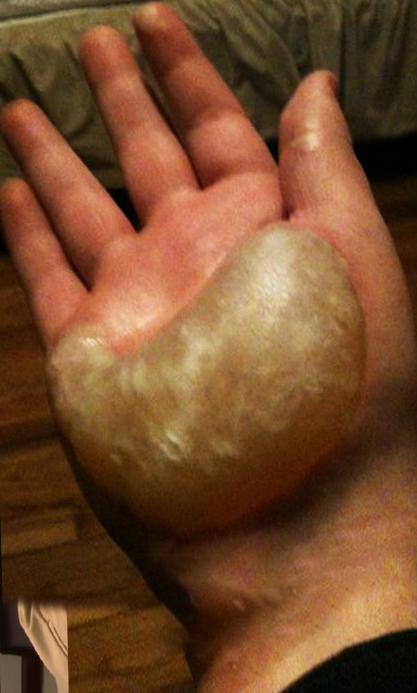
The image shows an extremely large fluid-filled blister covering a significant portion of the palm. Blisters of this size are rare and usually form as a result of intense friction, burns, chemical exposure, or severe skin irritation. When the skin experiences trauma or heat, the upper layers separate, and fluid collects inside as the body’s natural way of protecting deeper tissues. Although a blister can sometimes seem simple, one of this size requires careful attention due to the risks of infection, tearing, and long-term skin damage.
A blister like this often forms after second-degree burns, such as touching a very hot surface, exposure to steam, or contact with scalding liquids. In these cases, the body immediately reacts by creating a cushion of fluid to protect the damaged skin layers underneath. The blister may appear clear at first, gradually turning cloudy or yellowish if inflammation increases. Large blisters on the palm can be especially painful because the skin on the hand is constantly moving and bending, making it difficult for the area to remain stable.
Another possible cause is severe friction, such as long periods of heavy manual work, intense sports, or repeated rubbing against tools or equipment. When friction is strong enough, the skin shears apart, leading to fluid buildup. Even though friction blisters are common, one of this size indicates a very strong and prolonged source of irritation.
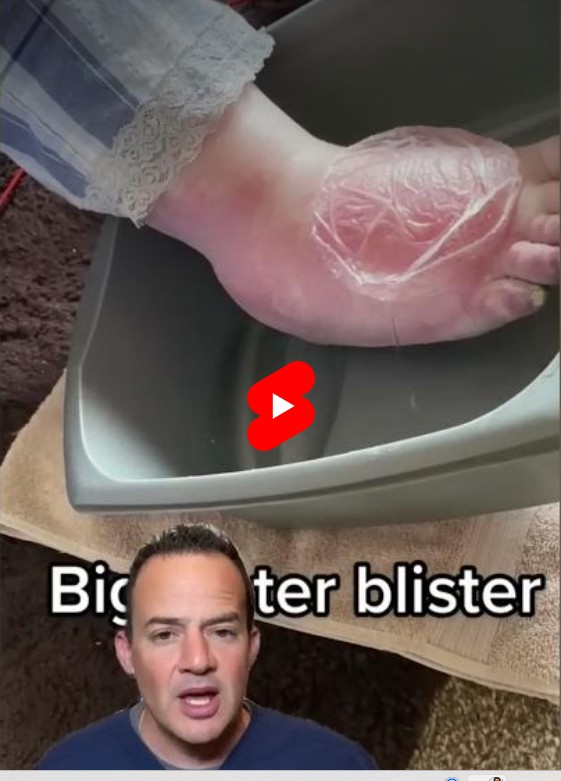
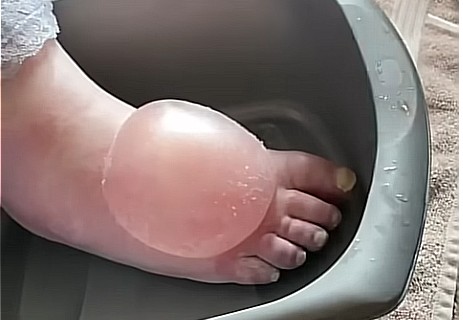
No matter the cause, a blister this large should never be popped at home. Opening it increases the risk of bacteria entering the wound, which can lead to infection, swelling, pus formation, and delayed healing. The skin covering the blister, called the blister roof, acts as a natural sterile dressing. Removing it too early exposes the sensitive skin underneath and can make the injury far more complicated.
Proper care begins with keeping the blister clean and protected. Gently washing the surrounding skin with mild soap and water helps reduce the risk of infection. Covering the blister with a clean, non-stick bandage or gauze provides cushioning and minimizes friction from daily activities. If the blister becomes too painful or too large to function normally, a healthcare professional may drain it using sterile techniques to avoid complications. Medical guidance is especially important if the blister shows signs of infection, such as increasing redness, warmth, foul odor, or the appearance of thick yellow fluid.
Individuals should also watch for signs of deeper burns or skin damage. A blister of this size caused by a burn might indicate a second-degree injury requiring medical evaluation. Burn-related blisters can lead to scarring or changes in skin texture if not properly treated. The hand is a vital part of everyday life, and injuries here need special attention to prevent long-term stiffness or sensitivity.
In conclusion, the large fluid-filled blister shown in the image is a sign of significant skin trauma that the body is working hard to protect. While it may be tempting to drain or pop such a blister, proper care, cleanliness, and medical support are essential to ensure safe healing. Understanding the causes and taking preventive measures—such as using gloves, avoiding excessive friction, and being cautious with heat—can help prevent serious blisters from forming in the future.