A cyst on the cheek can be frustrating, especially when it becomes swollen, painful, or noticeable. Many people, out of worry or impatience, attempt to pop the cyst at home. While this may seem like a quick solution, it is important to understand the risks, the reasons cysts form, and the safest steps to care for the skin afterward. “Cyst on Cheek Popped at Home” is a topic commonly searched by individuals looking for guidance after attempting to remove a cyst themselves. This article explains what happens when a cheek cyst is popped at home and why proper medical care is always the best choice.
A cyst on the cheek is typically a sebaceous cyst or epidermoid cyst, both of which form when a pore becomes blocked and traps oil, dead skin cells, or keratin beneath the surface. Over time, this trapped material creates a small sac or lump. Cysts are usually harmless, but they can become irritated or infected. When a person tries to squeeze or pop the cyst at home, the pressure may force bacteria deeper into the skin or cause the cyst wall to rupture internally. This often leads to swelling, inflammation, and a higher risk of infection.
When a cheek cyst is popped at home, the first reaction many people have is worry—about redness, pain, or the possibility of scarring. The skin on the face is delicate, and any forceful squeezing can damage surrounding tissue. Instead of removing the entire cyst, home popping often releases only a small amount of fluid while leaving the cyst sac inside. This means the cyst is very likely to return, sometimes larger or more painful than before.
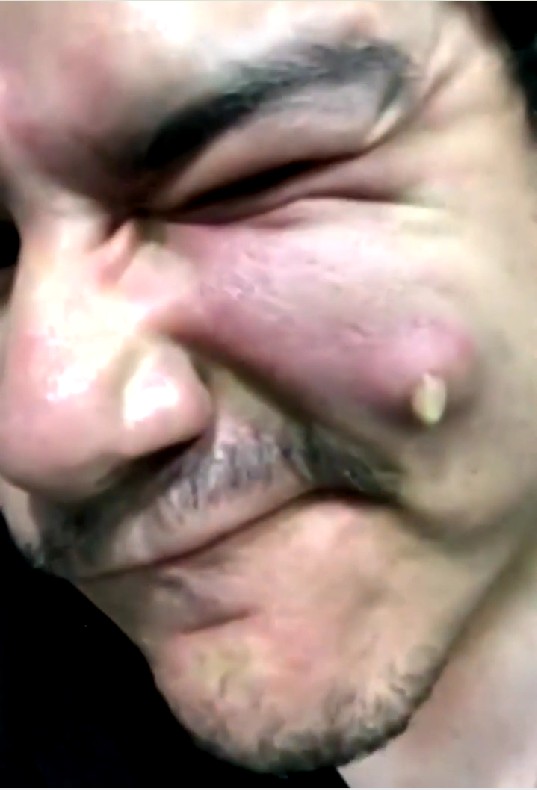
If someone has already popped a cyst at home, the most important step is gentle aftercare. The area should be washed carefully with mild soap and water to remove surface bacteria. Applying a clean, warm compress can help soothe irritation, but harsh scrubbing or further squeezing should be avoided. Over-the-counter antibiotic creams may help reduce the chance of infection, but if there is significant redness, warmth, swelling, or pus, it is essential to seek medical attention. These symptoms may indicate an infection that requires professional treatment.
A healthcare professional or dermatologist can evaluate the cyst and determine the safest method for removal. Medical removal is done under sterile conditions, often with a tiny incision that allows the entire cyst wall to be extracted. This greatly reduces the chance of recurrence and prevents the complications that often result from home popping. Doctors also consider cosmetic concerns, especially since the cheek is a highly visible area, and they take steps to minimize scarring.
It is understandable why people feel tempted to pop a cheek cyst at home, especially if it causes embarrassment or discomfort. However, the long-term risks outweigh the short-term satisfaction. Proper medical care ensures safety, prevents infection, and protects the appearance of the skin.
In summary, popping a cyst on the cheek at home is common but not advisable. Understanding the risks and knowing how to care for the skin afterward are essential. For long-lasting results and healthy skin, professional treatment is always the best option.