An enormous lipoma on the shoulder can be both physically uncomfortable and emotionally distressing. Lipomas are benign fatty tumors that grow slowly beneath the skin, often forming soft, movable lumps. While small lipomas typically cause no problems, a large or rapidly growing one can interfere with daily activities, restrict movement, or become painful due to pressure on nearby muscles and nerves. The removal of an enormous shoulder lipoma is a procedure that brings relief, restores comfort, and greatly improves a patient’s quality of life.
A lipoma develops when fat cells multiply in excess and form a mass within the subcutaneous tissue. Although the exact cause is not fully understood, genetics, minor injuries, and certain metabolic factors are believed to play a role. Most lipomas are harmless, but when located on the shoulder, they are more noticeable and can create visible asymmetry. For many individuals, the size and location of the lipoma become the main reasons for seeking medical removal.
The decision to remove a large shoulder lipoma usually begins with a clinical evaluation. A healthcare professional examines the lump, checking its texture, mobility, and size. In some cases, ultrasound or MRI imaging is ordered to confirm the diagnosis and ensure the mass is not attached to deeper structures. This step is essential, especially when dealing with an unusually large lipoma, because proper planning helps guarantee a safe and successful removal.
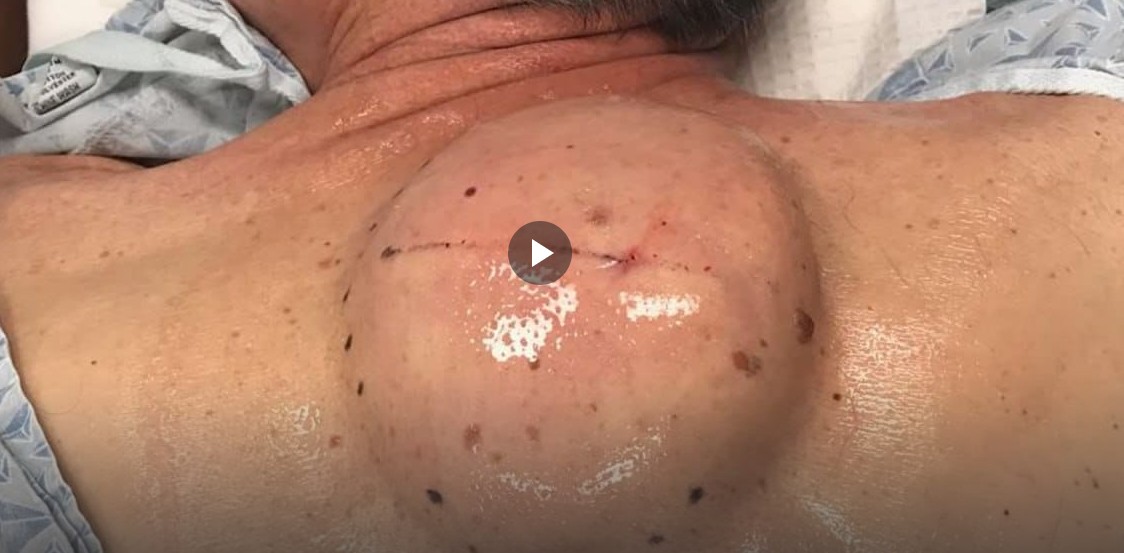
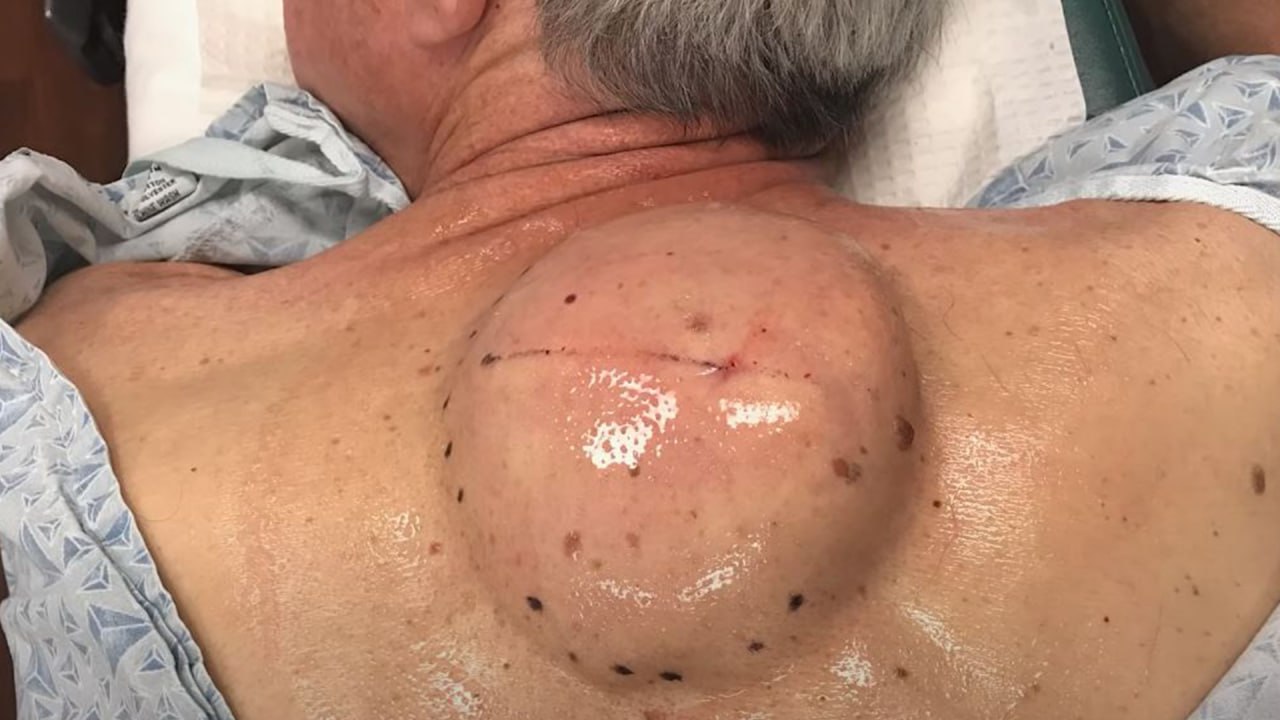
The removal procedure is typically performed under local anesthesia, but larger lipomas may require sedation or general anesthesia. Once the area is numb, the surgeon makes a small incision over the lipoma. Because lipomas are encapsulated tumors, they can often be removed in one piece by gently separating the fatty lump from surrounding tissues. For enormous shoulder lipomas, the surgeon must work carefully to avoid damaging nearby muscles, nerves, or blood vessels.
As the lipoma is lifted out, patients often express amazement at its size. Many lipomas grow quietly over years, so seeing the mass removed provides both physical and emotional relief. After the lipoma is extracted, the surgeon inspects the cavity to ensure all tissue has been removed, minimizing the chance of recurrence. The incision is then closed with dissolvable sutures or stitches, and a bandage is applied to protect the area.
Recovery from lipoma removal is usually straightforward. Patients may experience mild swelling, bruising, or soreness around the shoulder for a few days. Applying cold packs and taking prescribed pain medication help reduce discomfort. Most people can return to light activities within a short time, although heavy lifting or intense movement should be avoided until the wound heals completely.
One of the most rewarding outcomes of removing an enormous shoulder lipoma is the immediate improvement in appearance and comfort. Clothes fit better, shoulder movement becomes easier, and the sense of self-confidence often increases. Many patients also feel relieved knowing the mass has been completely removed.
Overall, the removal of an enormous shoulder lipoma is a safe and effective procedure that significantly enhances a patient’s daily life. With proper care, follow-up, and attention to healing, the shoulder returns to normal function, free from the weight and discomfort of the lipoma.
If you want another article or a shorter caption, feel free to ask!