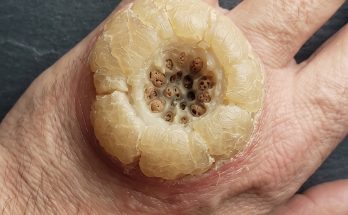
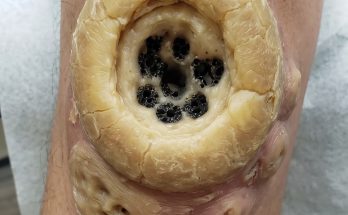
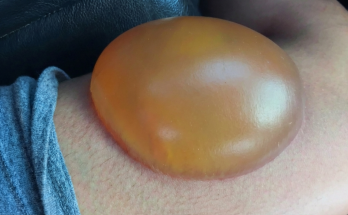
Burn blisters are painful bubbles of fluid that form on the skin after an injury caused by heat, steam, hot liquids, or friction. They act as the body’s natural protection, shielding the deeper layers of skin while healing takes place. Knowing how to treat a burn blister at home safely is important to prevent infection, reduce discomfort, and promote faster recovery. Although serious burns require medical care, many mild burn blisters can be treated effectively with careful home management.
The first and most important step in treating a burn blister is to cool the burn immediately. Hold the affected area under cool running water for 10 to 20 minutes. This helps stop the burning process, reduces swelling, and soothes the pain. Avoid using ice or extremely cold water, as this can damage the skin further. After cooling, gently pat the area dry with a clean cloth.
Once the burn has cooled, examine the blister. If the blister is small and intact, it is best to leave it unbroken. The clear fluid inside forms a sterile barrier that protects the wound beneath. Popping or draining it can increase the risk of infection, slow healing, and create more discomfort. If the blister accidentally breaks, do not peel the skin away—let it act as a natural bandage.
Clean the area using mild soap and water. After cleansing, apply a thin layer of aloe vera gel, burn ointment, or an over-the-counter antibiotic cream. Aloe vera is especially soothing because it reduces inflammation and moisturizes the skin. Avoid butter, toothpaste, or oil-based creams, as these can trap heat and cause further irritation.
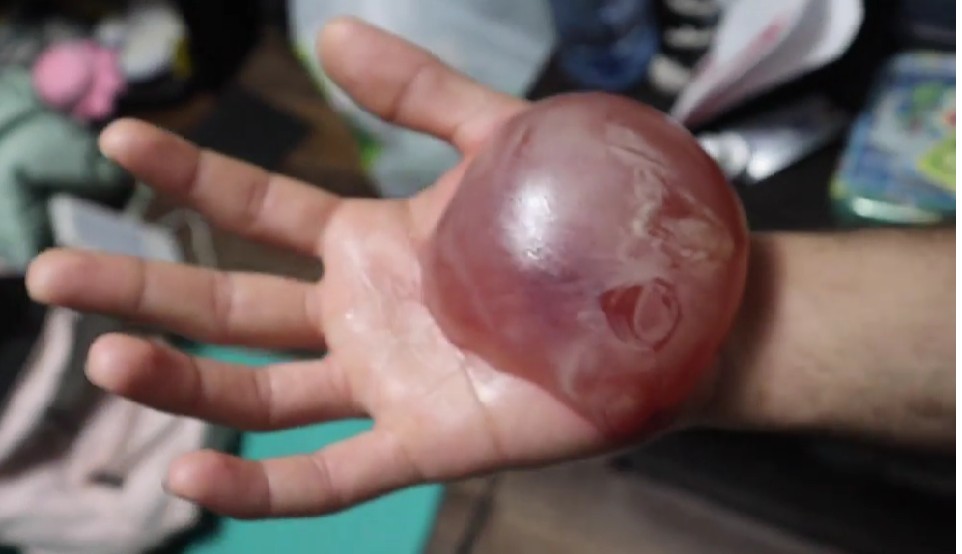
Next, cover the blister with a non-stick bandage or sterile gauze. This keeps the area protected from friction, dirt, and bacteria. Make sure the bandage is loose enough to avoid pressure on the blister. Change the dressing daily or whenever it becomes wet or dirty. During the first few days, the skin will remain sensitive, but protection helps the blister remain intact and reduces pain.
For pain relief, over-the-counter medications such as acetaminophen or ibuprofen can be used. These help reduce swelling and discomfort while the skin heals. Keeping the area elevated, if possible, also helps reduce swelling. Avoid wearing tight clothing or shoes over the blistered area, as pressure can cause the blister to break.
If the blister does break on its own, clean it gently and apply an antibiotic ointment to prevent infection. Cover it with a fresh non-stick bandage and keep a close eye on changes. Signs of infection include increasing redness, warmth, pus, or a foul smell. If any of these symptoms appear, medical attention is needed.
Most small burn blisters heal naturally within one to two weeks. As the healing progresses, the fluid inside will slowly be absorbed by the body, and the top layer of skin will dry and eventually fall off. Do not peel the skin prematurely, as doing so can expose tender layers underneath and delay healing.
Knowing how to treat a burn blister at home helps ensure safe recovery and reduces complications. With gentle care, proper cleaning, and protection, most burn blisters heal smoothly, restoring the skin’s natural strength and appearance.