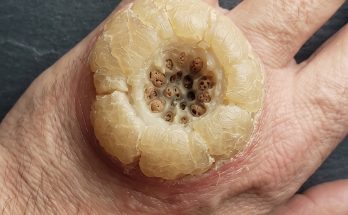
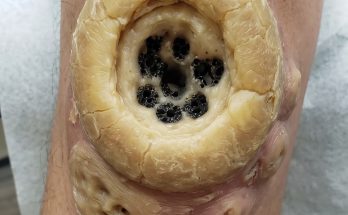
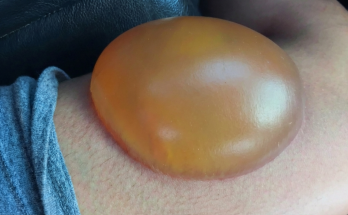
Skin inflammation and abscess formation are common conditions that can appear on different parts of the body, regardless of age or gender. In the image provided, the skin shows significant swelling, redness, and a buildup of pressure under the surface, along with the presence of white discharge. These signs suggest the possibility of an infection beneath the skin, which requires careful attention and proper care.
A swollen, painful bump like this often develops when bacteria enter through small openings in the skin, such as hair follicles, scratches, or clogged pores. When the body detects these bacteria, the immune system responds by sending white blood cells to fight the infection, which then forms pus. Over time, the infected area becomes warm, red, and swollen, eventually creating what is commonly known as an abscess or boil.
There are several reasons why abscesses form. Tight clothing, friction, unclean environments, blocked sweat glands, or untreated skin irritations can increase the risk of developing this type of infection. Sometimes, people are tempted to squeeze or press the swollen area to release the pus, thinking it will help relieve the pain. However, doing this without proper medical guidance can worsen the infection, push bacteria deeper, or cause the inflammation to spread.

Recognizing early symptoms is important for effective treatment. Typical signs include redness, heat, swelling, increased sensitivity to touch, and the presence of pus. If the area becomes larger, more painful, or starts producing continuous discharge, this indicates that the infection may be progressing and needs medical evaluation.
Proper care for an abscess begins with maintaining good hygiene. Cleaning the affected area with warm water, keeping it dry, and avoiding pressure or friction can help prevent the condition from worsening. Warm compresses applied to the skin can also help increase blood flow and encourage natural drainage. However, these methods are only appropriate for mild cases.
For severe swelling, intense redness, fever, excessive pain, or visible pus, seeking help from a healthcare professional is the safest choice. A doctor can safely drain the abscess using sterile techniques, preventing the spread of bacteria and reducing the risk of complications. They may also prescribe antibiotics to help clear the infection more effectively.
Preventing skin infections requires consistent care and awareness. Wearing clean, breathable clothing, avoiding tight outfits that cause friction, keeping the skin clean, and treating minor cuts or irritations early are simple yet effective ways to reduce the risk of developing abscesses. Avoiding the urge to squeeze or puncture swollen skin is also important, as it can make the situation worse instead of better.
In summary, the condition shown in the image represents a severe form of skin inflammation that should not be ignored. Understanding the symptoms, causes, and proper care methods can help prevent complications. When symptoms become intense or persistent, prompt medical attention is always the best and safest option.