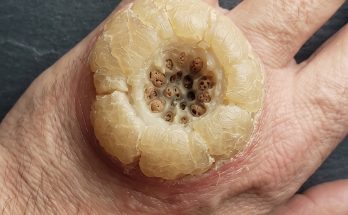
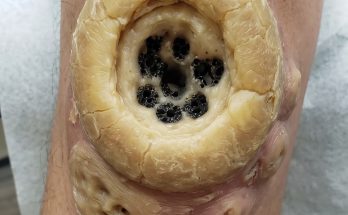
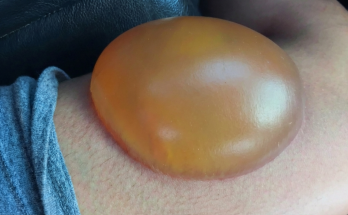
A big wart blister after freezing with liquid nitrogen is a common reaction that occurs following a procedure called cryotherapy. This treatment is widely used by dermatologists to remove warts, skin tags, and certain precancerous lesions. When liquid nitrogen is applied to the wart, it rapidly freezes the tissue, causing it to die so the body can naturally shed it. Although the process is safe, many people are surprised when a large blister forms within hours after treatment. Understanding why this happens and how to care for it can help reduce worry and promote proper healing.
Cryotherapy works by exposing the wart to extreme cold, usually around –196°C. This sudden freezing destroys the cells inside the wart, including the virus that caused it. As the tissue begins to break down, the body reacts by forming a blister. The blister may be clear, white, yellow, or even slightly bloody, depending on how deep the freeze penetrated. A big blister does not usually indicate a problem; rather, it shows that the treatment was effective and the skin is responding normally.
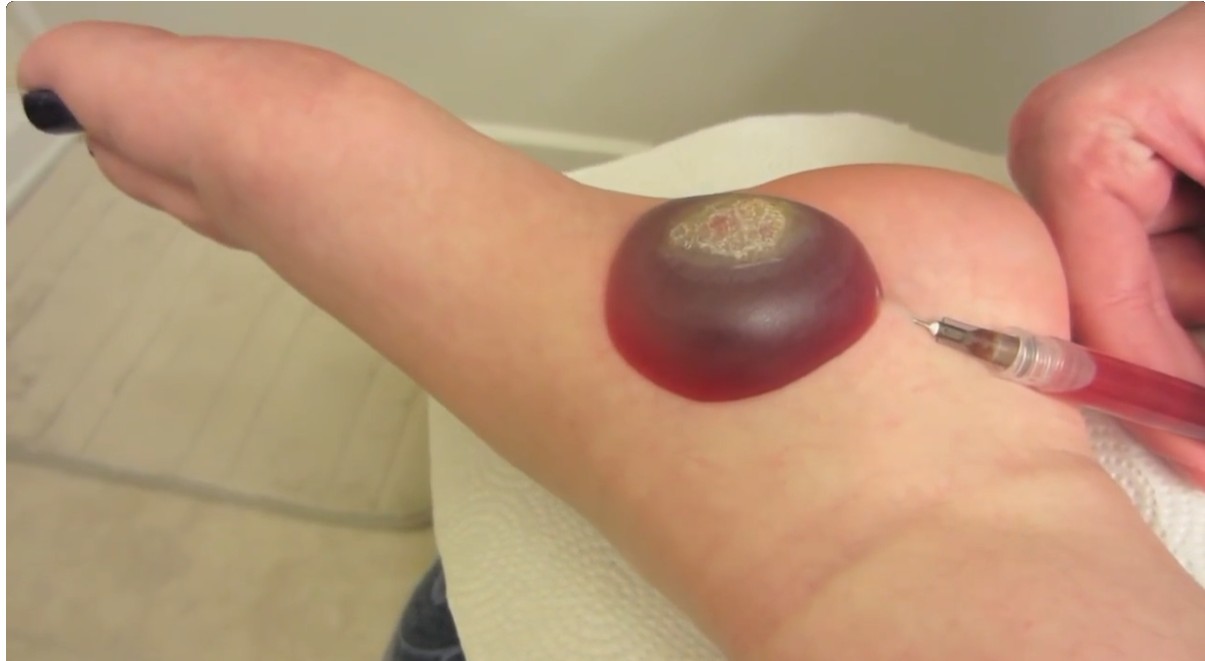
During the first 24 hours, the blister may grow larger or feel tight. Some people experience tenderness, mild throbbing, or warmth around the area. This is part of the healing process as the body sends fluid and immune cells to the site. Most large blisters remain intact, acting as a natural protective covering. It is important not to intentionally pop the blister, as this increases the risk of infection and may slow healing. If the blister accidentally breaks, keeping the area clean and covered becomes even more important.
Within a few days, the blister often begins to dry out. It may turn darker or develop a crust-like surface. Eventually, the blister will flatten and peel away, revealing fresh pink skin underneath. This new skin may look slightly different from the surrounding area, but it typically blends in over time. For some people, especially those with deep warts or thicker skin, the blister may take one to two weeks to disappear completely.
Proper aftercare plays a major role in preventing complications. Doctors usually recommend keeping the area clean with mild soap and water, avoiding harsh scrubbing, and applying a clean bandage if the blister is large. Over-the-counter pain relievers can help if the area feels sore. It is also important to avoid picking at the blister or removing the skin prematurely. Letting it fall off naturally ensures the best cosmetic outcome.
In rare cases, a blister may show signs of infection such as increasing redness, pus, or persistent pain. If any of these symptoms occur, medical attention is recommended. Some warts require multiple cryotherapy sessions to fully resolve, especially if they are long-lasting or located on pressure areas like the feet.
A big wart blister after freezing with liquid nitrogen may look alarming, but it is typically a normal and expected part of treatment. With patience and proper care, most people experience smooth healing and successful removal of the wart.