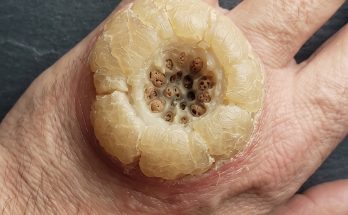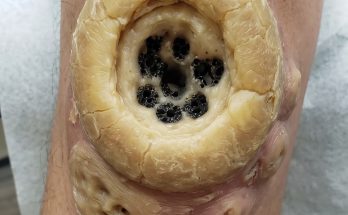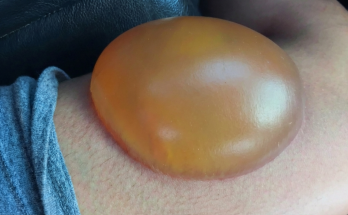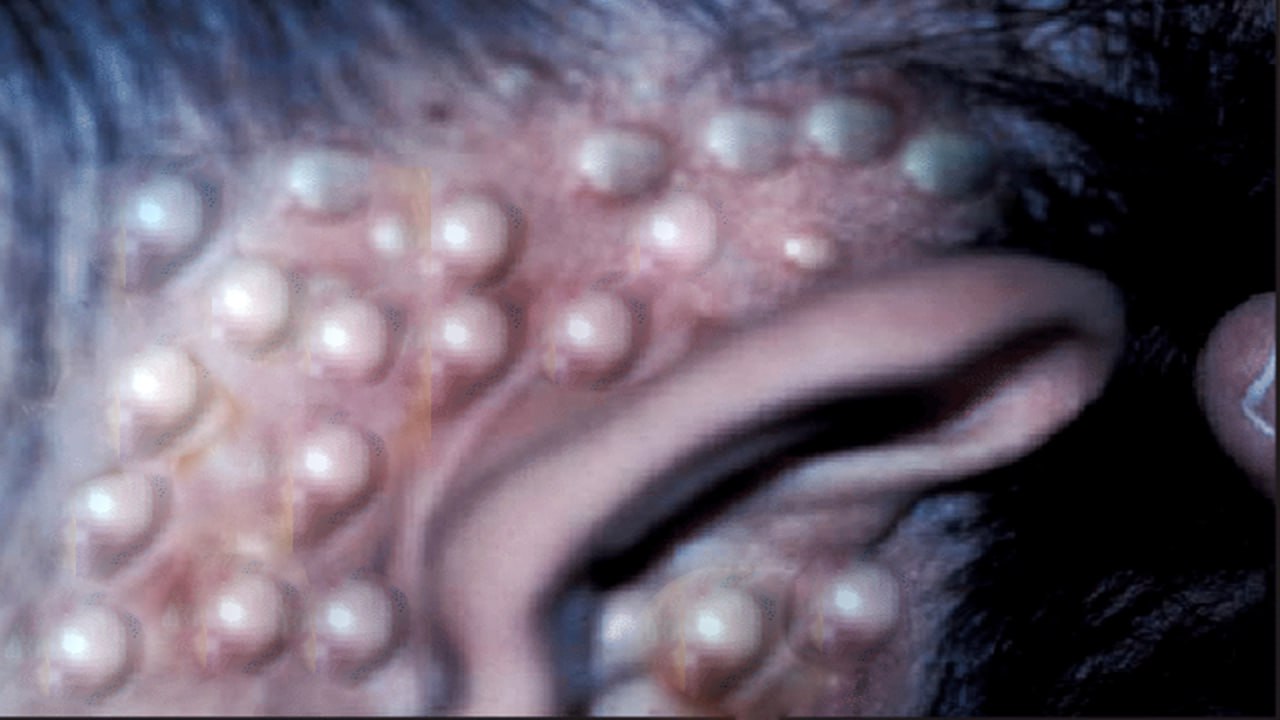
An infected ear cyst is a painful and uncomfortable condition that occurs when a small, normally harmless bump on or around the ear becomes irritated and invaded by bacteria. Ear cysts are typically slow-growing, soft or firm lumps that form beneath the skin. While many cysts remain harmless and require little attention, they can sometimes become infected, leading to swelling, redness, and noticeable discomfort. Understanding the causes, symptoms, and proper treatment of an infected ear cyst is essential to prevent complications and support healing.
Most ear cysts are sebaceous or epidermoid cysts. These occur when skin cells become trapped under the surface, creating a sac that fills with keratin or oil. They may develop for several reasons, including blocked hair follicles, minor skin trauma, acne, ingrown hairs, or hereditary factors. While cysts are generally not dangerous, they can become infected if bacteria enter through small cracks or irritation in the skin.
When an ear cyst becomes infected, the symptoms usually intensify. The cyst may grow larger, feel warm, and become more tender to the touch. The surrounding skin may turn red, and pressure can build up inside the cyst due to inflammation. People may experience throbbing discomfort, difficulty sleeping on the affected side, or a feeling of fullness in the ear. In some cases, fever may accompany the infection, signaling that the body is fighting bacteria.
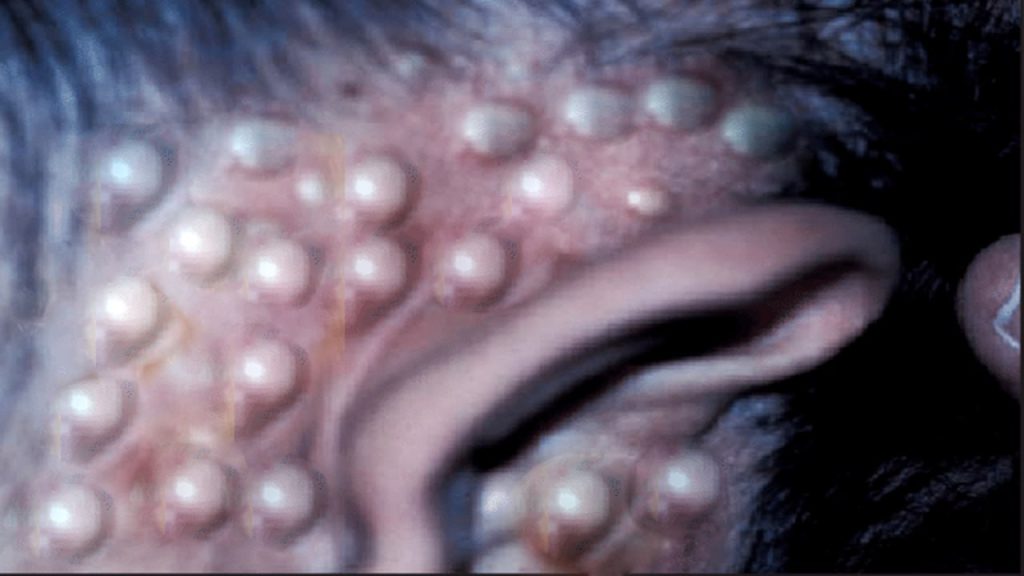
It is important **not** to squeeze or pop an infected ear cyst at home. Doing so can worsen the infection, push bacteria deeper under the skin, or lead to scarring. The safest and most effective way to treat an infected cyst is to seek medical attention, especially when symptoms become severe or persistent.
A healthcare professional will begin by examining the cyst to determine the level of infection. If the cyst is mildly inflamed, antibiotics may be prescribed to control the bacteria and reduce swelling. Warm compresses applied several times a day can help soothe the area and encourage natural healing by increasing blood flow. These simple measures often help reduce discomfort while preventing the infection from spreading.
For more advanced or painful infections, a doctor may need to perform a controlled drainage procedure. This is typically done under local anesthesia to ensure comfort. The doctor will clean the skin thoroughly, make a small opening in the cyst, and allow the trapped fluid to drain safely. Because the procedure is performed in a sterile environment, the risk of further infection is minimized. This method provides quick relief and helps prevent the cyst from bursting on its own, which can be unsafe.
After drainage, patients may continue taking antibiotics to ensure the infection clears completely. Keeping the area clean and avoiding unnecessary pressure on the ear helps promote healing. In some cases, once the infection has resolved, a doctor may recommend surgically removing the cyst sac to prevent it from returning in the future.
Preventing cyst infections begins with good hygiene and skin care. Avoid picking, scratching, or irritating bumps on the ear. Regularly cleaning the ears and avoiding the use of dirty earbuds, headphones, or earrings can also reduce the risk of bacterial contamination. For individuals prone to cysts, early treatment and monitoring are especially important.
In conclusion, an **infected ear cyst** is a manageable but potentially painful condition that requires proper care. Recognizing symptoms early and seeking professional treatment ensures safe healing and lowers the chance of recurrence.