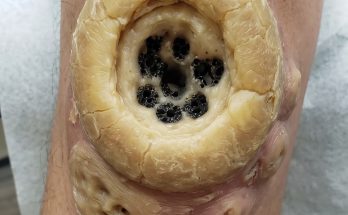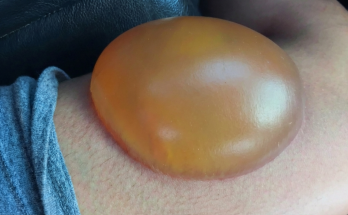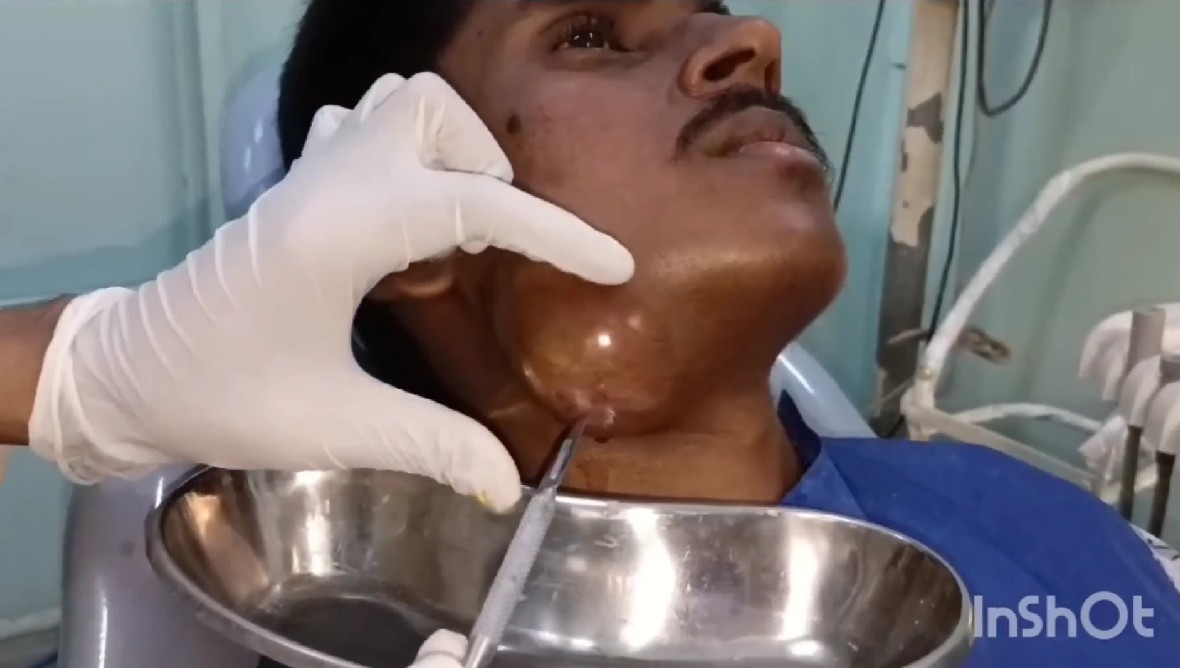
An external dental abscess is a painful and potentially serious condition that occurs when a bacterial infection spreads from a tooth to the surrounding tissues, eventually forming a pocket of pus. When the infection becomes severe, swelling can extend outward into the gums, cheek, or jawline, creating noticeable discomfort and visible inflammation. One of the most effective treatments for this condition is incision and drainage, a controlled medical procedure that helps remove the collected pus and relieve pressure. Understanding why dental abscesses form, how the procedure works, and what to expect afterward is important for ensuring proper healing.
A dental abscess usually begins with an untreated cavity, gum disease, cracked tooth, or previous dental trauma. When bacteria enter deeper parts of the tooth or gum, the body sends white blood cells to fight the infection. As the immune response increases, pus begins to accumulate. If the pus cannot escape naturally through the gum or tooth, it forms an abscess. When the abscess expands outward, causing swelling on the face or jaw, it becomes known as an external dental abscess.
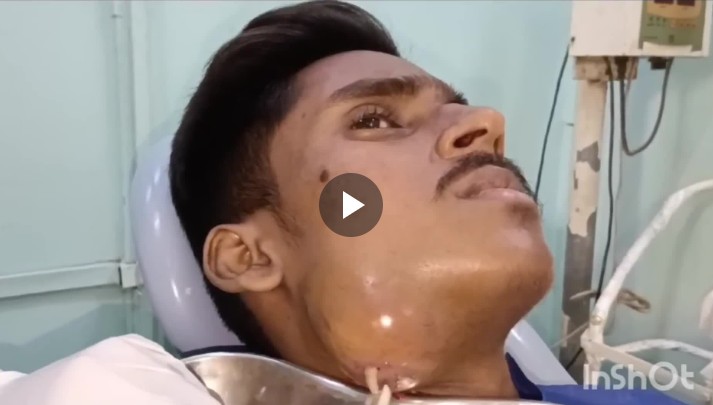
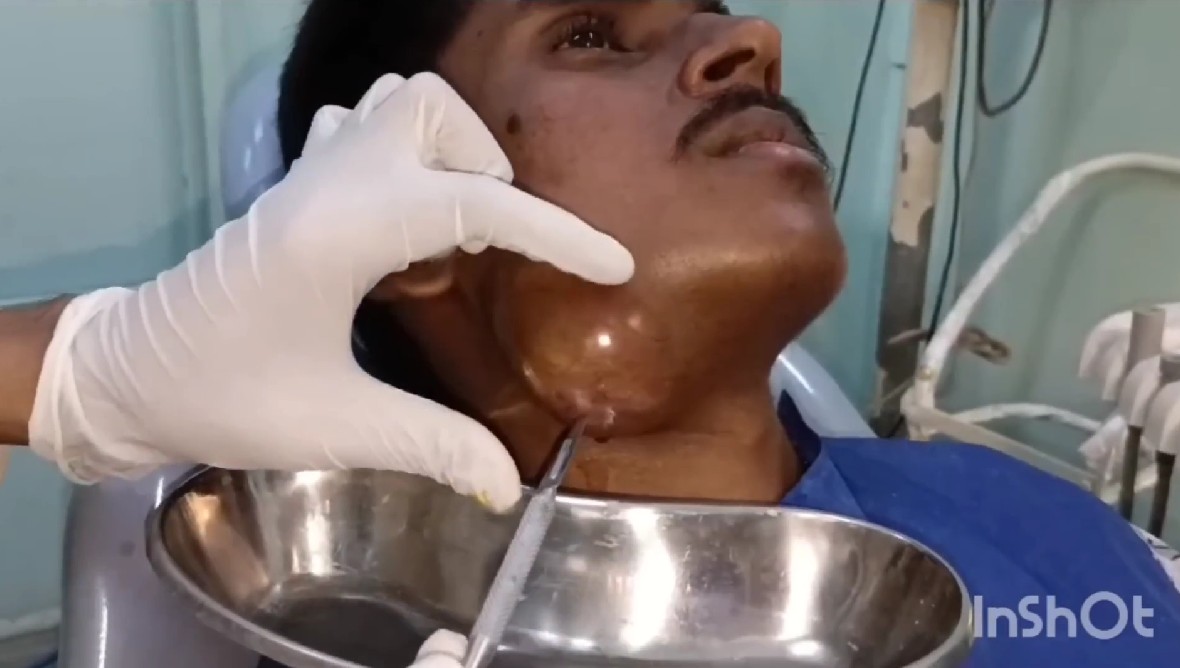
Symptoms are often intense and may include throbbing tooth pain, sensitivity to hot or cold, swelling of the face, fever, or difficulty chewing. In some cases, the skin over the swollen area may appear red or feel warm to the touch. Because the infection can spread to other parts of the body if left untreated, prompt dental care is essential.
Incision and drainage is a common and effective method for treating an external dental abscess. The procedure is performed by a dentist or oral surgeon. First, the area around the abscess is examined to determine the size and location of the swelling. The skin is then cleaned thoroughly with antiseptic to reduce the risk of further infection. Local anesthesia is given to numb the area, ensuring that the patient remains comfortable during the procedure.
Once the area is numb, the dentist makes a small, precise incision over the swollen region. This opening allows the trapped pus to drain out safely. As the pressure is released, patients often feel immediate relief from pain. After drainage, the area may be gently flushed with sterile solution to remove any remaining bacteria. In some cases, a small piece of sterile gauze or drain is temporarily placed in the incision to keep it open and allow continued drainage for a short period.
Following the procedure, patients are usually prescribed antibiotics to help eliminate the infection completely. Pain relief medication may also be recommended. Good oral hygiene, warm saltwater rinses, and avoiding pressure on the affected area can all support healing. Follow-up appointments are important to ensure the infection is fully resolved, and additional dental treatment—such as root canal therapy or tooth extraction—may be needed to address the underlying cause.
Preventing dental abscesses starts with consistent oral care. Brushing and flossing daily, visiting the dentist regularly, and treating dental problems early reduce the risk of infection. Avoiding sugary foods, protecting teeth from injury, and maintaining healthy gums also contribute to long-term prevention.
In summary, external dental abscess incision and drainage is a safe and effective treatment that offers quick relief and helps prevent complications. With professional care and proper aftercare, most patients heal well and regain comfort quickly.