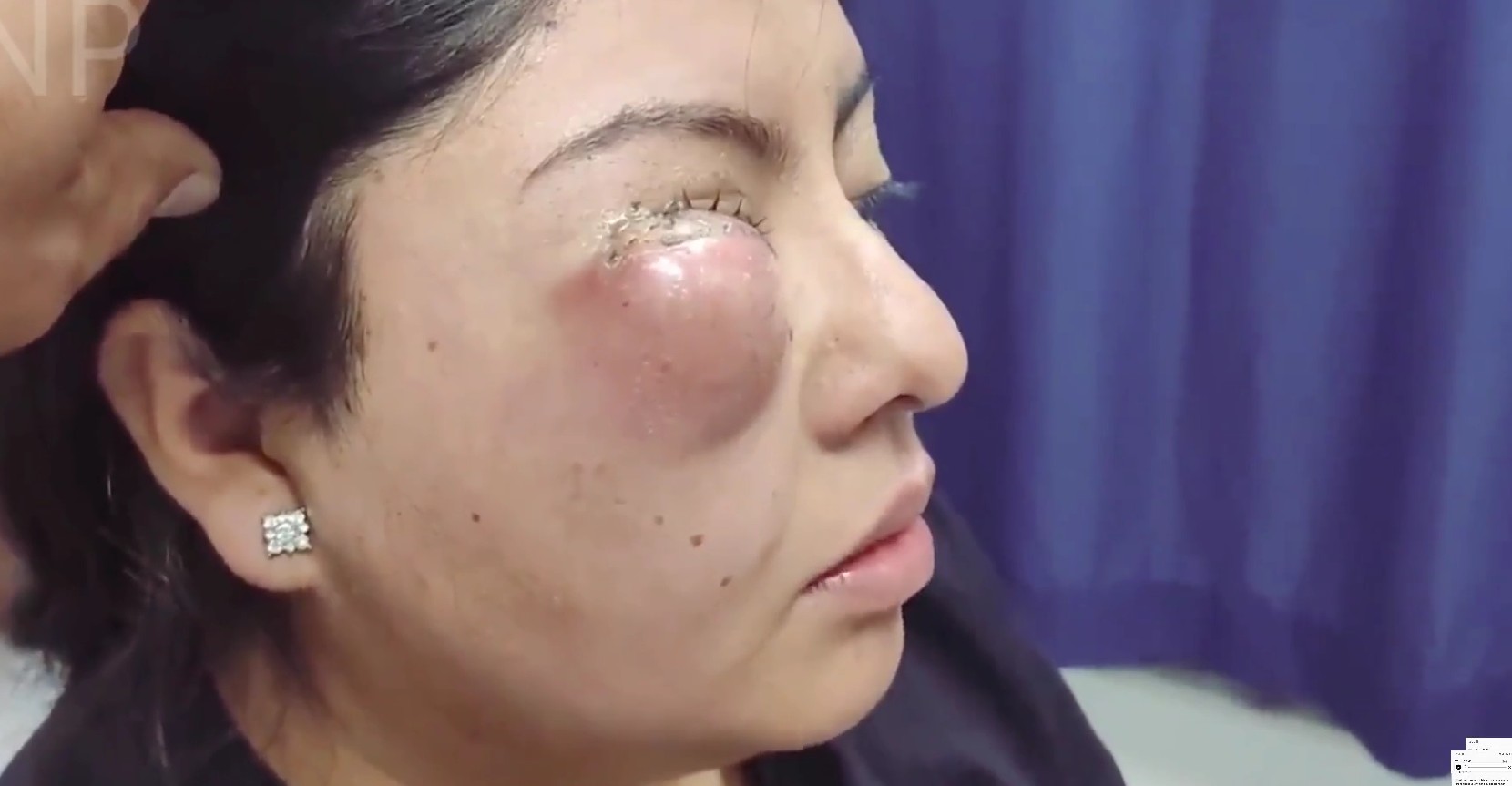
A large abscess on the eye is a serious condition that requires immediate attention. An abscess occurs when an area of tissue becomes infected and fills with pus, leading to swelling, pain, redness, and discomfort. When this happens near or around the eye, the situation becomes even more concerning because the eye is delicate and essential for vision. Understanding how a large eye abscess forms, what symptoms to look for, and the safest way to manage it can help prevent complications and protect long-term eye health.
Eye abscesses typically develop when bacteria enter the skin or tissue surrounding the eye. This can occur due to blocked glands, infected hair follicles, previous injury, or untreated eye infections. One common cause is a severe stye or chalazion that becomes infected. When bacteria multiply, the immune system reacts by sending white blood cells to fight the infection, and pus begins to accumulate. If the infection is not treated early, the swelling can enlarge and form a noticeable abscess.
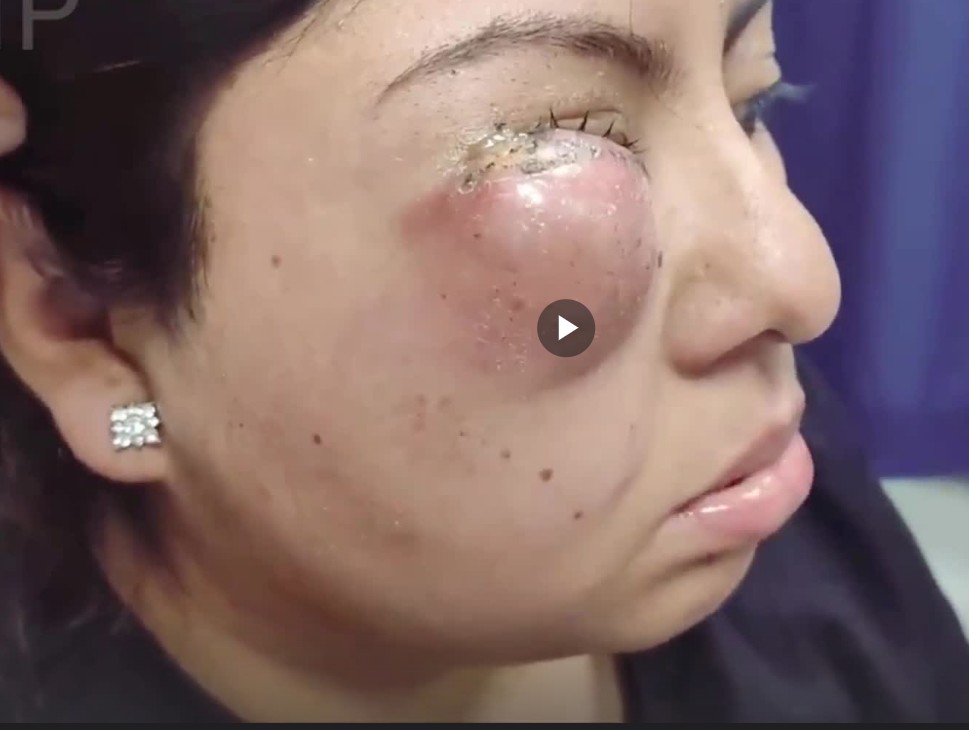
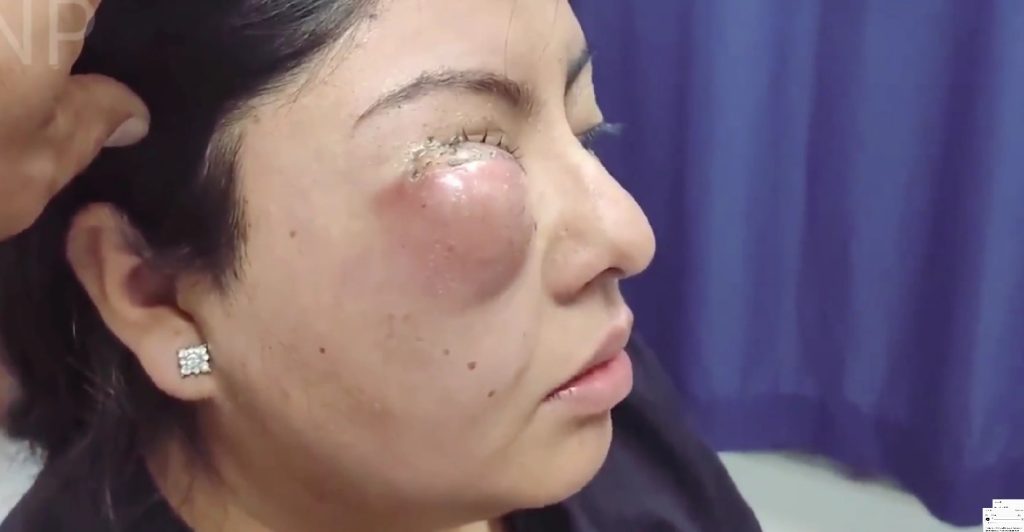
Symptoms of a large eye abscess usually appear quickly. Individuals may experience swelling around the eyelid, redness, pain, and tenderness when touching the area. The eyelid may feel heavy or droop slightly due to the swelling. Some people also report blurred vision or difficulty fully opening the eye. Warmth and pressure around the infected area are common indicators that an abscess is developing. When swelling becomes large, it may cause significant discomfort and interfere with normal daily activities.
It is important not to attempt popping or squeezing an abscess near the eye. The eye is extremely vulnerable, and improper handling can lead to serious consequences, including worsening infection or damage to the surrounding tissues. Instead, professional medical care is necessary. A doctor will examine the abscess carefully to determine the severity and appropriate treatment.
In many cases, medical professionals begin by prescribing antibiotics to control the infection. If the abscess is large or causing intense pressure, a doctor may perform a controlled drainage procedure. This involves cleaning the area thoroughly and making a small, precise opening to release the trapped fluid. This method helps reduce swelling and pain quickly while preventing the infection from spreading. The procedure is safe when performed by trained professionals who use sterile tools and techniques.
After drainage, patients are often advised to apply warm compresses at home to promote healing and improve blood flow. Keeping the area clean and avoiding touching or rubbing the eye are essential steps. Follow-up appointments may be necessary to ensure the eye is healing properly and no complications arise.
Preventing eye abscesses involves good hygiene and proper eye care. Washing hands before touching the face, avoiding the use of old makeup, and keeping the eyelids clean can reduce the chance of infections. For individuals prone to styes or blocked glands, gentle eyelid scrubbing with mild soap or special eyelid cleansers can be helpful.
In conclusion, a large abscess on the eye is a serious but treatable condition. Early medical care, proper hygiene, and safe treatment methods ensure faster healing and protect vision. Ignoring the symptoms or attempting self-treatment can lead to complications, so it is always best to rely on professional guidance.