Paronychia is a common infection that affects the skin around the toenail, causing swelling, redness, and sometimes the build-up of pus beneath the skin. Many people search for information about “Paronychia Toe Popping” when they experience pressure or fluid around the nail fold. While the idea of “popping” may sound like a quick fix, it is important to understand what paronychia is, why it occurs, and the safest way to manage it. This condition can become painful and potentially lead to complications if not handled properly.
Paronychia typically develops when bacteria or fungi enter the skin through tiny cuts or irritations around the nail. This can happen from common everyday habits such as trimming nails too short, peeling off hangnails, cutting cuticles, or wearing tight shoes that press on the toenail. Once bacteria enter the area, inflammation begins, and fluid may start to accumulate. The toe may become tender, warm, or swollen, especially near the nail edges.
When pus forms under the skin, people often feel pressure that makes walking uncomfortable. This is when many consider “popping” the infected spot. However, popping a paronychia at home is risky because improper drainage can worsen the infection, spread bacteria deeper into the toe, or damage the nail area. The safest approach is always to seek professional medical care, especially if the swelling is severe.
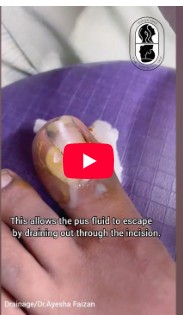
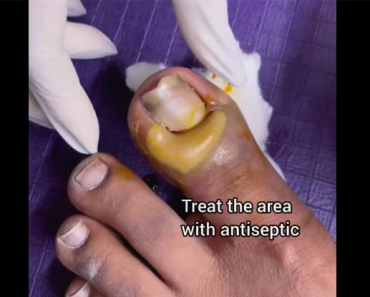
When handled by a healthcare professional, drainage of paronychia is a controlled and safe procedure. A doctor begins by cleaning the area thoroughly with antiseptic to reduce the risk of spreading infection. Once the skin is sterile, a small, precise incision may be made to release the trapped pus. This process helps reduce pain quickly because the pressure is relieved. After drainage, the area is cleaned again, and a sterile dressing is applied to keep it protected.
Doctors may also recommend warm saltwater soaks after the procedure to help the toe heal and reduce inflammation. In cases where the infection is more advanced or caused by bacteria, antibiotics may be prescribed to ensure complete recovery. For fungal paronychia, antifungal treatments may be needed. Following the doctor’s instructions is crucial for proper healing.
Preventing paronychia is much easier than treating a severe infection. Good foot hygiene is the first step. Keeping toenails clean and trimmed straight across can reduce irritation. Avoid cutting cuticles or peeling skin around the nails, as this creates openings for bacteria. Wearing comfortable shoes with enough space for the toes can prevent unnecessary pressure that leads to nail trauma.
For those who frequently experience paronychia, identifying habits that contribute to the condition is important. Nail biting, picking at skin, and exposing feet to dirty or wet environments for long periods can increase the risk of infection. Addressing these habits can significantly reduce the chances of experiencing painful episodes.
In summary, “Paronychia Toe Popping” refers to attempts to release pressure from an infected nail area, but doing this at home can be dangerous. The best approach is professional care, proper hygiene, and prevention. With the right treatment, paronychia heals well, and discomfort quickly improves.