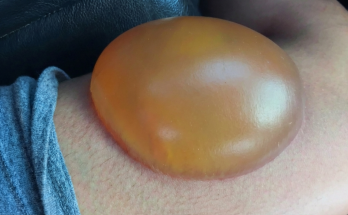
A blister on the foot is one of the most common skin problems people experience, especially those who spend long hours walking, exercising, or wearing tight shoes. But when a blister grows unusually large, it can become painful, alarming, and difficult to manage. The idea of the “biggest blister on foot ever drained” highlights a situation where a blister has reached a size that requires professional care and careful handling to prevent complications. Understanding how these blisters form, why they enlarge, and how they are safely drained can help anyone who encounters this uncomfortable condition.
Blisters on the foot typically form as a result of friction, burns, or irritation. When repeated rubbing occurs—such as from ill-fitting shoes, long-distance running, or prolonged standing—the outer layer of skin separates from the deeper layers. Fluid then collects in the space, creating a soft bubble-like structure. Normally, blisters are small and may heal on their own. However, if the friction continues or the skin becomes heavily irritated, the blister can continue growing and become extremely large.
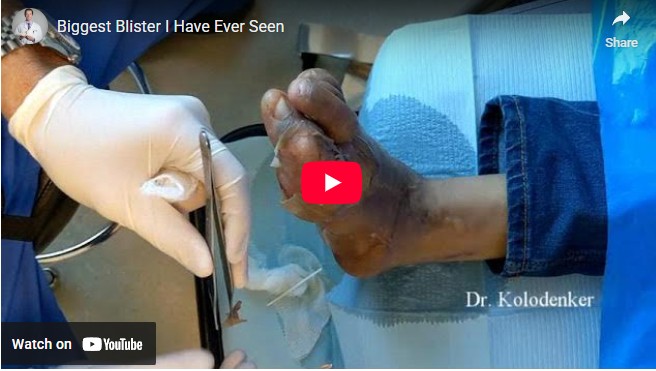
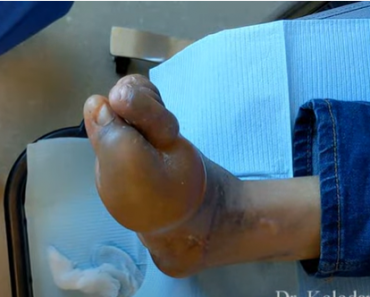
Large blisters on the foot can be painful, making it difficult to walk or even stand. The pressure inside the blister can increase, and the skin may feel tight or tender. In some cases, fluid accumulation may cause the blister to expand quickly, giving it an alarming appearance. When a blister reaches an unusually large size, draining it under safe and controlled conditions is often necessary.
The safest way to drain a huge blister is to have it done by a medical professional. Doctors follow proper sterilization techniques to minimize the risk of infection. Before draining, the area is cleaned thoroughly. A sterile needle or small incision is then used to release the trapped fluid while keeping the overlying skin as intact as possible. This skin acts like a natural bandage, protecting the underlying layers during the healing process.
Draining a large blister offers immediate relief. The pressure decreases, pain reduces, and patients often regain comfort when walking. However, drainage alone is not the end of the treatment. After the fluid is removed, the area must be dressed properly with clean gauze or a protective bandage. Keeping the blister clean and dry is crucial to avoid infection. If redness, warmth, or unusual discharge appears, medical attention may be needed.
It is important to note that attempting to drain a giant blister at home without proper knowledge or equipment can lead to complications. Poking or cutting the blister with unclean tools increases the risk of infection. Breaking the blister incorrectly may tear the skin too deeply or cause further injury. The foot is especially vulnerable to infection because of sweat, moisture, and constant pressure from walking.
Preventing huge blisters on the foot is always better than treating them. Wearing properly fitted shoes, using moisture-wicking socks, and applying protective padding during physical activities can significantly reduce friction. For individuals who are active or prone to blisters, checking the feet regularly and addressing small hotspots early can prevent blisters from becoming extremely large.
In conclusion, the “biggest blister on foot ever drained” is a strong reminder of how important proper blister care is. While large blisters can be uncomfortable and concerning, they are manageable with timely and safe treatment. Seeking professional help, following proper aftercare, and taking preventive steps ensure faster healing and lower risk of complications.