Dealing with a large cyst on the ear can be uncomfortable and concerning, especially when the cyst becomes swollen, painful, or filled with fluid. Many people search for information about how to “remove drainage large cyst on ear,” hoping to understand what causes these cysts and how they are safely treated. While ear cysts are usually benign, proper care and professional medical attention are essential for effective drainage and long-term healing.
A large ear cyst is often a sebaceous or epidermoid cyst, which forms when a skin gland or hair follicle becomes blocked. As dead skin cells or oil accumulate, a small sac develops under the skin. Over time, this sac may expand, becoming noticeable or uncomfortable. In some cases, bacteria can enter the cyst, resulting in inflammation, redness, or infection. When this occurs, drainage may be required to relieve pressure and begin the healing process.
The safest method for draining and removing a large cyst on the ear is to seek professional medical assistance. A doctor or dermatologist can evaluate the cyst to determine whether it is infected, what type it is, and which procedure is appropriate. Medical professionals use sterile equipment and controlled techniques, which help prevent complications such as spreading infection or damaging delicate ear tissue.
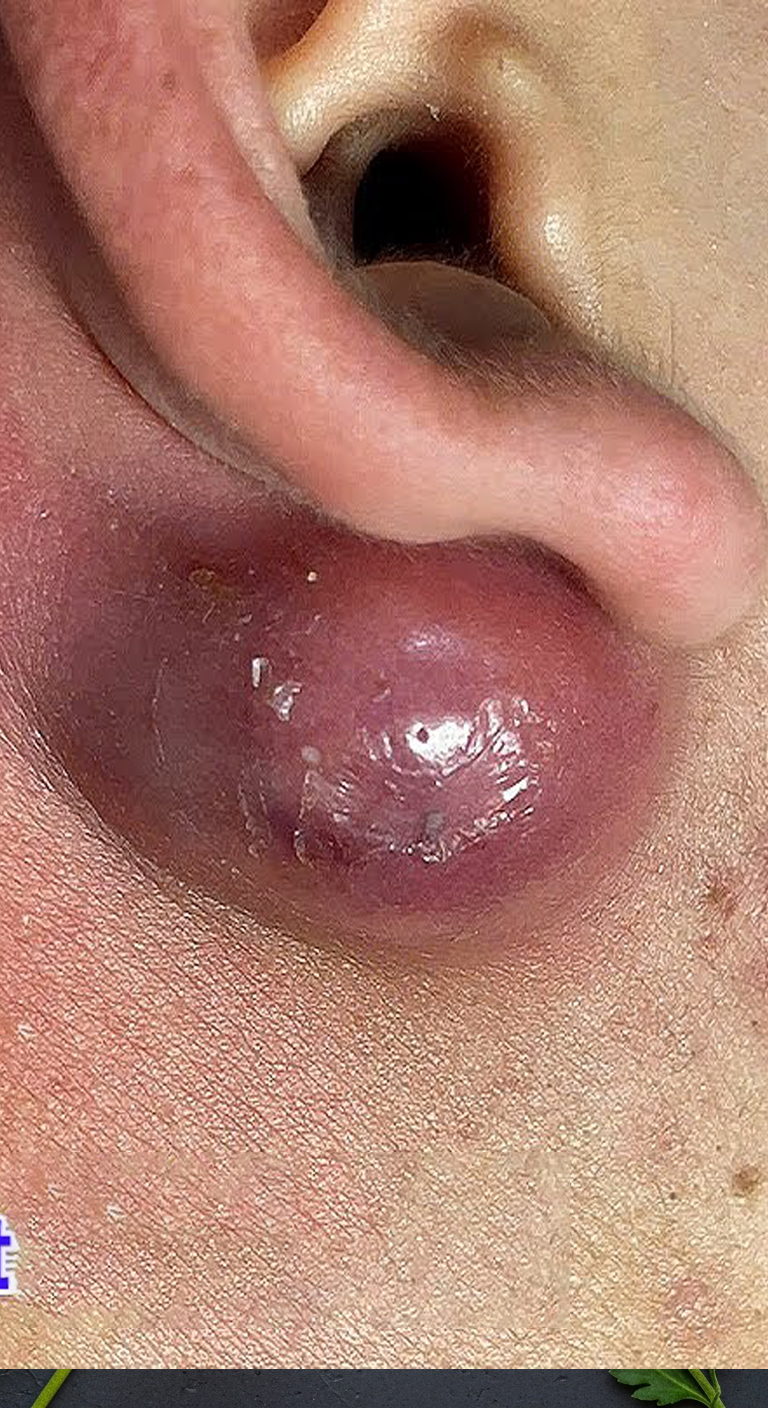
If the cyst is inflamed or infected, the doctor may recommend treating the infection first. This step could involve antibiotics or warm compresses to reduce swelling. Once the area is calmer and safer to operate on, the doctor may proceed with drainage. The procedure usually begins with numbing the area using local anesthesia to keep the patient comfortable. A small incision is then made to allow the trapped fluid or material to drain out. Proper drainage can significantly reduce pain and pressure.
However, drainage alone does not always remove the cyst permanently. To prevent recurrence, the entire cyst sac must be removed. Depending on the size and condition of the cyst, the doctor may decide to perform full excision after the drainage process or schedule it for a later date once inflammation has subsided. Removing the sac ensures that it does not refill or grow again.
It is extremely important not to attempt drainage at home. Squeezing, puncturing, or cutting a cyst without medical training can worsen the infection, cause injuries, or introduce bacteria deeper into the tissue. The ear is a sensitive area, and improper handling can lead to scarring, deformity, or more serious health issues. Professional treatment not only ensures safe removal but also reduces the risk of complications.
Post-procedure care is also essential. Doctors usually provide instructions on how to clean the area, protect the wound, and monitor any signs of infection. Healing time can vary depending on the size of the cyst and the complexity of the drainage, but most patients recover quickly with proper care.
In conclusion, removing and draining a large cyst on the ear is a straightforward and effective medical procedure when performed by trained professionals. Understanding the process helps individuals make informed and safe decisions. If you notice a painful or enlarging lump on your ear, seeking medical guidance is the best and safest solution.