Discovering a cyst on the ear can be worrying, especially when it begins to grow, change in appearance, or cause discomfort. Although most ear cysts are harmless, understanding what they are, why they form, and how they can be safely removed is important for anyone dealing with this condition. “Remove Cyst On Ear” is a topic that many people search for when they notice a small lump on or around the ear. This article provides a clear, informative overview of the causes, symptoms, and common medical approaches to removing ear cysts while avoiding harmful or unsafe practices.
Ear cysts are usually sebaceous cysts, also known as epidermoid cysts. They form when skin cells or oil glands become blocked, creating a small sac filled with keratin or oily material. These cysts can appear on the earlobe, behind the ear, or even within the cartilage. In most cases, they grow slowly and do not pose a serious health threat. However, some may become inflamed or infected, leading to redness, swelling, or tenderness.
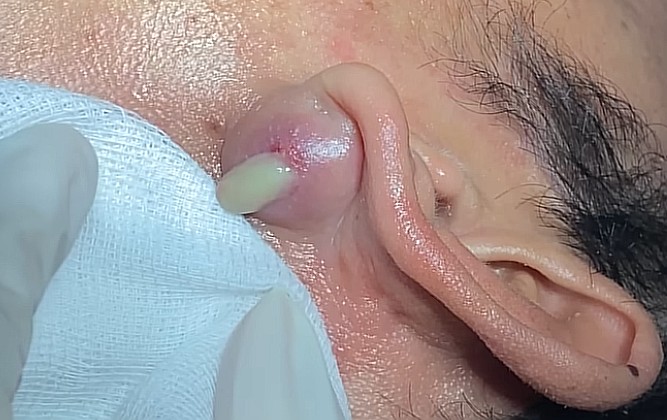
When it comes to removing a cyst on the ear, the safest approach is always professional medical care. Doctors or dermatologists are trained to assess the cyst, determine the cause, and perform removal using sterile tools and proper surgical techniques. Medical professionals may first evaluate whether the cyst is infected or simply enlarged. If an infection is present, treatment such as antibiotics might be given before removal to reduce inflammation and prevent complications.
The removal process itself typically involves a small incision to access the cyst and extract the sac completely. Removing the entire sac is essential to prevent the cyst from returning. This minor procedure is normally quick and performed under local anesthesia, allowing the patient to remain comfortable throughout. Because the ear is a sensitive and visible area, trained specialists take extra care to minimize scarring.
It is strongly discouraged to squeeze, pop, or cut a cyst at home. Doing so can push bacteria deeper into the skin, increase inflammation, or lead to an infection. Home attempts may also fail to remove the cyst wall, causing it to come back larger or more painful. In severe cases, improper handling can damage surrounding ear tissue. That is why professional guidance is the safest and most effective option.
After removal, doctors often provide instructions on cleaning the area, monitoring for signs of infection, and avoiding activities that could irritate the ear. Healing time varies depending on the cyst’s size and location, but most people recover quickly with minimal discomfort. Follow-up visits may be recommended to ensure the cyst does not recur.
In summary, ear cysts are generally harmless, but removing them should always be done with the help of a medical professional. Understanding the causes, symptoms, and proper treatment methods can help individuals make informed and safe decisions. If you notice a lump forming on your ear, seeking medical advice is the best step toward effective and long-lasting removal.