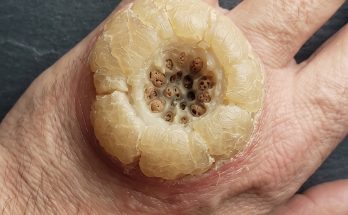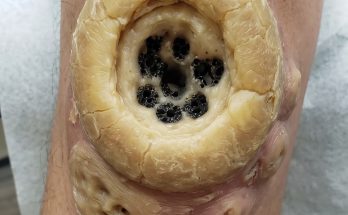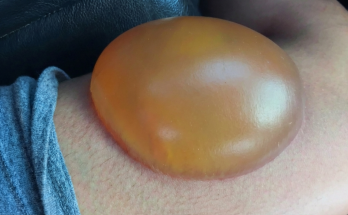
Drainage of an infected cyst is a common medical procedure performed to relieve pain, remove pus, and stop the spread of infection. When a cyst becomes infected, it fills with bacteria, dead cells, and thick pus, causing the area to swell, redden, and become extremely tender. Because the skin becomes tight and pressure builds inside the cyst, many people experience sharp, throbbing pain. Proper drainage by a healthcare professional is the safest and most effective way to treat an infected cyst and prevent complications.

An infected cyst can form anywhere on the body, but it most often occurs in areas with high oil production, friction, or hair growth. The infection is usually caused by bacteria such as Staphylococcus aureus, which can enter the cyst through a tiny opening or from squeezing it at home. Once infected, the cyst becomes inflamed and may grow rapidly in size. Signs of infection include warmth, redness, swelling, pus discharge, and sometimes fever. At this stage, attempting to pop the cyst on your own is dangerous and can push bacteria deeper into the tissue.
The drainage procedure begins with a medical evaluation. A doctor will examine the cyst to determine whether it is ready for drainage. If the cyst is filled with soft pus, it is considered “ripe” and safe to open. First, the area is cleaned thoroughly with antiseptic to minimize the risk of further infection. Local anesthesia may be injected around the cyst so that the patient feels little to no pain during the procedure.
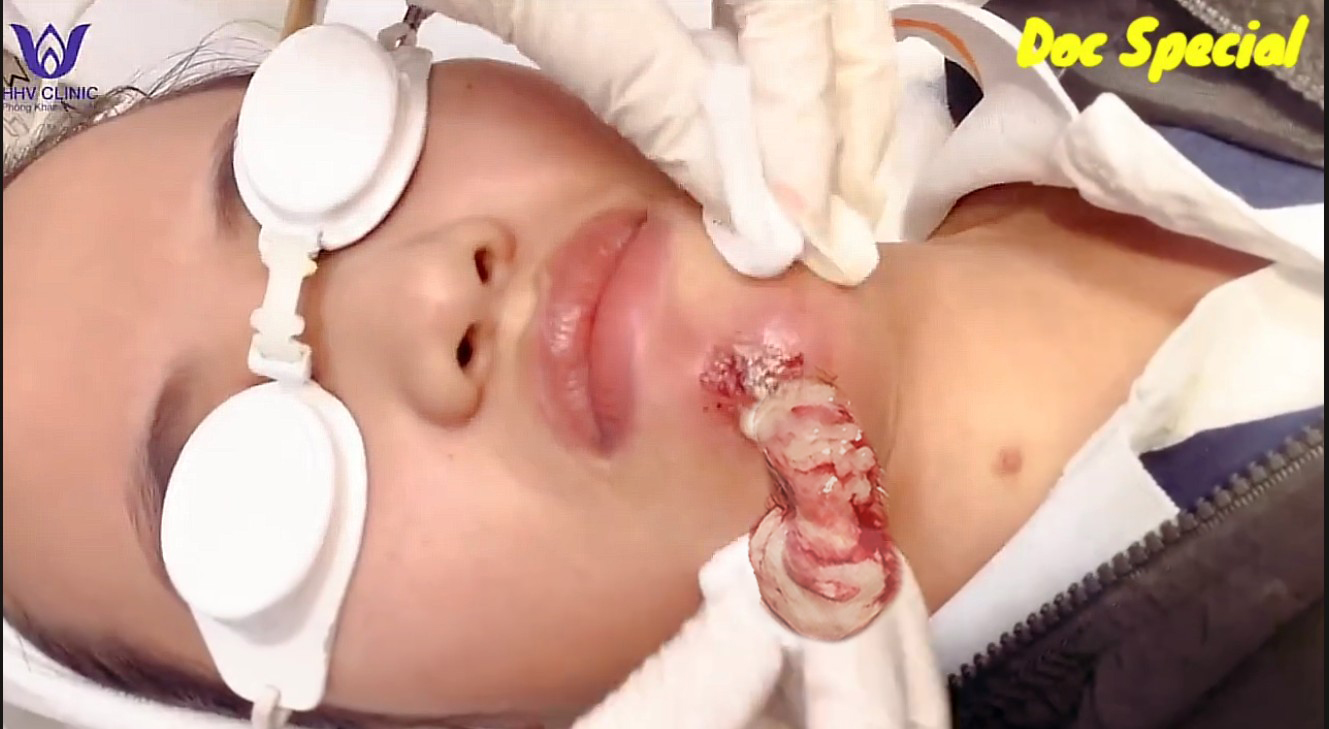
Once the area is numb, the doctor makes a small incision directly over the cyst. This allows the trapped pus to escape. Thick, yellow or white material is usually drained out slowly. In some cases, pressure is applied gently to help remove all the contents. The doctor will also clean the inside of the cyst cavity to remove any remaining debris. In severe infections, a small piece of sterile gauze may be inserted into the cavity to keep it open and allow continuous drainage over the next few days. This helps the wound heal from the inside out and prevents pus from building up again.
After drainage, the patient is given instructions for wound care to ensure a smooth recovery. The area must be kept clean and covered with a sterile dressing, which should be changed daily. Antibiotic ointment may be applied to prevent reinfection. If the infection was severe, the doctor might prescribe oral antibiotics. Pain after the procedure is usually mild and can be managed with over-the-counter pain relievers.
It’s important to understand that draining the cyst removes the infection, but not the cyst wall. The cyst sac remains under the skin and may refill in the future. Once the infection clears, many doctors recommend surgical removal of the cyst wall to prevent recurrence. This is a minor procedure and is usually done in a clinic under local anesthesia.
In conclusion, drainage of an infected cyst is a safe and effective procedure that provides quick relief from pain and swelling. It prevents the infection from spreading and speeds up healing. Proper medical care, combined with good hygiene and follow-up treatment, ensures that the cyst heals correctly and reduces the risk of future complications.