Popping a Cyst on the Cheek
A cyst on the cheek can be both uncomfortable and distressing because it appears in such a visible area of the face. Cysts are closed sacs filled with fluid, pus, or semi-solid material that develop beneath the skin. When one forms on the cheek, it can cause swelling, redness, and tenderness. Many people feel the urge to pop a cyst on the cheek to relieve the pressure or improve appearance. However, popping a cyst incorrectly can lead to infection, scarring, or even make the cyst worse. Understanding how to handle a cheek cyst safely is very important for your skin’s health.
First, it’s essential to understand what causes cysts on the cheek. The most common type is a sebaceous or epidermoid cyst, which forms when hair follicles or oil glands become blocked. Excess oil, dead skin cells, and bacteria can get trapped under the skin, creating a lump that slowly grows over time. Hormonal changes, acne, or poor hygiene can also increase the chances of developing cysts on the face.
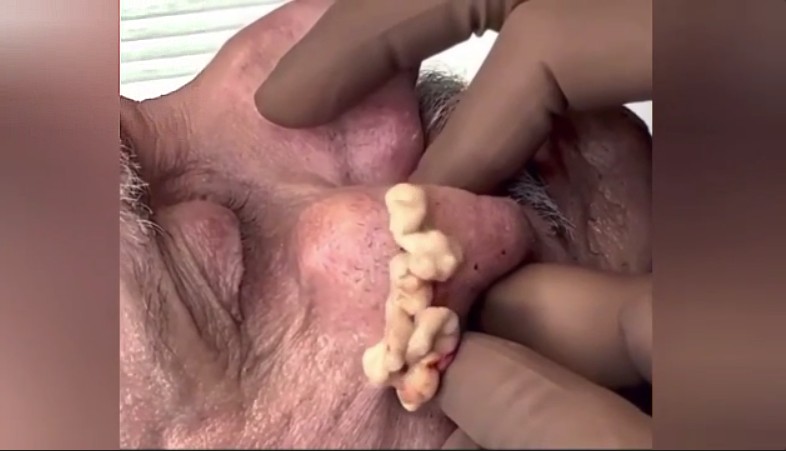
If a cyst on your cheek is small and not painful, the best option is often to leave it alone. Your body may absorb the contents naturally, and the cyst could shrink over time. Applying a warm compress for 10–15 minutes a few times a day can help soften the cyst and promote natural drainage. The heat increases blood flow, helping the body’s immune system clear the blockage without squeezing.
However, if the cyst becomes swollen, red, or painful, it may be filled with pus or infected. In such cases, popping the cyst yourself is risky. The cheek is a sensitive area rich in nerves and blood vessels. Improper squeezing can spread infection deeper into the skin or cause permanent scarring. Instead of popping it at home, it’s safer to visit a dermatologist or healthcare professional who can drain the cyst in a sterile environment.
For educational purposes, if a cyst must be drained, the proper method involves sterilization and gentle care. First, the skin and hands must be cleaned with soap and antiseptic. A sterile needle or surgical blade is used to make a small opening in the cyst. The contents are then gently pressed out without applying excessive force. After drainage, the area is cleaned again, and antibiotic ointment is applied to prevent infection.
It’s also important to note that draining the cyst only removes the fluid, not the cyst wall. If the cyst sac remains under the skin, it can refill later. For permanent removal, doctors often perform a minor surgical procedure to excise the entire cyst sac. This prevents the cyst from returning and reduces the chance of scarring.
Aftercare is essential. Keep the area clean, avoid touching it, and apply antibiotic cream as needed. If redness, swelling, or pain increases after drainage, seek medical attention immediately, as these are signs of infection.
In conclusion, while popping a cyst on the cheek might seem like a quick fix, it can lead to more harm than good if not done properly. Always prioritize hygiene, patience, and professional help when dealing with cysts on your face. Proper care ensures faster healing and helps maintain clear, healthy skin.