Popping a Large Cyst on the Thigh
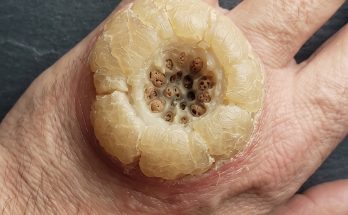
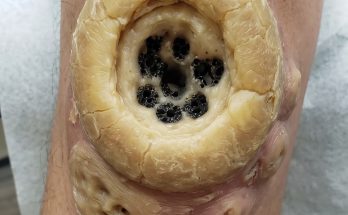
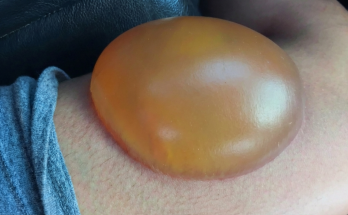
A large cyst on the thigh can be painful, swollen, and uncomfortable, especially when walking, sitting, or wearing tight clothing. The thigh is one of the most common areas where cysts can form because of friction, sweating, and blocked hair follicles. A cyst usually appears as a soft or firm lump under the skin that may slowly grow in size. While it may be tempting to pop a large cyst on your thigh to relieve pressure, doing so incorrectly can cause infection or scarring. Understanding how to handle it safely is essential for preventing complications.
Cysts form when oil glands or hair follicles become blocked, trapping dead skin cells, sebum (natural oil), and sometimes bacteria beneath the skin. Over time, the trapped material creates a sac filled with a thick, white or yellowish substance. Common causes of thigh cysts include friction from clothing, shaving, sweating, or ingrown hairs. Some cysts may remain small and painless, while others can become large and inflamed, leading to tenderness or redness.
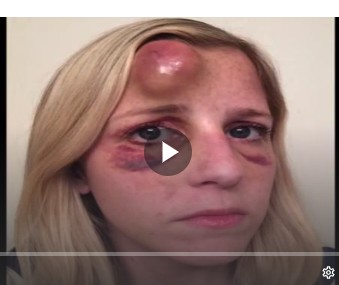
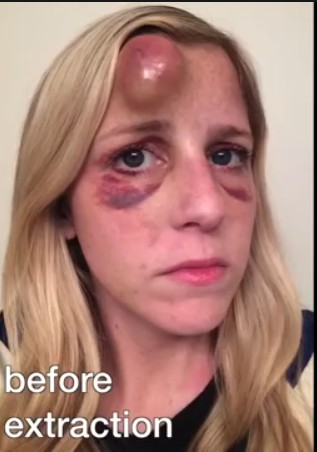
Before you consider popping a large cyst, you must understand that not all cysts should be drained at home. Large or infected cysts often require professional medical treatment. If you try to pop it yourself without proper sterilization, bacteria from your skin or hands can enter the open wound and cause an abscess—a deeper and more painful infection.
If the cyst is not infected and you decide to drain it, it’s crucial to maintain a sterile environment. Start by washing your hands thoroughly with soap and warm water. Clean the cyst and surrounding area with an antiseptic solution such as rubbing alcohol. Then, using a sterilized needle, gently puncture the top of the cyst near its center. Avoid pressing or squeezing too hard, as this can push the contents deeper into the tissue and cause inflammation.
Once the cyst begins to drain, use clean gauze to gently absorb the fluid. The material that comes out may look thick, white, or yellowish. Do not attempt to remove every bit of the cyst sac yourself, as this part is embedded under the skin and may require surgical removal. After draining, clean the area again with antiseptic and apply an antibiotic ointment to prevent infection. Cover it with a sterile bandage, and change the dressing daily until the wound heals.
If the cyst becomes red, swollen, or warm to the touch, or if pus starts to form again, see a doctor immediately. These are signs of infection or recurrence. A healthcare provider can perform a minor surgical procedure to remove the entire cyst wall, preventing it from coming back. They may also prescribe antibiotics if the infection is severe.
To prevent cysts from forming on your thigh, keep the area clean and dry, wear loose clothing, and avoid shaving or using irritating products on the skin. Regular exfoliation can also help remove dead skin cells and reduce the chance of blocked pores.
In conclusion, popping a large cyst on the thigh can bring temporary relief, but it carries risks if done improperly. The safest approach is to keep the area clean, avoid squeezing forcefully, and seek medical help for large or painful cysts. Proper care ensures faster healing, reduces infection risk, and helps maintain healthy skin in the long run.