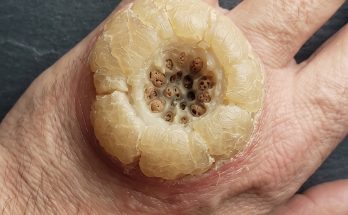
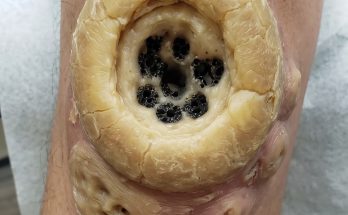
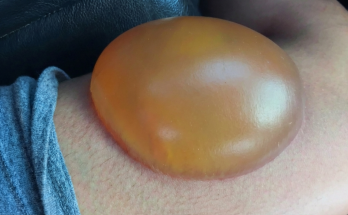
A giant blister can be both painful and uncomfortable, especially if it forms in a sensitive or high-friction area such as the foot, heel, or hand. Blisters are small pockets of fluid trapped under the upper layer of the skin, usually caused by friction, burns, or irritation. When a blister becomes large and filled with clear fluid or even blood, it can create pressure and make walking or moving difficult. While the urge to pop a giant blister is understandable, doing so improperly can lead to infection or delayed healing. Therefore, knowing how to safely manage or pop a blister is essential for proper care.
First, it’s important to understand why blisters form. Blisters act as the body’s natural defense mechanism. The fluid inside—called serum—protects the underlying skin from further damage and helps it heal. Common causes include repetitive rubbing from tight shoes, burns from heat or sun exposure, allergic reactions, or infections. A giant blister, in particular, may develop when friction continues for an extended period without relief, or when the skin is severely irritated.
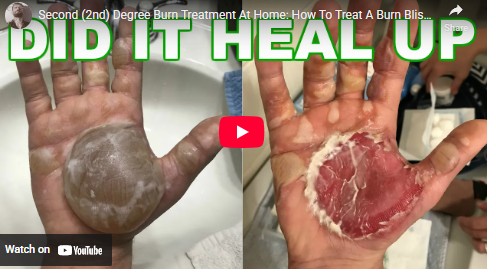
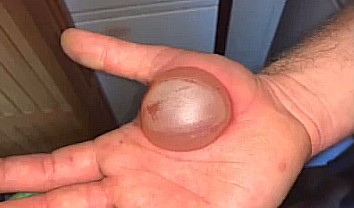
Before deciding to pop a blister, you should consider whether it’s necessary. If the blister is small, clean, and not causing pain, it’s best to leave it alone. The blister will naturally reabsorb the fluid and heal by itself within a few days. However, if the blister is large, tense, and painful, or if it’s located in a spot where it’s likely to burst on its own, careful drainage can relieve discomfort and prevent uncontrolled rupture.
To pop a giant blister safely, sterility and gentleness are key. Begin by washing your hands thoroughly with soap and warm water. Clean the surface of the blister with an antiseptic such as iodine or rubbing alcohol. Next, take a sterilized needle (you can sterilize it by heating it over a flame or dipping it in alcohol) and gently puncture the edge of the blister in two or three spots. Avoid removing the top layer of skin — this “roof” protects the raw tissue underneath and prevents infection. Gently press on the blister to allow the fluid to drain out slowly.
After drainage, apply an antibiotic ointment to the area and cover it with a clean, sterile bandage or gauze. Change the dressing daily or whenever it gets wet or dirty. Keep the blistered area clean and dry, and avoid applying pressure until it has fully healed. If the blister refills with fluid, you can repeat the process carefully.
However, if you notice signs of infection, such as redness, warmth, swelling, or pus, seek medical attention immediately. Infected blisters may require professional drainage or antibiotics. People with diabetes or poor circulation should never pop blisters on their own, as their wounds heal more slowly and infections can spread quickly.
In conclusion, popping a giant blister can provide instant relief, but it must be done correctly. The goal is to reduce pressure without causing infection or further damage. With proper cleaning, drainage, and aftercare, the skin can heal smoothly and safely. Always remember that patience and cleanliness are the best tools for healthy healing.