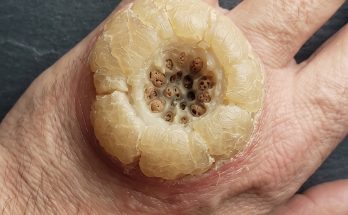
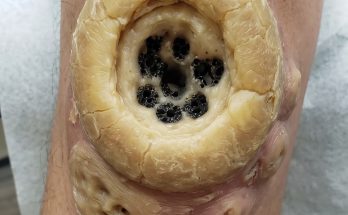
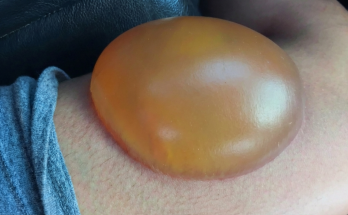
A cyst is a sac-like bump that can form under the skin, filled with fluid, pus, or keratin. Cysts can develop anywhere on the body, such as the face, neck, back, or scalp. While many cysts are harmless, they can sometimes become painful, swollen, or infected, leading people to consider popping them at home. However, it’s important to understand the **safe and correct way** to handle a cyst, because improper popping can lead to infection, scarring, or recurrence.
Before popping a cyst, it’s crucial to **identify the type** you have. The most common type is an *epidermoid cyst*, which usually forms when a hair follicle becomes blocked. Another is a *sebaceous cyst*, caused by the buildup of oil under the skin. If your cyst is large, red, painful, or warm to the touch, it may be infected — and in that case, you should not attempt to pop it yourself. It’s best to see a dermatologist or medical professional.
If the cyst is small and not inflamed, you can try some **home care methods** to reduce its size safely. Applying a warm compress several times a day helps increase blood circulation and soften the cyst, encouraging natural drainage. Keep the area clean by washing with mild soap and water, and avoid squeezing or picking at the cyst forcefully. Often, with gentle care, a cyst will drain on its own over time.
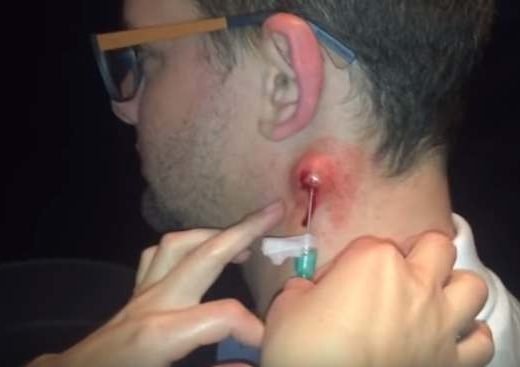
For those considering manual popping, it’s important to follow **sterile precautions**. Start by washing your hands thoroughly and cleaning the area around the cyst with rubbing alcohol. Using a sterilized needle or lancet, make a very small puncture at the top of the cyst. Gently press around the edges to help the fluid or pus drain out — but never force it. If nothing comes out easily, stop immediately to avoid pushing the infection deeper into the skin. After drainage, clean the area again and apply an antibiotic ointment to prevent infection. Cover it with a clean bandage and replace it daily until healed.
Despite these steps, dermatologists strongly recommend **professional cyst removal**. Doctors can drain or excise the cyst safely in a sterile environment, ensuring all the cyst wall is removed. This is important because if the cyst wall remains inside, it can refill and return. Medical removal also reduces the risk of scarring and recurrence.
Aftercare is also essential. Keep the area clean, avoid touching or pressing it, and use antibacterial cream if prescribed. In some cases, antibiotics may be given to control infection or swelling.
In conclusion, while popping a cyst might seem like a quick fix, it’s a procedure that requires **care and hygiene**. The safest method is to let a professional handle it. If done correctly, cyst drainage can bring relief and prevent complications — but done incorrectly, it can cause more harm than good. Always prioritize cleanliness, patience, and proper medical advice when dealing with any cyst.