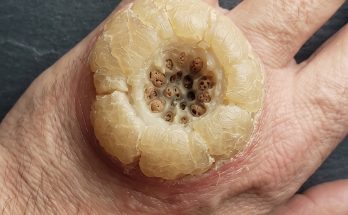
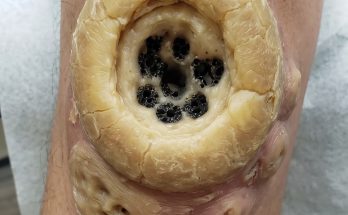
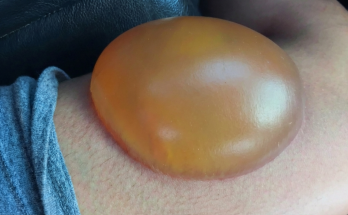
A chin abscess is a painful and uncomfortable condition that occurs when a bacterial infection develops beneath the skin, creating a pocket of pus. This usually starts as a small red bump but can quickly grow into a large, swollen lump filled with fluid. In severe cases, like a huge chin abscess, the swelling can cause significant pain, tenderness, and difficulty moving the mouth or jaw. Fortunately, when the abscess is properly drained, patients often experience instant relief from the pressure and discomfort.
The main cause of a chin abscess is bacterial infection, most commonly due to Staphylococcus aureus. This bacteria can enter the skin through small cuts, ingrown hairs, or blocked pores. Sometimes, an untreated pimple, cyst, or folliculitis (infection of the hair follicle) can turn into a deeper infection, forming an abscess. People who shave frequently, have oily skin, or suffer from acne are more prone to this condition. Poor hygiene or touching the face with dirty hands can also increase the risk of bacterial buildup.
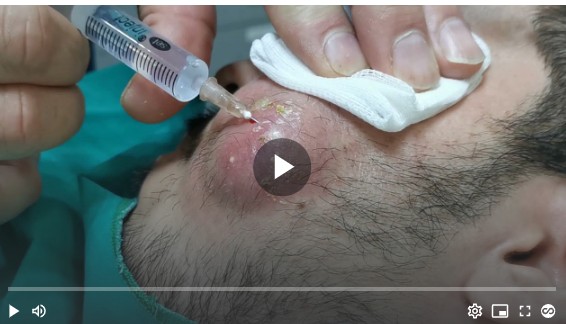
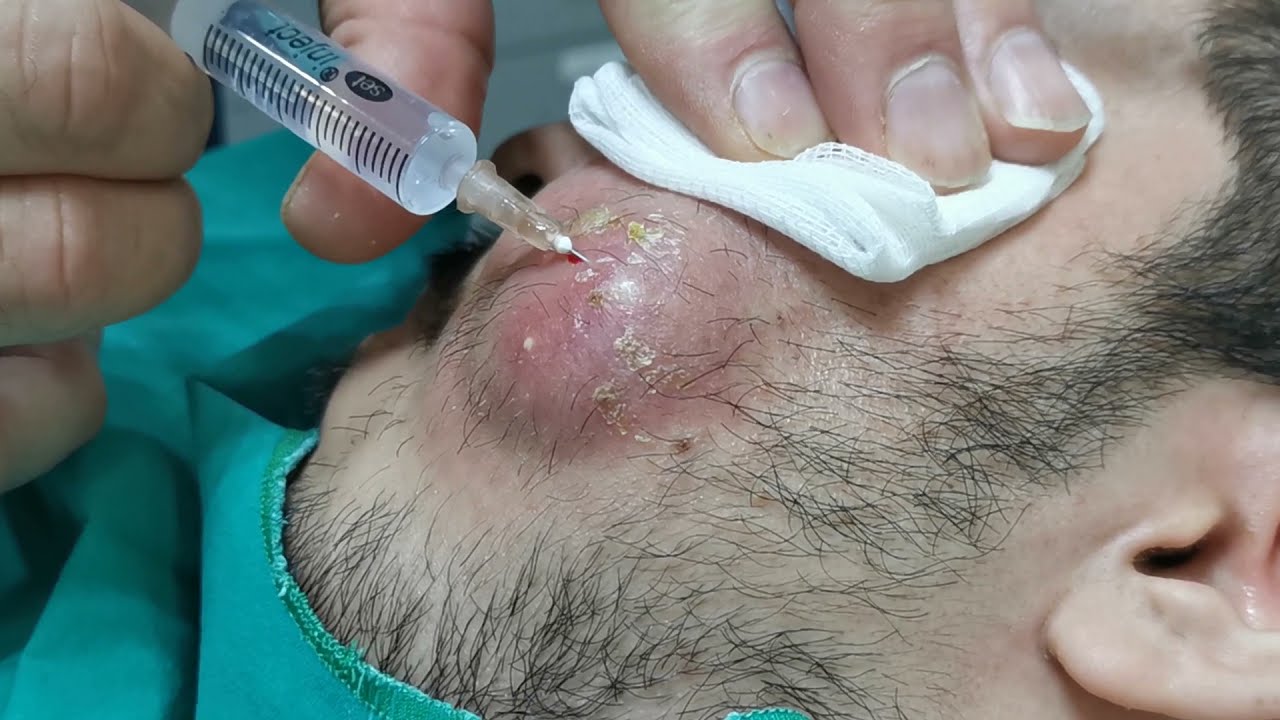
When a large abscess forms, it can be extremely painful. The skin becomes tight, red, and warm to the touch. As the pus builds up inside, it creates pressure under the skin, making it tender and swollen. Some people may also experience fever, fatigue, or swollen lymph nodes in the neck as the body fights the infection. At this stage, medical treatment is necessary because the abscess will not heal on its own.
The drainage procedure is the most effective treatment for a large chin abscess. During this process, a doctor first cleans the area and applies a local anesthetic to numb the skin. Then, a small incision is made to allow the pus to drain out completely. The doctor may use gentle pressure or a sterile instrument to ensure all the fluid is removed. After drainage, the cavity is cleaned and sometimes packed with gauze to help it heal from the inside out. In many cases, antibiotics are prescribed to prevent further infection.
Once the abscess is drained, patients often feel immediate relief. The throbbing pain and tight pressure disappear, and the swelling starts to go down within a few days. Keeping the area clean, applying warm compresses, and following the doctor’s instructions are important for fast recovery.
Preventing a chin abscess involves maintaining good facial hygiene, avoiding picking or squeezing pimples, and using clean razors when shaving. For those prone to skin infections, using antibacterial soap or cleansers can help reduce bacteria on the skin.
In conclusion, a huge chin abscess may look alarming and feel painful, but with proper medical care and drainage, recovery is quick and satisfying. The moment the pus is released, the relief is instant — turning a painful swelling into a healed, healthy chin once again.