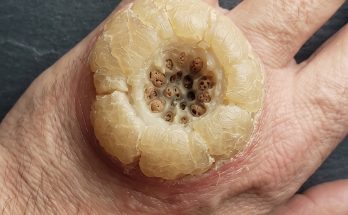
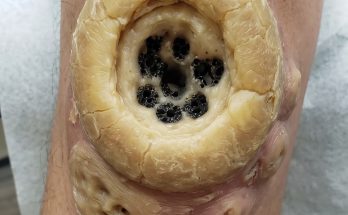
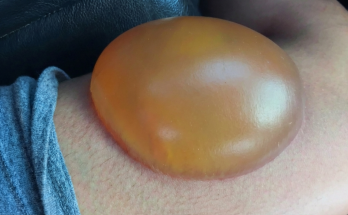
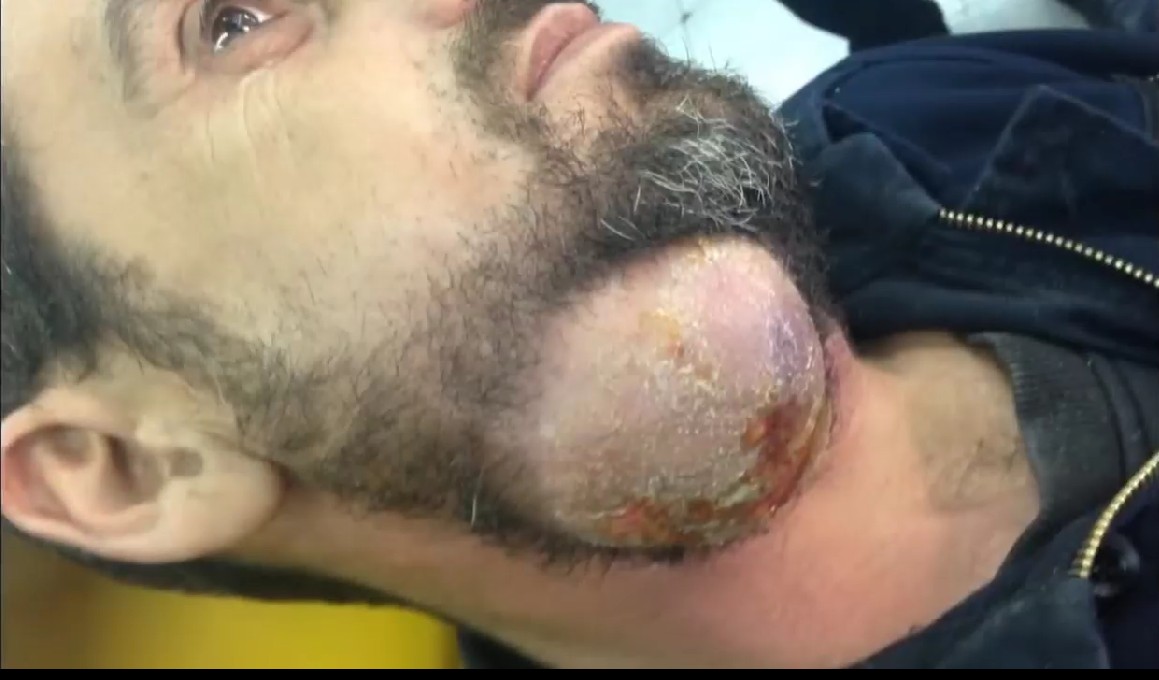
An ingrown hair cyst can be painful, swollen, and unsightly—especially when it grows to an unusually large size. When an ingrown hair on the chin becomes infected and turns into a cyst the size of a lemon, it can cause significant discomfort, redness, and pressure under the skin. In such cases, simple home remedies may not be enough, and medical drainage becomes necessary to remove the trapped pus and debris. This article explains what an ingrown hair cyst is, why it develops, and how it is safely drained and treated.
1. Understanding Ingrown Hair Cysts
An ingrown hair cyst forms when a hair curls back or grows sideways into the skin instead of outward. This can cause inflammation, irritation, and infection in the hair follicle. Over time, bacteria and dead skin cells accumulate, forming a large lump filled with pus. When left untreated, this cyst can expand and resemble a boil or abscess. On the chin, where hair growth is dense and frequent shaving or waxing occurs, ingrown hairs are common.
2. Causes of Large Ingrown Hair Cysts on the Chin
Several factors contribute to the formation of large cysts caused by ingrown hairs:
-
- Shaving or plucking: Improper shaving techniques, such as shaving too closely, can cause hairs to grow inward.
- Thick or curly hair: These hair types are more likely to curl back into the skin.
- Clogged pores: Dead skin and oil can block hair follicles, trapping the hair inside.
- Bacterial infection: Once bacteria enter the clogged follicle, inflammation and pus buildup occur.
- Delayed treatment: Ignoring a small bump or repeatedly squeezing it can worsen the infection and lead to cyst formation.
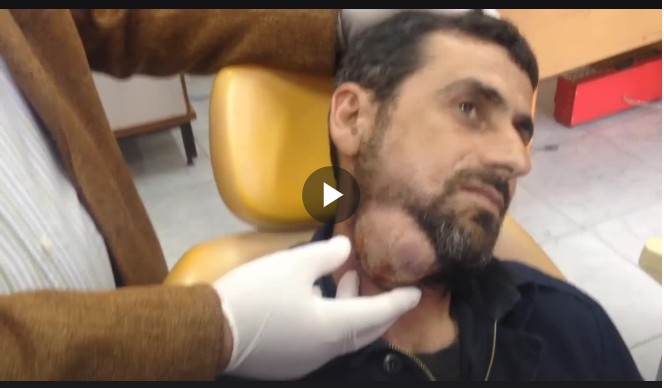
3. Symptoms and Signs
A lemon-sized ingrown hair cyst on the chin often appears as a large, red, and painful lump. The area may feel warm and tender, and pus may be visible beneath the surface. In severe cases, swelling can spread to nearby areas, making it difficult to move the jaw or even speak comfortably.
4. The Drainage Procedure
When a cyst grows to such a large size, medical drainage is the safest solution. The procedure is typically performed by a dermatologist or surgeon under sterile conditions. Here’s how it’s done:
- Cleaning and Numbing: The skin around the cyst is disinfected, and a local anesthetic is injected to numb the area.
- Incision and Drainage: A small incision is made over the cyst, allowing the trapped pus and fluid to drain out.
- Removing the Ingrown Hair: The doctor carefully removes the hair that caused the cyst to prevent recurrence.
- Flushing the Cavity: The area is rinsed with sterile saline to clear out any remaining infection or debris.
- Dressing and Aftercare: The wound is covered with a sterile bandage, and antibiotics may be prescribed to prevent reinfection.
5. Healing and Aftercare
After the drainage, proper care is essential for quick recovery. The patient should:
- Keep the wound clean and covered with a fresh dressing daily.
- Avoid touching or squeezing the healing area.
- Take prescribed antibiotics and pain medication as directed.
- Use warm compresses to improve circulation and healing.
- Avoid shaving the area until it is fully healed.
6. Prevention Tips
To prevent future ingrown hair cysts:
- Always shave in the direction of hair growth using a clean, sharp razor.
- Exfoliate regularly to remove dead skin cells.
- Keep facial skin clean and moisturized.
- Avoid picking or squeezing ingrown hairs.
Conclusion
A lemon-sized ingrown hair cyst on the chin is not only painful but also a sign of deep infection that requires professional treatment. The drainage procedure provides immediate relief and helps prevent scarring or further complications. With proper aftercare and good shaving habits, you can reduce the risk of developing ingrown hair cysts and maintain healthy, clear skin.