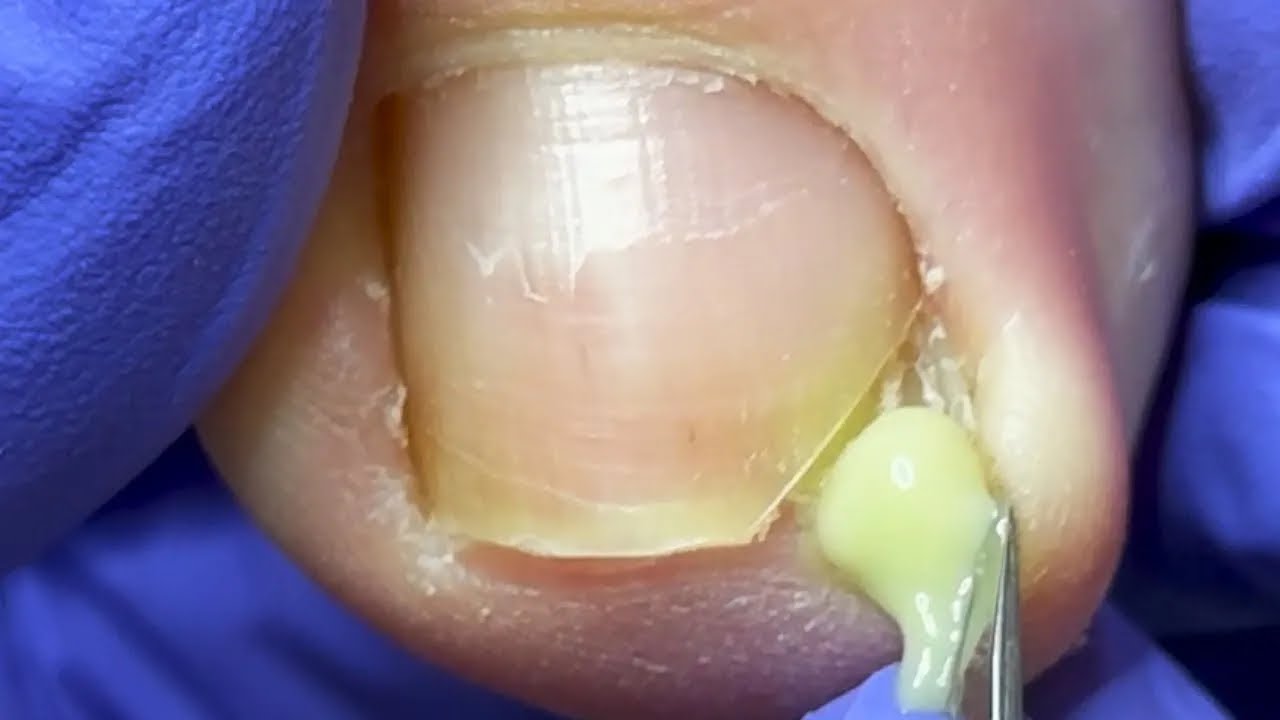
An ingrown toenail might start as a small inconvenience, but when infection develops, it can quickly become a serious and painful foot problem. In podiatry clinics, infected ingrown toenails are one of the most common reasons patients seek urgent care—especially when swelling, redness, and pus appear around the nail.
This blog explains what causes infected ingrown toenails, why they become so painful, how podiatrists treat them, and how you can prevent them in the future.
What Is an Infected Ingrown Toenail?
An ingrown toenail occurs when the edge or corner of a toenail grows into the surrounding skin instead of over it. When bacteria enter this broken skin, infection can develop. This condition is often referred to as paronychia when the skin around the nail becomes inflamed and filled with pus.

Common signs of infection include:
-
Redness and swelling around the nail
-
Throbbing or sharp pain
-
Warmth in the affected toe
-
Yellow or green pus drainage
-
Difficulty walking or wearing shoes
Once pus forms, the infection is no longer superficial and requires professional treatment.