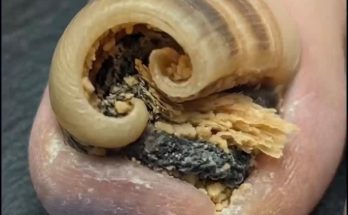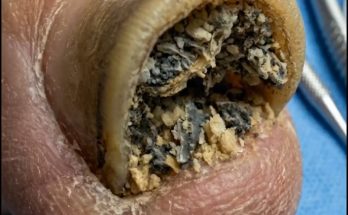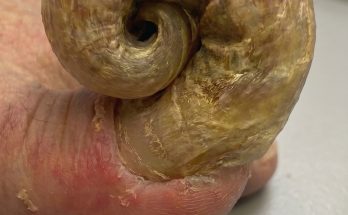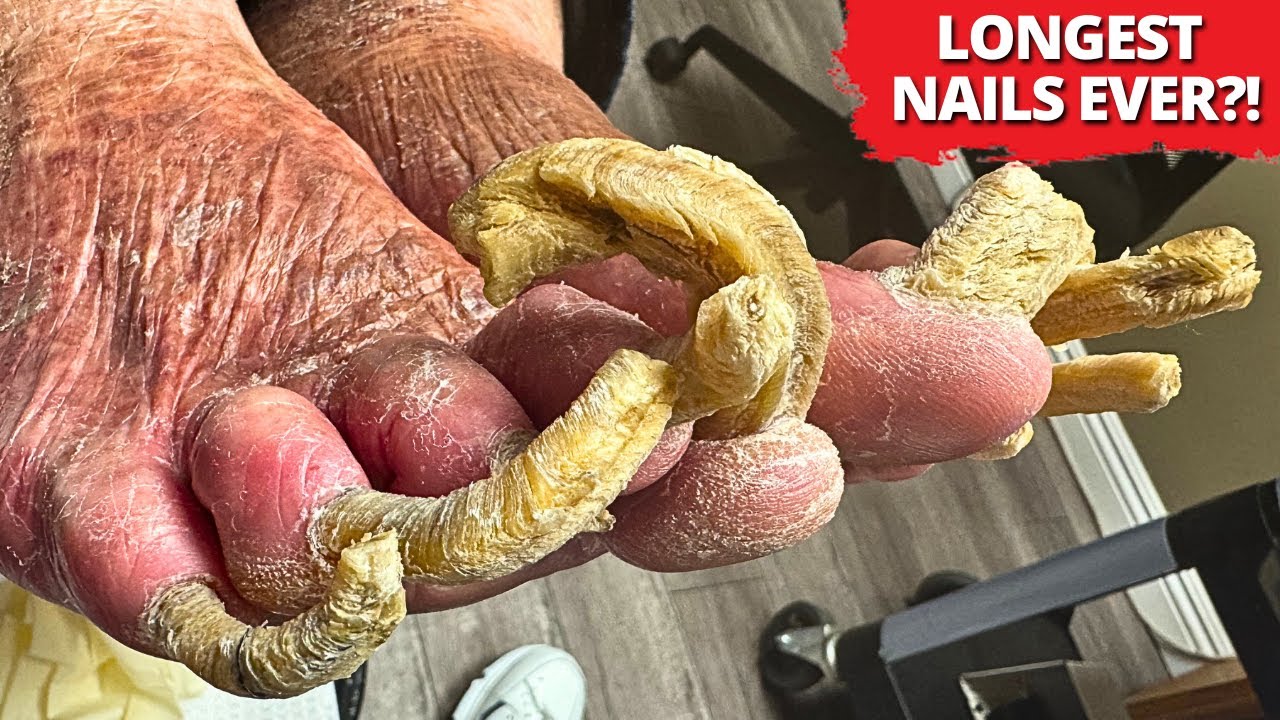
infected toenail, especially one that is oozing pus, is a serious condition that requires prompt attention. Many podiatry videos online demonstrate cases where an ingrown toenail becomes deeply infected, with yellow-green pus seeping from beneath the skin—an unmistakable sign of bacterial invasion.
What Causes Toenail Infections?
Toenail infections often begin with minor issues such as an ingrown nail, small cuts, or trauma to the toe. When the nail pierces the surrounding soft tissue, bacteria can enter and create an infection site. Warm, moist environments — like sweaty socks and closed shoes — make it easier for bacteria to thrive and multiply.
People with underlying health conditions, especially diabetes or poor circulation, are at higher risk of developing severe infections. In such patients, even a small blister or nail irritation can become dangerously infected if left untreated.

Recognizing the Symptoms
Early toenail infections may cause redness, mild swelling, or tenderness around the nail. As the infection worsens, symptoms become more pronounced:
-
Yellow or greenish pus discharge
-
Pain when pressure is applied
-
Swelling of the toe
-
Foul odor
-
Thickened, discolored nail
Pus formation is a critical sign that the body is trying to fight the infection, and it often means that the infection has advanced beyond a surface irritation.
Why Professional Treatment Matters
Attempting to squeeze the pus or treat the infection at home without proper tools can worsen the condition and spread bacteria deeper into the tissue. Medical professionals like podiatrists are trained to carefully drain abscesses, remove infected nail fragments if necessary, and clean the wound under sterile conditions. This approach reduces the risk of further complications and helps the tissue heal properly.
In addition, in persistent or severe cases, a doctor may prescribe antibiotics to eliminate bacterial infection and prevent it from spreading further into the bloodstream or bone.
Prevention and Aftercare Tips
Prevention is always better than cure when it comes to toenail infections. Follow these best practices:
-
Keep feet clean and dry
-
Trim toenails straight across, not too short
-
Avoid tight shoes that press into the nails
-
Change socks regularly
-
Inspect feet daily, especially if you have diabetes
If an infection has already occurred, follow aftercare instructions provided by your healthcare provider, including keeping the area clean, changing bandages as directed, and watching for any signs of worsening infection.
Final Thoughts
Infected toenails that ooze pus are not just uncomfortable—they are a medical issue that warrants attention. Prompt professional treatment and good foot hygiene can prevent serious complications and preserve the health of your feet.