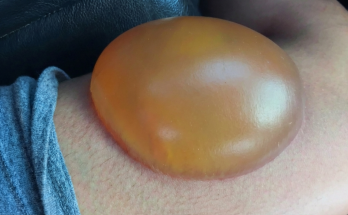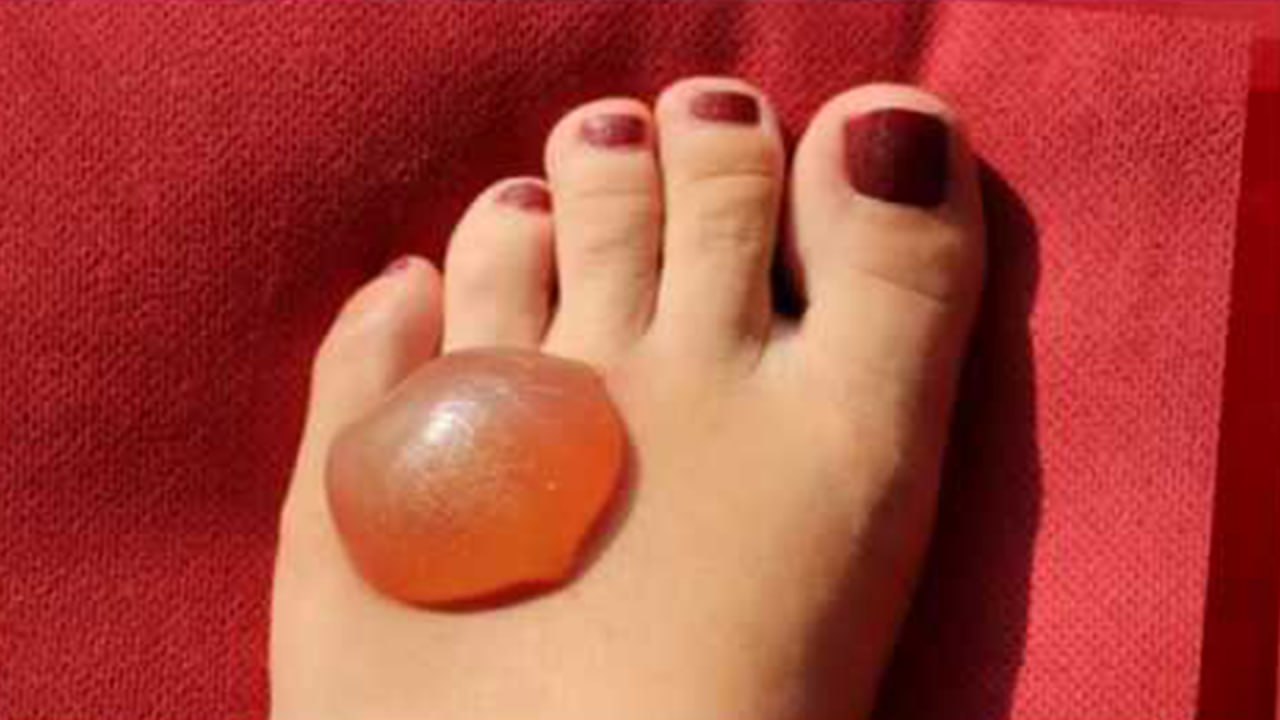
Blisters are a common skin reaction, but when a blister becomes unusually large—such as the one shown on the top of the foot in the image—it can be alarming and uncomfortable. These fluid-filled pockets develop when the outer layers of skin separate due to friction, heat, or irritation, and the body responds by filling the space with protective fluid. While small blisters often resolve on their own, larger ones require more careful attention to prevent infection and ensure proper healing.
A large blister on the foot can form for several reasons. One of the most common causes is excessive friction, often resulting from tight shoes, long periods of walking, or repetitive rubbing against footwear. When the skin is continuously irritated, the layers separate, creating a pocket that gradually fills with clear fluid. Another common cause is burns, including sunburn or contact with hot surfaces. In such cases, the blister forms as a protective layer to shield the deeper tissue beneath.
Other possible contributors include allergic reactions, skin infections, or underlying medical conditions that make the skin more fragile. Regardless of the cause, a blister of this size demands gentle handling. The rounded, tense appearance—similar to what is visible in the image—indicates a blister that is still intact, which is beneficial because the unbroken skin acts as a natural barrier against bacteria.
Proper blister care begins with keeping the area clean and protected. It is important not to intentionally pop the blister, as this increases the risk of infection. Instead, the surrounding skin should be washed with mild soap and water, and the blister can be covered with a clean, breathable bandage or blister pad. This helps cushion the area from friction and prevents accidental rupture.
If the blister is painful or located in a place where it may burst on its own, some people choose to drain it carefully—but this should be done with great caution or by a healthcare professional. Using sterile tools and maintaining clean conditions are critical if drainage is attempted. Even after the fluid is released, the overlying skin should be left in place to continue protecting the wound.
Preventing future blisters is equally important. Wearing properly fitted shoes, choosing moisture-wicking socks, and avoiding prolonged friction are key strategies. For individuals who walk long distances or engage in sports, using protective padding, foot powders, or anti-friction products can reduce irritation. Staying aware of early signs—such as redness or warmth in a particular spot—can help stop a blister from forming in the first place.
In some cases, unusually large or recurrent blisters may indicate an underlying condition that requires medical attention. If the blister shows signs of infection, such as redness, warmth, pus, or increasing pain, seeking professional care is essential. A healthcare provider can assess the cause, properly clean the area, and recommend appropriate treatment.
Ultimately, while a large blister can be uncomfortable and visually concerning, it often resolves well with proper care. Understanding what causes blisters and how to manage them safely helps ensure healthy skin and prevents complications that might arise from improper treatment.