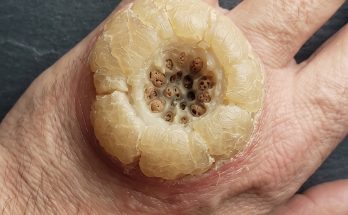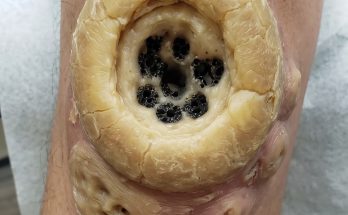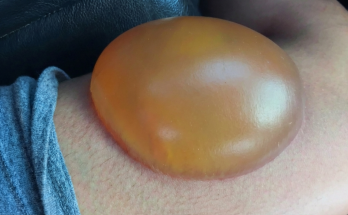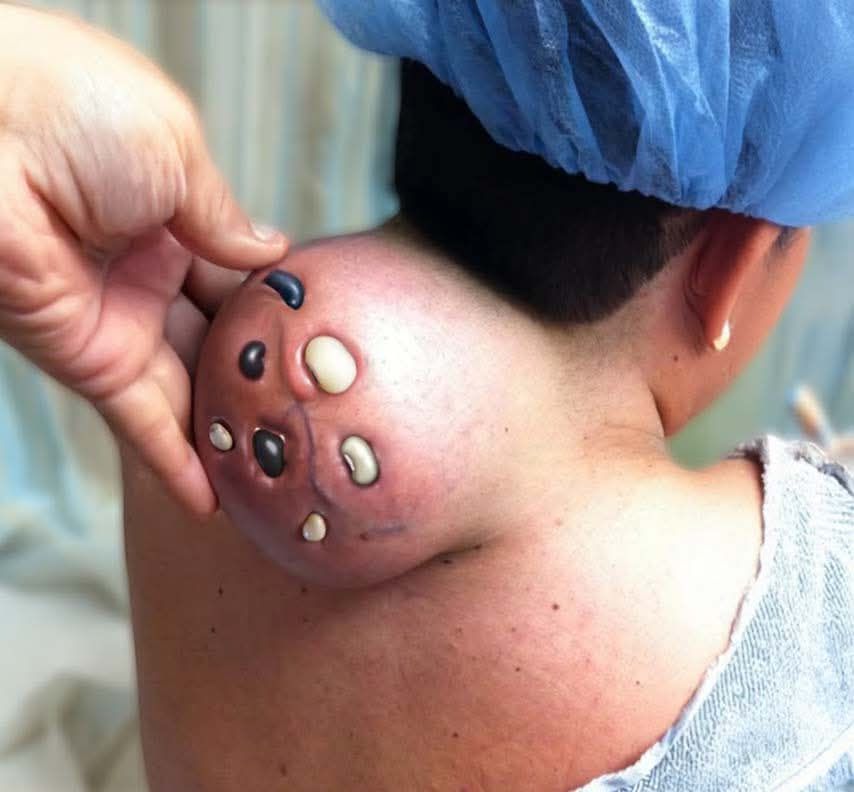
A cyst on the back of the neck is a common condition that many people experience at least once in their lifetime. Although it can be worrying to feel a lump behind the neck, most cysts are benign and not dangerous. However, understanding the causes, symptoms, and treatment options can help individuals manage the condition more confidently and seek proper care when needed.
A cyst is a small sac filled with fluid, pus, or semi-solid material. When a cyst forms on the back of the neck, it is often classified as an epidermoid cyst or sebaceous cyst. These types of cysts occur when skin cells or oil glands become blocked, causing a buildup under the skin. In some cases, cysts may develop after minor injuries, infections, or irritation of the hair follicles. While anyone can develop a cyst, people with oily skin, acne, or poor hygiene habits may be more prone to experiencing them.
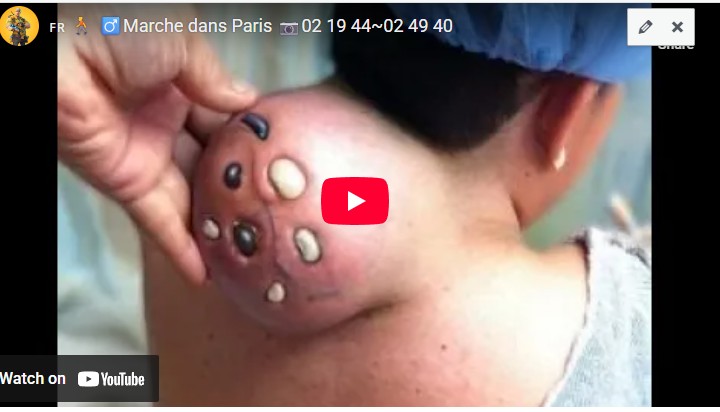
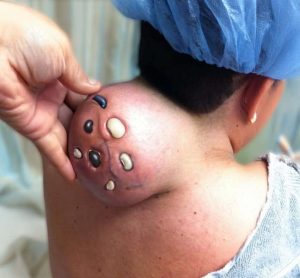
One of the first signs of a cyst on the back of the neck is a small, soft bump that slowly grows over time. The lump may feel smooth and move easily when touched. Most cysts do not cause pain unless they become infected or inflamed. When infection occurs, the area may become red, swollen, warm, and tender. In more severe cases, the cyst may fill with pus and develop an unpleasant smell. Some individuals may also notice that the cyst leaks fluid or bursts on its own, which can increase the risk of further infection if not cared for properly.
Diagnosing a cyst is usually simple. A healthcare provider often examines the lump based on its appearance, size, and texture. In rare cases, imaging tests or laboratory exams may be required to rule out other conditions, such as tumors or abscesses. Early diagnosis helps prevent complications and ensures that the patient receives the most appropriate treatment.
Treatment options depend on the size, location, and condition of the cyst. Small, painless cysts may not require immediate treatment and can be monitored over time. Warm compresses can help reduce swelling and promote drainage naturally. However, if a cyst becomes painful, infected, or cosmetically bothersome, medical intervention may be necessary. Doctors may use methods such as incision and drainage to remove the cyst’s contents, or complete surgical excision to prevent recurrence. Surgical removal is the most effective treatment because it eliminates the cyst wall, reducing the chance of it coming back.
Preventing cysts on the back of the neck involves maintaining good hygiene, avoiding harsh products that irritate the skin, and treating acne promptly. For individuals prone to cysts, regular cleansing and gentle exfoliation may help reduce buildup in the pores. Avoiding the urge to squeeze or pop cysts is also important, as doing so can worsen inflammation and lead to scarring or infection.
Although a cyst on the back of the neck is usually harmless, proper care and timely treatment can help prevent discomfort and complications. Anyone experiencing rapid growth, severe pain, or frequent cyst recurrence should seek medical advice to ensure their skin stays healthy and problem-free.