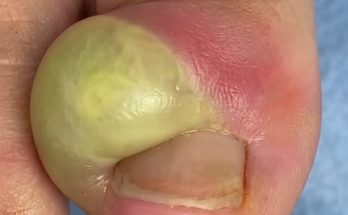
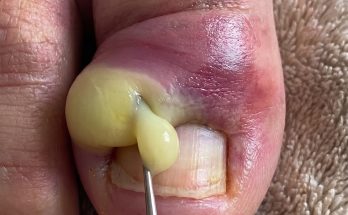
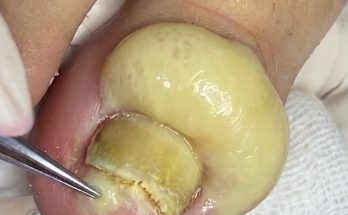
This close-up video documents the dramatic development of a large blister after liquid nitrogen treatment for a wart, showing how the treated skin changes during the days following cryotherapy. At the beginning, a thick, raised wart is visible on the skin shortly after freezing. The surrounding area appears red and irritated, while the central wart remains rough and textured.
Several hours after liquid nitrogen cryotherapy, the treated area begins to swell. This reaction becomes much more noticeable over time as a fluid-filled blister develops around the original wart. By the later stages shown in the video, the blister has become large, round, tense, and dark purple-red, with the rough wart tissue still visible near the center.
The time-lapse progression is one of the most interesting aspects of the video. Viewers can clearly compare the appearance shortly after freezing with the much larger blister seen several days later. The dramatic color and size change creates a strong visual transformation while also showing the skin’s response following wart freezing treatment.
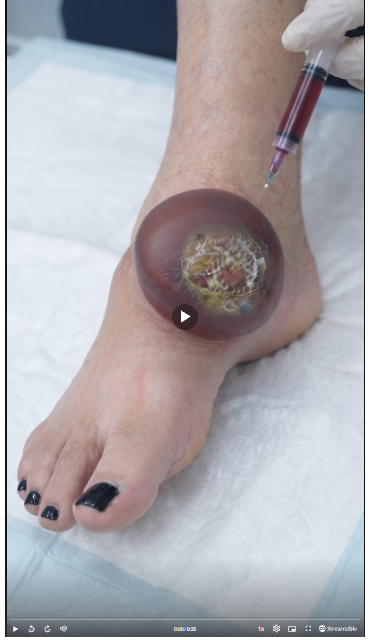
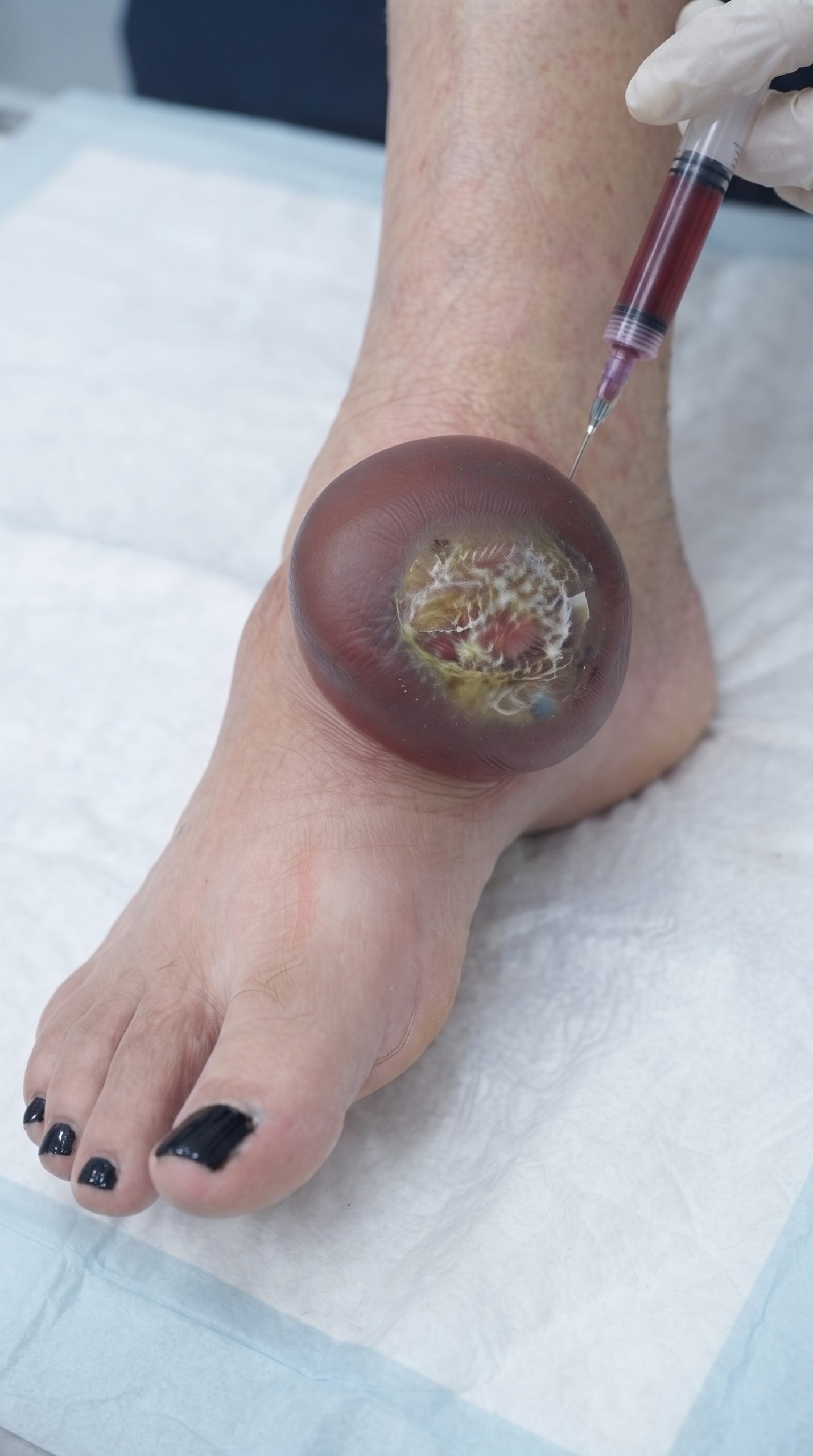
Later in the video, the swollen blister is examined and fluid is removed with a syringe. The surrounding area is cleaned before the procedure, and the close-up camera captures the process in detail. As fluid is withdrawn, the blister gradually begins to lose some of its tension and volume. This creates a noticeable visual difference compared with the fully swollen appearance earlier in the video.
For viewers searching for wart cryotherapy, liquid nitrogen wart treatment, blister after freezing a wart, wart removal healing, cryotherapy blister, skin wart treatment, and wart healing progress, this video provides a detailed look at what can happen after freezing treatment. These keywords naturally describe the content while keeping the article readable and useful.
Blistering can occur after liquid nitrogen cryotherapy because freezing intentionally damages the treated tissue. However, the size and appearance of a blister can vary considerably. Large, painful, increasingly red, warm, draining, or unusual-looking blisters should be assessed by a healthcare professional.
People should avoid puncturing, cutting, or draining a large post-cryotherapy blister at home unless specifically instructed by a qualified medical professional, because opening the skin may increase the risk of infection.
Overall, this video offers a striking wart cryotherapy healing transformation, showing the original wart, blister development over several days, and the later fluid-removal stage in a clear step-by-step visual sequence.