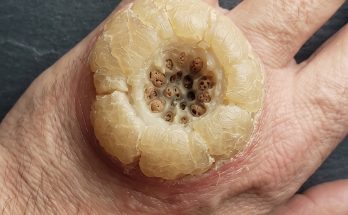
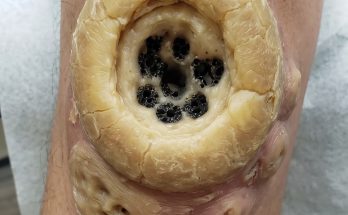
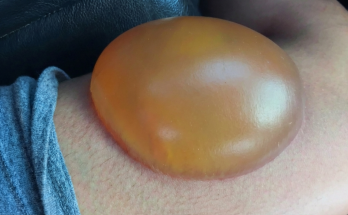
The image above shows a professional podiatry procedure where an infected ingrown toenail is being carefully treated. You can see the nail edge digging into the skin, causing redness, swelling, and possible infection. In many cases, thickening and discoloration may also indicate a fungal nail infection (onychomycosis).
An ingrown toenail occurs when the nail grows into the surrounding skin instead of over it. This condition can lead to:
-
Severe pain and tenderness
-
Swelling and redness
-
Pus or fluid discharge
-
Difficulty walking
-
Risk of deeper infection
If left untreated, the infection may worsen — especially for people with diabetes or weakened immune systems.
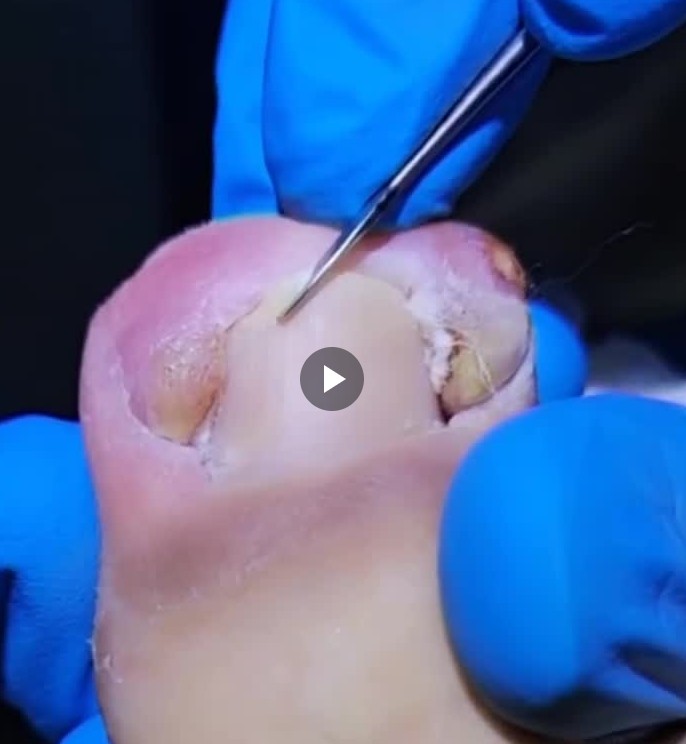
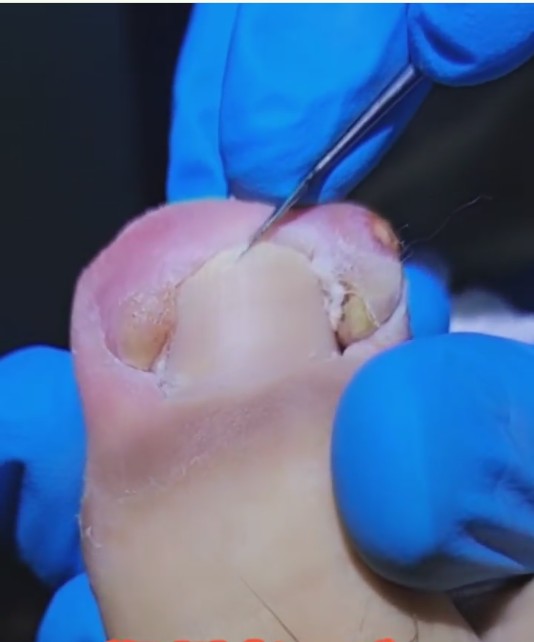
🎥 Why You Should Watch the Full Video
The full video demonstrates a safe and professional ingrown toenail removal procedure performed with sterile tools. By watching, you’ll learn:
✅ How specialists remove the embedded nail safely
✅ How infection is cleaned and treated
✅ Why you should never attempt this at home
✅ How proper care prevents recurrence
👉 Don’t miss the full video to see the complete treatment process and satisfying results!
🩺 How to Prevent Ingrown Toenails
-
Trim nails straight across (not too short)
-
Keep feet clean and dry
-
Avoid tight or narrow shoes
-
Treat fungal infections early
-
Visit a podiatrist if you notice pain or swelling
Early treatment can prevent serious complications and help you recover faster.