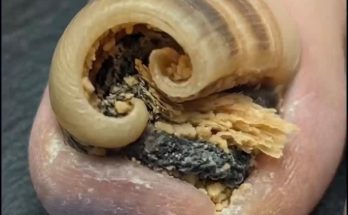
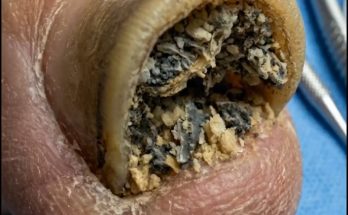
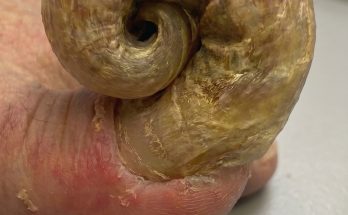
An infected ingrown toenail is a common but painful foot condition that can worsen quickly without proper care. It occurs when the edge of the toenail grows into the surrounding skin, creating irritation, swelling, and an opening for bacteria to enter. If untreated, the area may become infected, leading to pus, redness, and significant discomfort.
One of the main causes of ingrown toenails is improper nail trimming. Cutting nails too short or rounding the edges increases the risk of the nail growing into the skin. Tight footwear, repeated pressure on the toes, injury, and naturally curved nails also contribute to this condition. Once bacteria enter the damaged skin, infection develops, and pus may form as the body tries to fight it.
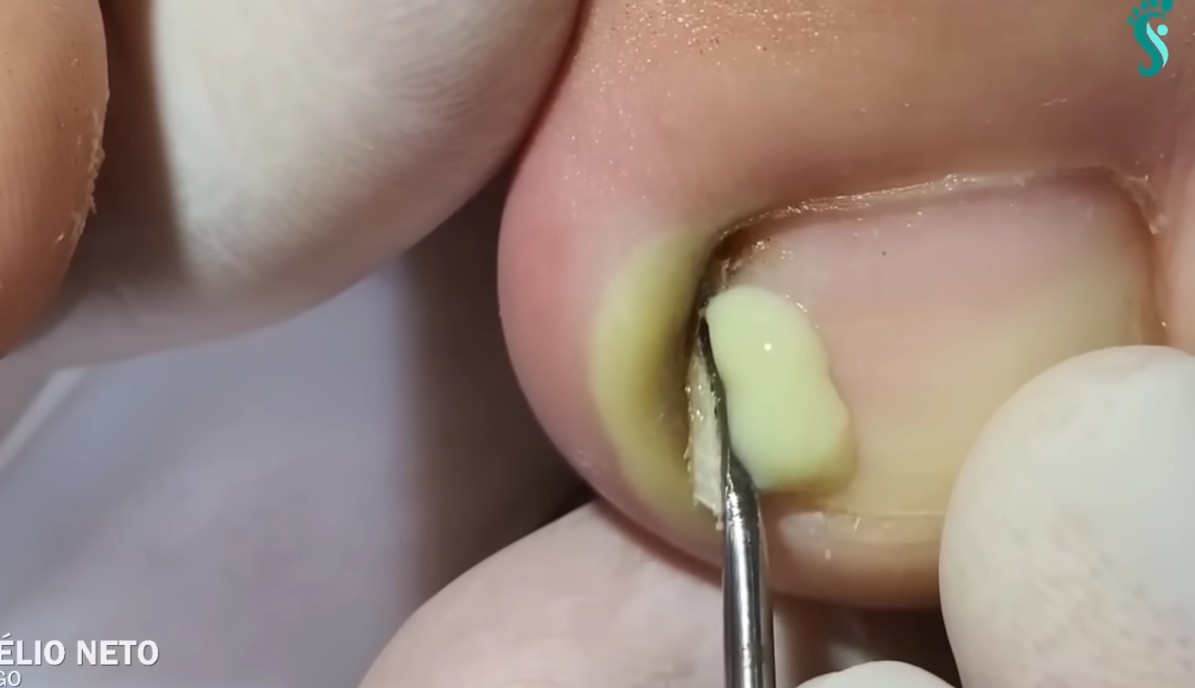
Professional ingrown toenail removal is the safest and most effective treatment, especially when infection is present. During the procedure, the affected toe is cleaned and treated using sterile instruments. The ingrown portion of the nail is carefully removed, and any trapped pus is drained. This relieves pressure, reduces pain, and allows the skin to heal properly. In more severe cases, a partial nail removal may be recommended to prevent recurrence.
After treatment, proper aftercare is essential. Keeping the toe clean, dry, and protected helps prevent reinfection. Depending on the severity, a healthcare provider may recommend topical or oral antibiotics. Healing time varies, but most patients experience significant relief within days.
Preventing ingrown toenails starts with good foot hygiene. Nails should always be cut straight across, not too short, and shoes should provide enough room for the toes. Early treatment of pain, redness, or swelling can prevent infection and avoid more serious complications.
If you notice persistent toe pain, pus, or swelling, seek professional care promptly. Early intervention ensures faster recovery, reduces infection risk, and helps maintain long-term foot health.