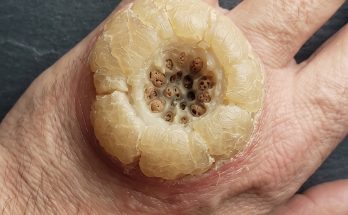
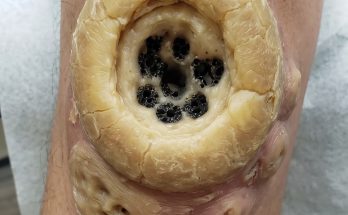
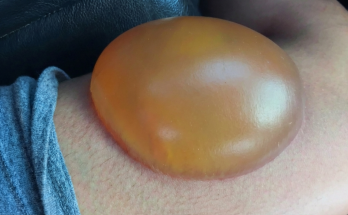
A blister on the hand is a small pocket of fluid that forms between the layers of skin, usually as a result of friction, burns, or irritation. Although blisters are common and often harmless, they can be painful, inconvenient, and sometimes interfere with daily activities. Understanding the causes, symptoms, and proper care of hand blisters can help prevent complications and promote faster healing.
Most blisters on the hands develop due to repeated friction. Activities such as lifting weights, using hand tools, or doing manual labor can cause the skin to rub continuously against a surface. Over time, this friction separates the upper layers of skin and allows fluid to collect underneath, creating a blister. Moisture and heat can increase the likelihood of developing blisters, as they soften the skin and make it more vulnerable to damage. In some cases, burns from hot objects, chemicals, or even sun exposure can also cause blister formation.
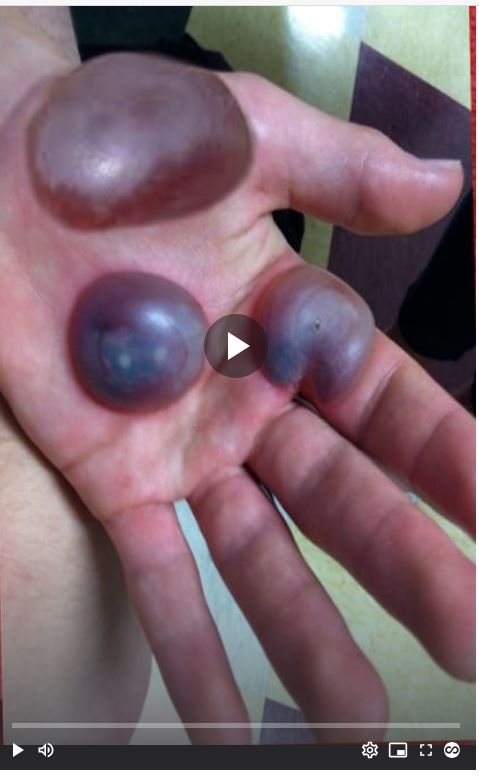
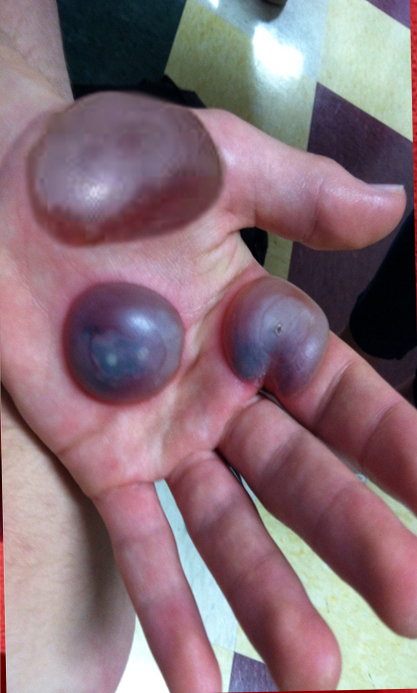
The symptoms of a blister are usually easy to identify. A raised bump filled with clear fluid—sometimes slightly cloudy or yellowish—will appear on the affected area. The blister may be tender to the touch, warm, or cause discomfort when pressure is applied. If the blister becomes infected, signs may include redness spreading around the blister, increased pain, swelling, or the presence of pus. Infected blisters require medical attention to avoid further complications.
Proper care is essential for healing a blister on the hand. In most cases, it is best not to intentionally pop or drain the blister, as the protective layer of skin helps prevent infection. Instead, the blister should be kept clean and dry. Covering it with a bandage or sterile dressing can protect it from further friction. If the blister is very large or painful, it may be drained carefully using a sterile needle, but this should be done with caution. After draining, the loose skin should not be removed, as it acts as a natural shield for the healing area.