An infected cyst on the mid-back is a common skin condition that can cause discomfort, swelling, and anxiety for many individuals. While most cysts begin as harmless, slow-growing lumps beneath the skin, they can sometimes become irritated or infected, leading to noticeable symptoms and the need for proper medical care. Understanding what causes an infected cyst, how it develops, and the right steps for treatment is important for ensuring safe and effective recovery.
A cyst on the mid-back is typically a sebaceous cyst or epidermoid cyst, formed when dead skin cells or oil from the sebaceous glands become trapped under the surface. On the back, where the skin is thicker and oil glands are more active, these cysts can grow unnoticed for months. They often feel like smooth, movable lumps. A cyst becomes infected when bacteria enter the blocked pore or the cyst wall becomes inflamed. This can happen due to friction from clothing, pressure while sleeping, or attempts to squeeze the cyst at home.
Once infected, the mid-back cyst may become red, warm, swollen, and tender to the touch. Some people notice rapid enlargement or increased discomfort when sitting or lying on their back. Although these symptoms can be alarming, they are treatable with timely medical attention. It is essential to avoid squeezing or popping the cyst, as this can worsen the infection, push bacteria deeper into the skin, or cause complications such as spreading the infection to surrounding tissues.
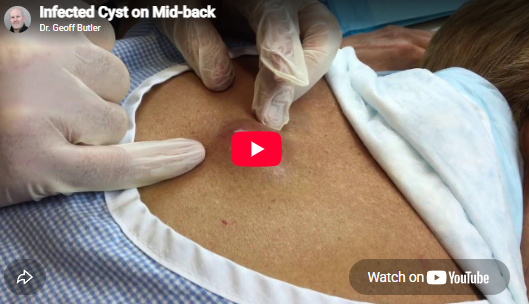
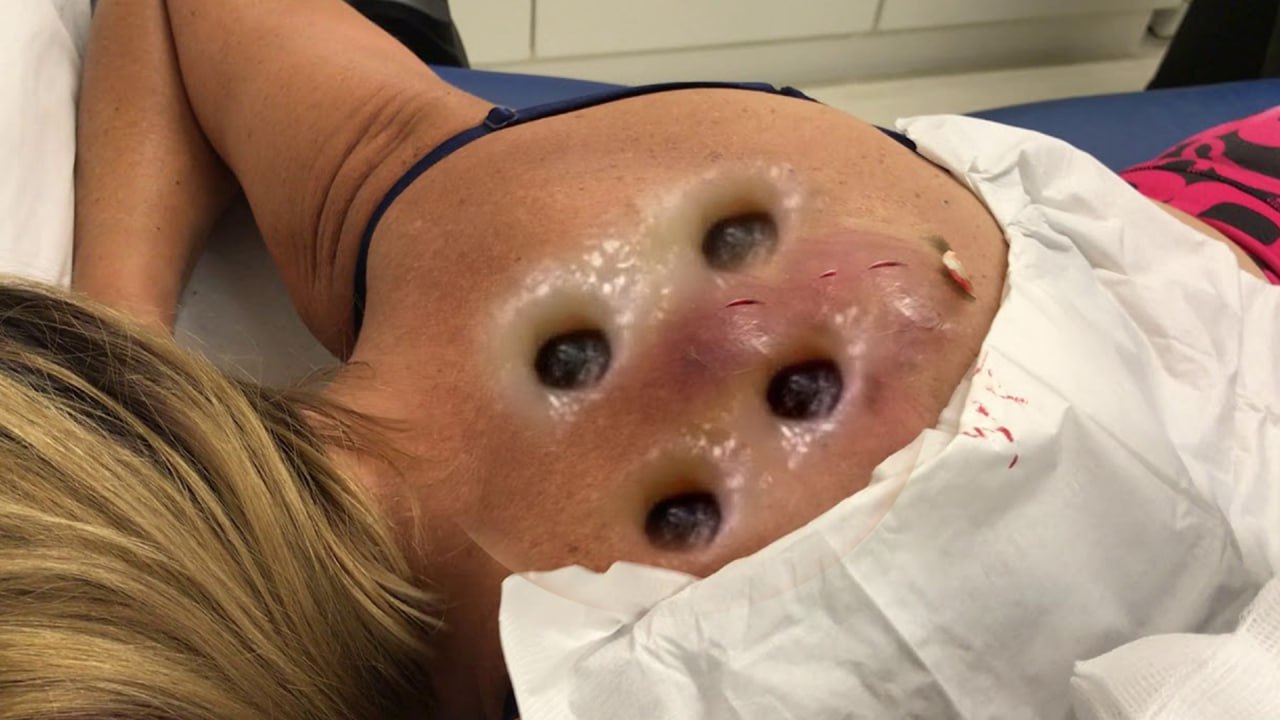
The safest approach to managing an infected mid-back cyst begins with professional evaluation. A healthcare provider will assess the size, severity, and condition of the cyst. In most cases, treatment involves reducing the infection before performing any procedure. Doctors may prescribe antibiotics to control the bacterial infection and reduce inflammation. Warm compresses might also be recommended to improve circulation and soothe discomfort.
If the cyst becomes too painful or does not improve with medication, a doctor may perform an incision and drainage procedure. This is a minor medical treatment where a small opening is made to allow infected fluid to drain out. This helps relieve pressure and promotes healing. The area is then cleaned and covered with a sterile dressing. Unlike home attempts, medical drainage is done under controlled, sterile conditions to minimize risks. It is common for doctors to schedule follow-up visits to ensure proper healing and to determine whether the cyst wall needs removal later to prevent recurrence.
Once the infection resolves, long-term treatment may involve complete cyst removal. This ensures that the cyst does not return, especially if it was large or recurring. Removal is typically done under local anesthesia and is a quick, safe procedure performed by a dermatologist or surgeon.
Proper aftercare is essential for healing. Keeping the area clean, avoiding pressure on the back, and following all medical instructions help prevent complications. Most people recover fully with minimal scarring.
In summary, an infected cyst on the mid-back can be uncomfortable, but it is manageable with timely and proper medical care. Understanding the symptoms, risks, and treatment options helps ensure safe recovery and prevents future issues.