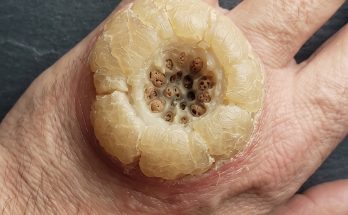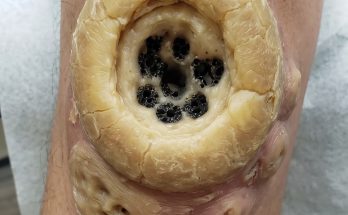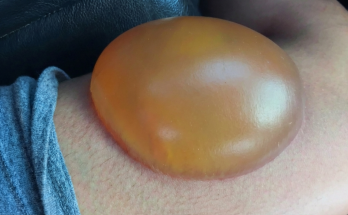
An infected ingrown toenail is a common foot condition that requires prompt professional care from a qualified podiatrist. When a toenail grows into the surrounding skin, it can cause pain, swelling, redness, and in advanced cases, pus and infection. The image illustrates a severe ingrown toenail infection affecting the big toe, where inflammation has progressed beyond simple discomfort and now requires medical treatment.
Ingrown toenails often develop due to improper nail trimming, tight or ill-fitting shoes, repetitive pressure, nail trauma, or genetic nail shape. Cosmetic nail enhancements such as gel polish or acrylic nails can sometimes conceal early signs of infection, delaying treatment until symptoms become more severe. Moisture trapped under artificial nails may also contribute to bacterial growth around the nail fold.
When infection is present, home remedies are no longer effective. Professional ingrown toenail treatment by a podiatry clinic is the safest and most reliable solution. A podiatrist will assess the severity of the infection and perform a sterile procedure to remove the ingrown portion of the nail. If pus is present, the area is carefully drained and cleaned to eliminate bacteria and relieve pressure, often providing immediate pain relief.

In some cases, partial nail removal or a permanent nail correction procedure may be recommended to prevent recurrence. Local anesthesia ensures patient comfort during treatment. If the infection is advanced, oral or topical antibiotics may be prescribed as part of the treatment plan.
Post-treatment care plays a crucial role in healing. Patients are advised to keep the toe clean and dry, avoid tight footwear, and follow all aftercare instructions provided by the podiatrist. Temporary removal of nail enhancements is often necessary to allow proper healing and to monitor recovery. Most patients can return to normal activities quickly with minimal downtime.
Early podiatric intervention prevents complications such as abscess formation, chronic nail deformities, or the spread of infection. Individuals with diabetes, poor circulation, or weakened immune systems should seek immediate podiatry care at the first sign of an ingrown toenail.
If you are experiencing toe pain, swelling, or drainage, scheduling an appointment with a professional podiatry clinic can restore comfort, prevent recurrence, and protect long-term foot health.